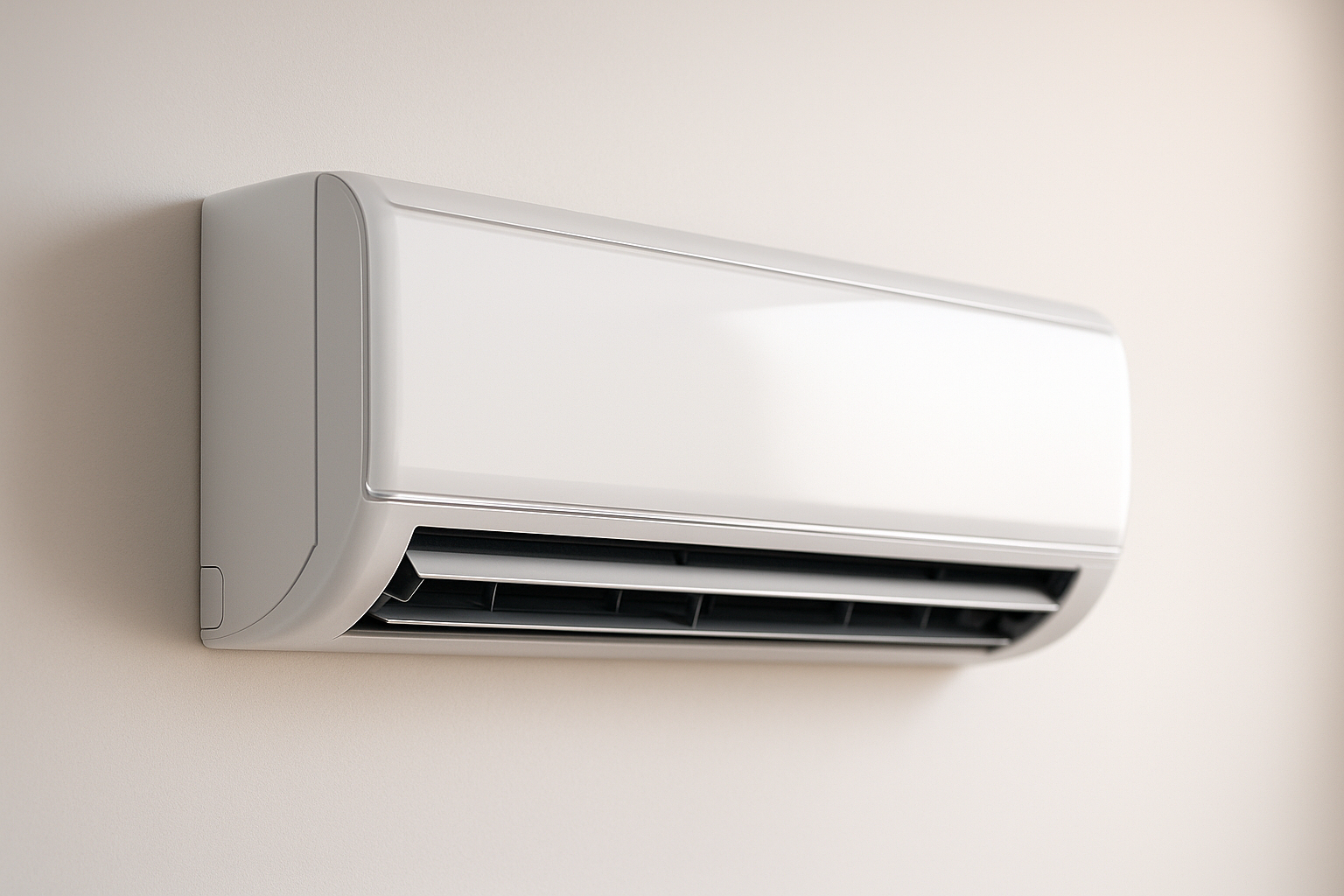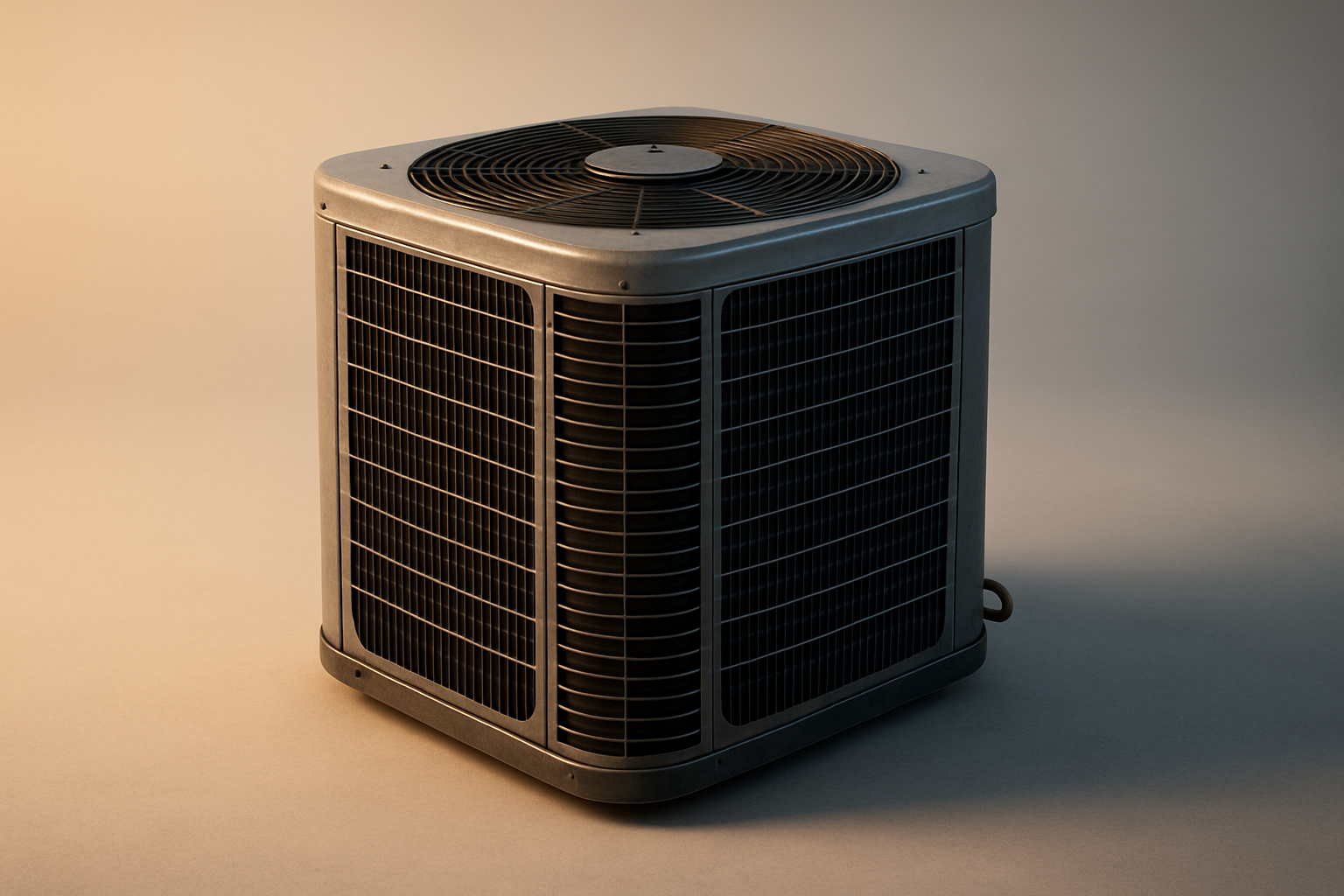
Are you wondering why central air conditioner price estimates can range from a few thousand dollars to well over ten thousand?
Understanding central air conditioner price variations
You’ll find that “central air conditioner price” isn’t a single number you can look up and expect to apply everywhere. Prices vary because many technical, regional, and personal factors influence the final cost, so reading a few paragraphs will help you understand the components that drive those differences.
Why a price quote for a central air system can look very different from one company to another
You’ll often get widely different estimates because contractors include different items, use different warranty structures, and make different assumptions about your home. Learning what each quote includes lets you compare apples to apples and prevents surprises after installation begins.
What a typical quote should include
A proper quote usually lists equipment cost, labor, permits, materials, and additional services like duct repair and disposal. If a quote lacks specific line items, you should ask for clarification so you know what you’ll actually pay.
What to check in the fine print
You should verify the warranty terms, payment schedule, and whether the price includes hauling away your old unit and state or local permitting fees. Also check for any conditional clauses, such as hidden charges for unforeseen issues like asbestos or extensive duct cleaning.
Unit size and capacity: why tonnage matters for price
You’ll pay more for larger capacity units because they contain more refrigerant, copper, and metal, and they are built to cool greater loads. Choosing the wrong size can increase both your initial expense and long-term operating costs.
How tonnage relates to home size
Tonnage is a measure of cooling capacity. For example, common rules of thumb correlate tonnage to square footage, but many other variables matter. Use this table as a starting point, then get a professional load calculation for accuracy.
| Tonnage (tons) | Typical square footage served (approx.) | Typical new-unit price range* |
|---|---|---|
| 1.5 | 600–900 sq ft | $1,500–$3,000 |
| 2.0 | 900–1,200 sq ft | $2,000–$3,500 |
| 2.5 | 1,200–1,500 sq ft | $2,500–$4,500 |
| 3.0 | 1,500–1,800 sq ft | $3,000–$5,500 |
| 4.0 | 2,000–2,400 sq ft | $4,000–$7,500 |
*Prices shown are for the outdoor condenser/indoor coil unit only and vary by brand, efficiency, and features.
Why you shouldn’t rely on square footage alone
You’ll need a Manual J load calculation to determine true required capacity because insulation, window exposure, ceiling height, occupancy, and local climate all change cooling needs. Oversized systems short-cycle, increasing wear and humidity problems, while undersized systems run continuously and struggle to maintain temperature.
Efficiency (SEER rating) and how it affects price and savings
You’ll pay more upfront for higher SEER (Seasonal Energy Efficiency Ratio) units, but those models often lower your monthly electric bills. Consider the trade-off between upfront cost and long-term savings when evaluating the “central air conditioner price” for your home.
SEER tiers and what they mean for your bill
Higher SEER yields better energy efficiency. This table approximates how SEER affects HVAC electricity consumption relative to a baseline.
| SEER | Relative energy use vs SEER 13 (approx.) | Typical price premium vs SEER 13 |
|---|---|---|
| 13–14 | Baseline | $0–$500 |
| 15–16 | 10–15% less energy | $500–$1,200 |
| 17–20 | 15–30% less energy | $1,200–$2,500 |
| 21+ | 30%+ less energy | $2,500+ |
You’ll want to calculate expected monthly savings based on your cooling usage and local electricity rates to see whether that premium pays off in a reasonable time.
How long it takes to recoup the extra cost
You can estimate simple payback by dividing the price premium by annual energy savings. If the payback period is less than the typical life of the system (usually 10–15 years), the higher-efficiency unit may be a smart investment for you.

Type of system: split system, packaged unit, or heat pump
The “central air conditioner price” changes depending on whether you choose a split system, a packaged unit, or a heat pump. Each has advantages and price differentials based on application, efficiency, and installation complexity.
Split systems (most common)
Split systems, with an outdoor condenser and an indoor evaporator coil, are common in homes with existing ductwork. You’ll generally find reasonable prices and many efficiency options.
Packaged units
If you lack space for an indoor coil, packaged rooftop or patio units combine compressor and coil in one housing. These often cost more because of specialized installation needs and sometimes less favorable efficiency options.
Heat pumps (cooling plus heating)
Heat pumps provide both cooling and heating, and in moderate climates they can replace separate heating equipment. You’ll often pay more upfront for a high-efficiency heat pump, but you may save on combined heating and cooling bills over time.
Brand, model, and warranty: how manufacturer choices affect price
You’ll notice brand premiums for well-known manufacturers, and features like variable-speed compressors or durable components can drive the price higher. Manufacturer warranties, extended warranties, and service agreements also change the overall cost.
Why some brands cost more
Brands invest in R&D, better components, and reputation, which can translate into higher prices. You should weigh whether the added reliability or longer warranty is worth the price difference for your circumstances.
Warranty types to compare
Check for compressor warranties, parts warranties, and labor coverage. You’ll want to know how long each element is covered and whether registering the equipment is required to obtain longer coverage.

Installation complexity and labor: the often large unknown
The “central air conditioner price” rarely includes only parts; labor costs can represent 30–50% of the installed price. Complexity factors such as system location, mounting, electrical upgrades, and coordination with other trades increase labor charges.
Common installation variables that add cost
You’ll face higher costs if your installation requires running new refrigerant lines, upgrading electrical service, modifying or installing ducts, or creating a reinforced pad or roof curb. Accessibility and the time required for the job also affect price.
Permits, inspections, and disposal
You’ll likely pay permit fees and may need inspections, depending on local codes, and contractors often charge to properly dispose of old refrigerant and equipment. Ask your contractor to list these items in the quote.
Ductwork condition and modifications: a major cost driver
If your ducts are old, leaky, poorly insulated, or improperly sized, you’ll spend additional money to repair or replace them to realize the full performance of a new central system. Ignoring duct problems can lead to poor comfort and inefficiency.
Scenarios and typical ductwork costs
You’ll encounter a wide range of duct-related expenditures based on scope:
| Duct issue | Typical work required | Typical cost range |
|---|---|---|
| Minor leaks/sealing | Mastic or tape, targeted sealing | $200–$800 |
| Insulation | Adding or replacing insulation on ducts | $300–$1,200 |
| Significant repair | Replacing sections, adding returns | $1,000–$3,000 |
| Full replacement | New ductwork layout and installation | $3,000–$10,000+ |
You should include a duct inspection as part of any quote to see whether additional ductwork will change the overall “central air conditioner price” dramatically.
Additional components and features that affect cost
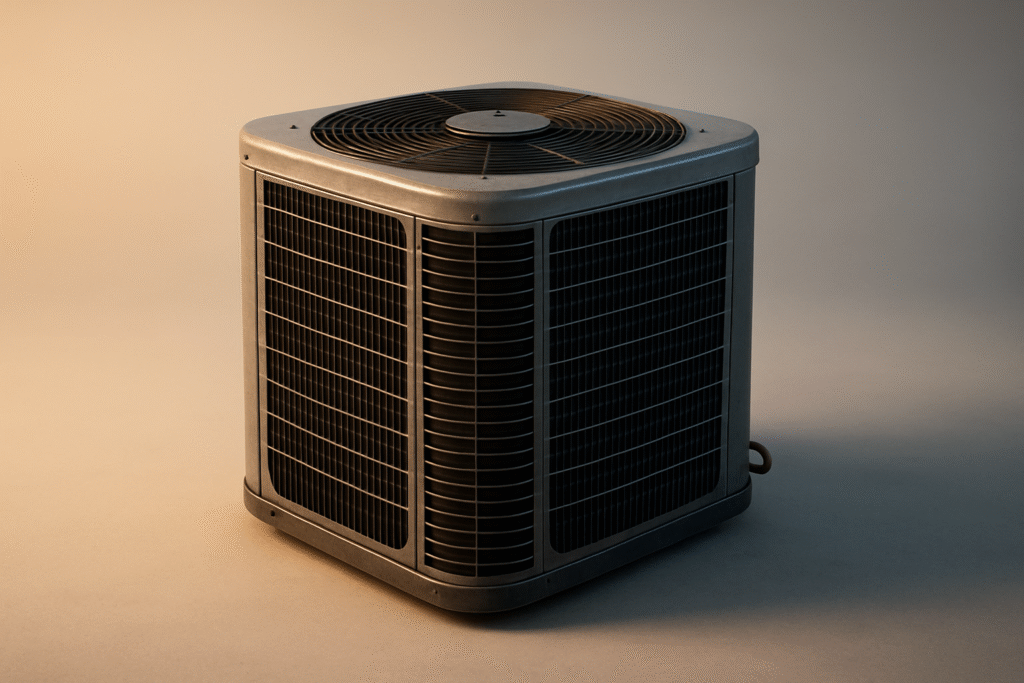
You’ll pay more for upgraded thermostats, zoning systems, UV lights, air cleaners, and humidity control. These features enhance comfort and indoor air quality but add to the upfront cost.
Smart thermostats and zoning
Smart or programmable thermostats often cost $100–$400 installed, while zoning systems that allow different rooms to be controlled independently can add $1,000–$5,000 depending on the number of zones and dampers required.
Indoor air quality equipment
Whole-house dehumidifiers, HEPA filtration, and UV germicidal lights improve health and comfort. Expect $500–$3,000 or more depending on the technology and whether duct modifications are needed.
Labor rates, contractor selection, and their impact on price
Labor rates vary by market and company reputation. Choosing the cheapest contractor isn’t always the best move because poor installation can void warranties and reduce system lifespan.
How to choose a reliable contractor
You’ll want to hire licensed, insured, and bonded contractors with good references and clear, itemized quotes. Ask about the training of technicians, manufacturer certifications, and whether the company provides performance testing after installation.
Red flags to watch for
Beware of unusually low quotes that lack detail, require large upfront deposits, or pressure you to sign quickly. You should get multiple quotes and verify contractor references before making a decision.
Geographic factors, seasonality, and supply chain influences
You’ll pay different prices depending on your region due to climate, labor markets, and local codes. Seasonal demand spikes, like in the hottest months, and supply-chain constraints can also increase the “central air conditioner price”.
Regional trends to consider
Homes in hotter climates often require larger systems, and HVAC contractors in those areas may be busier, pushing up labor costs. You may find lower prices in shoulder seasons when demand is slower.
Material availability and shipping
If a preferred model is backordered or needs special shipping, you’ll face delays and possibly higher costs. You should ask about lead times and whether substitutions are allowed if parts are delayed.
Rebates, incentives, and regulations that lower the effective price
You’ll often find local rebates, state incentives, or federal tax credits that reduce the effective purchase price of high-efficiency systems. Investigate available programs to lower your out-of-pocket cost.
Common incentive sources
Utilities frequently offer rebates for higher-SEER equipment, and governments sometimes provide tax credits or grant programs for energy-efficient upgrades. This table summarizes typical incentive types.
| Incentive type | Who offers it | Typical value |
|---|---|---|
| Utility rebate | Local electric/gas utility | $100–$1,500+ |
| State incentive | State energy office | $100–$2,000+ |
| Federal tax credit | Federal government | Varies; occasional credits for efficiency |
| Manufacturer promotion | OEM | Discount or extended warranty |
You’ll want to stack incentives where allowed and confirm eligibility requirements and application deadlines.
Warranty and maintenance plans: long-term cost considerations
You’ll likely pay more for plans that include extended warranties, preventive maintenance, and priority service. Those optional plans can reduce the risk of expensive repairs and prolong equipment life.
How maintenance affects total cost
Routine maintenance keeps efficiency high and can prevent costly breakdowns that otherwise reduce return on investment. Consider budgeting for annual tune-ups that include refrigerant checks, coil cleaning, and airflow verification.
Comparing extended warranties
Extended warranties vary in coverage and exclusions. You should read terms carefully to see whether labor and parts are fully covered and whether regular maintenance is required for the warranty to remain valid.
Financing options and how they change the effective price
You’ll find financing through contractors, manufacturers, or your bank that spreads payments over time. Financing changes the monthly cost and can make higher-efficiency systems affordable, but interest adds to the total paid.
Types of financing to consider
Options include low-interest loans, zero-interest promotional periods, home equity lines of credit, and energy-efficiency financing programs. You should compare the total cost with interest versus cash purchase plus any immediate discounts.
How financing affects decision-making
A financed purchase alters the payback calculation because you must include interest paid when comparing long-term savings from energy-efficient equipment. You should evaluate whether monthly savings exceed the financed payment to maintain positive cash flow.
How to get accurate central air conditioner price estimates
You’ll want multiple, detailed quotes that list equipment and all expected labor and materials. Proper comparison requires consistent scope and clear statements about responsibilities.
Steps to collect better quotes
Request a Manual J load calculation, ask contractors to list included components, and require final pricing to include permits and disposal. You should also confirm whether the quote covers both indoor and outdoor units and any required electrical upgrades.
Questions to ask every contractor
Ask about experience with your brand, warranty handling, how they test system performance after installation, and what happens if they discover additional issues. You should also ask whether they will seal ducts and verify airflow.
Sample cost breakdown: what a typical installed price covers
You’ll find that installed prices include many line items which can vary by region and home conditions. This table presents an illustrative example for a mid-sized home in a moderate-cost market.
| Item | Typical cost range |
|---|---|
| Outdoor condenser & indoor coil (mid-range, 3-ton, SEER 16) | $3,500–$5,500 |
| Thermostat (smart) | $150–$350 |
| Labor (installation) | $1,500–$3,000 |
| Duct sealing/repair (minor) | $300–$1,000 |
| Permits/inspections | $50–$400 |
| Disposal of old system | $100–$300 |
| Additional electrical work (panel/drive) | $500–$1,500 |
| Total installed typical range | $6,100–$12,050 |
You should use this breakdown as a planning guide, not a guarantee, because your actual costs may differ.
Ways to reduce your upfront and lifetime costs
You’ll save money by selecting the right size, improving insulation, taking advantage of rebates, buying off season, and negotiating with contractors. Some investments, like better insulation or a programmable thermostat, lower both initial and operating costs.
Practical cost-saving steps
Seal and insulate ducts, add attic insulation, reduce heat gain with window treatments, and install a programmable thermostat. You should also compare quotes during off-peak seasons and be willing to negotiate on labor or ask for bundled discounts if you add other services.
When spending more makes sense
You’ll benefit from paying more upfront if a higher-efficiency system reduces utility bills enough to produce a reasonable payback or if you need a longer lifespan to avoid premature replacement. Consider higher SEER or variable-speed compressors when you expect to stay in the home many years.
Common myths about central air conditioner pricing
You’ll hear misconceptions that can mislead you. This section clarifies facts so you make more informed decisions.
Myth: The largest unit you can buy is always better
A larger unit can short-cycle, cause humidity problems, and reduce comfort. You should choose correct capacity based on load calculations, not the biggest model available.
Myth: All installers are interchangeable
Installer skill matters significantly. Poor installation reduces efficiency and shortens system life. You should prioritize qualified, certified technicians even if it costs a bit more.
Myth: Higher SEER always pays back quickly
While higher SEER reduces energy use, payback depends on usage patterns, local electricity rates, and upfront premium. You should calculate expected savings rather than assuming a guarantee.
Decision framework: how to choose the right option for your situation
You’ll make a better choice if you balance upfront affordability, long-term operating cost, comfort requirements, and home resale value. Use a structured approach to weigh alternatives.
Step-by-step selection process
- Get a Manual J load calculation to determine correct size.
- Decide acceptable payback period for efficiency upgrades.
- Collect multiple itemized quotes from reputable contractors.
- Compare total installed prices, warranties, and scope.
- Factor in rebates and financing options.
- Choose the option that best balances cost, comfort, and risk.
You should document quotes and terms to ensure you know what the contractor will deliver.
When to repair versus when to replace
You’ll often face the decision whether to fix a system or replace it. Age, refrigerant type, repair cost relative to replacement cost, and frequency of breakdowns help guide your choice.
Simple rules of thumb
If the repair is more than half the cost of replacement, replacement is usually the better choice. Also consider replacement if your system is over 10–15 years old or uses phased-out refrigerants like R-22.
Factors that push toward replacement
You’ll prefer replacement when efficiency has significantly improved in newer units, when the system fails frequently, or when repairs require illegal or costly refrigerant conversions. Replacing can reduce energy bills and avoid repeated repair bills.
Final considerations before signing a contract
You’ll protect your investment by confirming start and completion dates, payment schedule, what happens if hidden issues are found, and how warranty claims are handled. Clear documentation reduces the chance of disputes and last-minute price increases.
Checklist to finalize the deal
- Confirm the exact model numbers and efficiency ratings in the contract.
- Ensure all permits and inspections are listed as included or identify who pays.
- Get a written statement about how access, clean-up, and old equipment disposal will be handled.
- Verify warranty terms and registration responsibilities.
- Check for manufacturer installation requirements to keep the warranty valid.
You should keep a copy of all contract documents and warranty registrations for future reference.
Conclusion and next steps
You’ll find that “central air conditioner price” is a composite of equipment cost, labor, efficiency, duct condition, local factors, and optional features. Understanding each of these elements helps you evaluate quotes, choose the best value for your needs, and avoid surprises during installation.
If you want to move forward, gather at least three detailed quotes, request a Manual J load calculation, and check for available rebates. With the right information, you’ll make a decision that fits your budget and keeps your home comfortable for years.