

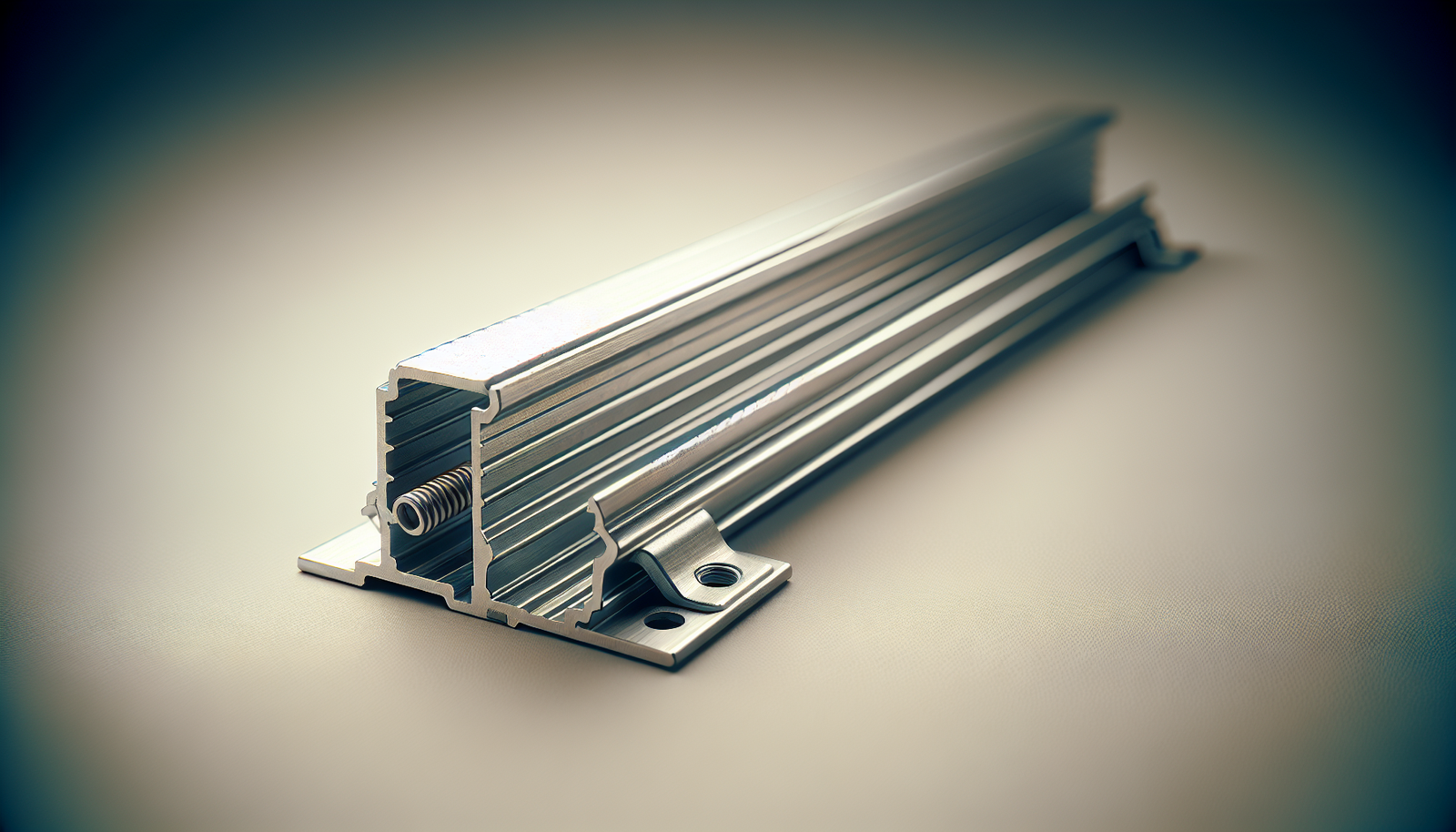
Have you ever wanted a simple, strong, and adjustable way to support storage, piping, or lighting in your home?
Unistrut Solutions for Home Projects
Unistrut is a versatile metal framing system you can use to build racks, supports, and mounts for a wide range of home projects. In this article you’ll learn what Unistrut is, how to choose the right components, how to install and fasten it to different substrates, and practical project ideas that you can adapt to your needs.
What is Unistrut and why you might use it
Unistrut (also called strut channel, slotted channel, or DIN rail in other contexts) is a standardized metal channel with a continuous slot system that accepts nuts, bolts, and specialized fittings. You can configure it as shelving standards, ceiling hangers, pipe supports, or framing for custom racks.
You’ll choose Unistrut when you want a modular, easily adjustable support system that’s stronger and more professional-looking than ad hoc wood or straps. It lets you adjust spacing and positions without drilling new holes, and it’s reusable if you reconfigure your setup.
Common Unistrut materials and finishes
There are several material and finish options, and each affects corrosion resistance, price, and aesthetics. You’ll want to match the material to the environment and load needs.
| Material / Finish | Typical Use Cases | Pros | Cons |
|---|---|---|---|
| Pre-galvanized steel | General indoor use (garage, basement, attic) | Affordable, decent corrosion resistance | Surface may wear; not for highly corrosive environments |
| Hot-dipped galvanized | Outdoor, moist areas, technical installations | Superior corrosion resistance | Heavier, more expensive |
| Stainless steel (304, 316) | Coastal, high-moisture, chemical exposure | Excellent corrosion resistance, long life | High cost |
| Painted/ powder-coated | Aesthetics, moderate protection | Good appearance, variety of colors | Coating can chip, less corrosion protection than galvanized |
| Aluminum | Lightweight needs, some outdoor uses | Light, resists rust | Lower strength than steel, can be more expensive |
You’ll often find pre-galvanized or hot-dipped options at big-box stores. Stainless is preferred if you’re near salt air, and aluminum is chosen when weight is a primary concern.
Standard Unistrut sizes and profiles
Unistrut channels come in different depths and slot configurations. Choosing the right profile affects load capacity and compatibility with fittings.
| Common Channel Size | Inside Width (approx.) | Typical Thickness | Typical Use |
|---|---|---|---|
| 1-5/8″ x 1-5/8″ (41 mm) | ~1-5/8″ | .080″ to .120″ | Standard residential/commercial work |
| 1-5/8″ x 7/8″ | Narrow profile | .080″ to .120″ | Tight spaces, lighter loads |
| 2-1/2″ channels | Wider | .120″ | Higher load applications |
| 1-1/2″ metric | Metric markets | Variable | Compatibility with metric fittings |
Manufacturers may use slightly different dimensions and brand names; you’ll want components that match the channel you buy. Always check compatibility between channel and fittings.
Basic Unistrut components and fittings
Unistrut systems become useful because of the many fittings you can use to join, mount, and support. Understanding the main pieces will help you plan.
| Component | Purpose | Notes |
|---|---|---|
| Channel (strut) | Main structural member | Choose length and finish |
| Spring nuts (channel nuts) | Slide into channel to accept bolts | Many types: standard, serrated, T-nuts |
| Bolts and carriage bolts | Fasten fittings and hardware | Use matching thread type |
| End caps | Protect edges and improve appearance | Optional |
| Angle brackets | Connect channel pieces at angles | Many sizes available |
| Pipe clamps | Support pipe and conduit | Cushioned options reduce vibration |
| Beam clamps | Attach channel to structural beams | Useful in garages/attics |
| Threaded rod & hanger fittings | Create hangers from ceilings | Use appropriate load-rated rod |
| Joining plates / splice plates | Connect two channels inline | Often used for long runs |
| Channel-to-wall brackets | Fix channel to vertical surfaces | Useful for shelving standards |
You’ll find specialty fittings for electrical, HVAC, solar, and plumbing work. Using the correct fitting saves time and increases reliability.
Where to buy Unistrut (including Home Depot)
You can buy Unistrut from specialty suppliers, electrical distributors, plumbing suppliers, and large retail stores. If you’re wondering about availability at common retailers: many Home Depot stores and the Home Depot website stock strut channel, nuts, bolts, and popular fittings — search for “unistrut Home Depot” or “strut channel.” Home Depot is a practical starting point for standard lengths and parts, but for large projects or specialized finishes (like 316 stainless) you may need a specialty supplier or online distributor.
You’ll often find better variety and bulk pricing from electrical or mechanical suppliers. If you need engineered load data, the manufacturer’s documentation is usually available from specialty vendors.
Choosing the right channel and fittings for your project
To select components effectively, consider these factors: load, environment, adjustability, aesthetics, and budget. Think through the loads you’ll carry, whether components will be outdoors or in a damp space, how often you’ll reconfigure the setup, and whether appearance matters.
Start by listing the items you plan to support and estimate the total weight including dynamic loads (items moved around). Choose a channel size and material that can safely carry that weight. For any load-bearing system that affects safety (ceiling hung racks, heavy shelving), verify with the manufacturer’s load tables or consult an engineer.
Fasteners and anchoring to common substrates
How you attach Unistrut to wood, concrete, metal, or drywall matters a lot for safety and longevity. Use the proper fasteners and techniques for each substrate.
| Substrate | Recommended Fasteners | Notes |
|---|---|---|
| Concrete | Tapcon masonry screws, anchor bolts (wedge anchors, sleeve anchors, epoxy anchors) | Use proper drill bits and depth; for heavy loads use mechanical anchors |
| Solid brick | Sleeve anchors or epoxy anchors | Avoid just screwing into mortar |
| Cinder block | Use through-bolts into grout-filled cores or epoxy anchors | Hollow cores reduce capacity unless filled |
| Wood studs | Lag screws or carriage bolts into studs | Ensure you hit studs — use a stud finder |
| Metal studs | Self-tapping metal screws with backing plate or use toggle fasteners | Metal studs have limited load; use backing or continuous plate |
| Drywall | Avoid relying on drywall anchors for heavy loads | Use studs or ceiling joists; use toggles only for light loads |
You’ll need to match anchor size and length to the load. For ceiling-mounted hangers, use at least two anchors spaced to reduce moment forces and to provide redundancy.
Basic load thinking — what you should calculate
Understanding the difference between point loads, distributed loads, shear, and bending will help you size channel and fasteners.
- Point load: Weight acting at a single point (e.g., heavy object hung from one nut).
- Distributed load: Weight spread along a span (e.g., shelving with uniformly spaced items).
- Shear vs bending: Bolts and anchors must resist shear; the channel must resist bending moment across a span.
You can estimate bending stress with basic beam formulas. For a simply supported channel spanning length L with a uniformly distributed load w (force per unit length), the maximum bending moment is M = wL^2 / 8. For a centered point load P, the max moment is M = PL / 4. Compare the calculated moment to the channel’s section modulus and yield strength to determine safety. If you’re not comfortable with calculations, use manufacturer load tables or consult a structural engineer, especially for overhead or heavy installations.
Tools and materials you’ll need
You’ll need a mix of cutting, measuring, and fastening tools to work with Unistrut. Having the right tools will make installations faster and safer.
- Tape measure, level, and square for layout
- Drill with hammer function and masonry bits for concrete
- Impact driver or wrench set for bolts and nuts
- Hacksaw, band saw, or abrasive chop saw with metal cutting blade for cutting channel
- File or deburring tool to clean cut edges
- Stud finder, chalk line, and plumb bob
- Marker and center punch for layout
- Threaded rod cutters or nut/bolt wrenches
- Safety gear: gloves, eye protection, hearing protection
For a longer run you may use a metal band saw for cleaner cuts. If you cut galvanized channel, grind or paint exposed edges to reduce corrosion risk.
Cutting, drilling, and joining Unistrut
Cutting: Measure twice and cut once. Use a saw with a blade rated for metal and clamp the channel to minimize vibration. File sharp edges to protect cables or hands.
Drilling: If you need mounting holes in the channel, use a metal drill bit and clamp the part. Pilot holes are helpful for bolts.
Joining: For inline joins, use splice plates and bolts, or simply overlap channels and fasten with bolts through matching slots. For corner connections, use angle brackets or specialized corner fittings. Channel nuts slide into the slot and accept bolts — make sure you insert and rotate them to engage.
Installation examples — step-by-step projects
Below are practical project outlines you can adapt to your home. Each gives a high-level sequence and notes on considerations.
Project 1: Adjustable garage shelving
This is a common Unistrut use — you’ll create robust adjustable shelving for heavy tools and bins.
Steps:
- Plan shelf sizes, spacing, and total load per shelf.
- Locate studs or use masonry anchors if mounting to concrete block walls.
- Cut vertical Unistrut channels to desired height; mount vertically to studs with lag screws or to masonry with anchors.
- Attach horizontal channels or angle brackets at shelf heights using channel nuts and bolts.
- Place plywood or metal shelving on the horizontal supports and secure if desired. Notes: Use at least two vertical channels per shelf bay for stability. For very heavy loads, add diagonal bracing or a backer plate.
Project 2: Ceiling-mounted bike hoist with pulley or fixed hanger
You can build a tidy bike storage system that keeps bikes off the floor.
Steps:
- Determine ceiling joist locations and spacing.
- Install short lengths of Unistrut parallel to joists or across joists depending on layout; use lag screws into joists or structural anchors for concrete.
- Run threaded rod from channel down to provide hangers with hook fittings or bike-specific clamps.
- For pulley systems, mount pulleys to the channel and route rope. For fixed hangers, use cushioned pipe clamps or bike cradle fittings. Notes: Spread load across multiple joists for heavier bikes. Use rated hardware.
Project 3: Ceiling-mounted lighting track or utility conduit support
If you install pendant lights, grow lights, or cable trays, Unistrut gives you a professional mounting surface.
Steps:
- Lay out light or conduit positions and calculate total load.
- Mount channel perpendicular to joists or beams using beam clamps or lag screws.
- Use threaded rod and hanger fittings to support channel below structure if needed for precise alignment.
- Fasten electrical boxes, conduit clamps, or lighting brackets to the channel using channel nuts. Notes: Follow electrical codes for clearances and box support. Use insulated spacers where needed to prevent galvanic corrosion with dissimilar metals.
Project 4: Under-stair storage rack
Create a custom frame to hold bins, sports equipment, or seasonal items in wasted spaces.
Steps:
- Measure available volume and plan channel framing.
- Build a rectangular frame with channel as studs and horizontal supports, fastening with splice plates and nuts.
- Secure frame to wall studs and floor if necessary.
- Add shelves or hooks to the channel and install bins. Notes: Make the frame modular so you can remove or reconfigure it later.
Fastener selection for typical scenarios (quick reference)
Use this table as a general guide; always check anchor capacity charts for specific loads.
| Scenario | Suggested Fastener | Minimum Notes |
|---|---|---|
| Light shelving into drywall | Toggle bolts or mount to studs | Toggles for light loads only |
| Medium shelving into wood studs | 3/8″ lag screws (2.5″–3″) | Pre-drill pilot holes |
| Heavy shelving into concrete | 3/8″–1/2″ wedge anchors | Ensure embedment depth per manufacturer |
| Ceiling joist hangers | 3/8″ lag bolts or through-bolts | Use two anchors per hanger for redundancy |
| Metal beam to channel | Beam clamp or M10/M12 bolts | Use clamp to avoid welding |
Corrosion and galvanic considerations
When you mix metals (e.g., stainless hardware on galvanized channel), you can create galvanic corrosion in corrosive environments. You’ll reduce risk by:
- Matching materials where possible (stainless to stainless in salt environments).
- Using insulating washers or coatings where dissimilar metals meet.
- Choosing hot-dipped galvanized for outdoor use or stainless for coastal conditions.
- Keeping drainage and drying in mind — trapped water accelerates corrosion.
If longevity matters, invest in the higher-grade material up front.
Maintenance and inspection
Your Unistrut installations will need periodic checks, especially for overhead systems.
- Inspect anchors, nuts, and bolts for loosening or corrosion annually.
- Look for sagging, unusual movement, or deformation of channel.
- Repaint cut ends or apply cold galvanizing compound to exposed steel.
- Tighten channel nuts after initial use because vibrations can loosen them.
If you find hardware near failure or significant rust, replace components and consider upgrading to a more corrosion-resistant material.
Code compliance and safety considerations
While DIY Unistrut projects for shelving are common, certain installations may fall under building codes or need permits — particularly heavy overhead supports, structural changes, or permanent fixtures that affect egress or safety.
- Follow local building codes for ceiling and wall attachments.
- For HVAC, plumbing, or electrical work, adhere to trade-specific codes and use licensed contractors when required.
- Use load-rated hardware for overhead applications and avoid improvising with untested fittings.
- When in doubt about a load-bearing decision, consult a licensed structural engineer.
Your safety and the safety of people using the space should be the priority.
Cost considerations and budgeting
Unistrut and fittings range widely in cost depending on material and finish. You’ll often pay more for stainless or hot-dipped galvanized. Here’s a rough cost snapshot to help estimate:
| Item | Typical Price Range (USD) |
|---|---|
| 10 ft pre-galvanized channel | $10–$25 |
| 10 ft hot-dipped galvanized channel | $20–$50 |
| Stainless 10 ft channel | $50–$150 |
| Channel nut | $0.50–$3 each |
| Splice/angle fittings | $2–$15 each |
| Threaded rod (per 3 ft) | $3–$10 |
| Beam clamps | $8–$30 |
| Anchors (per piece) | $1–$6 |
Prices vary by region and supplier. Buying in bulk from a specialty distributor can reduce cost for larger projects. Home Depot and big-box stores are convenient for small quantities and basic finishes.
Common mistakes to avoid
- Undersizing channel or anchors for the load: This risks failure.
- Attaching heavy loads to drywall alone: Always find studs or use proper anchors.
- Using mismatched fittings: Not all channel nuts and fittings fit every channel profile.
- Neglecting corrosion protection: Especially for outdoor or basement installations.
- Overlooking load distribution: Concentrated loads require reinforcement or closer supports.
- Cutting without deburring: Sharp edges will damage cables and risk injury.
Avoid these pitfalls by planning, checking compatibility, and taking your time during layout and installation.
Specialty uses in the home
Unistrut can support many systems beyond shelving. Consider these specialty applications:
- HVAC duct and condensing unit supports
- Solar panel racking for small residential installations (subject to structural engineering)
- Home theater and audio racks with clean cable management
- Raised garden trellises or greenhouse frames (using hot-dipped or stainless steel)
- Water heater and plumbing supports to keep piping secure and compliant
For critical systems (gas, structural, solar), you should engage qualified professionals or follow manufacturer and code requirements.
Sustainable choices and recycling
If sustainability matters to you, consider these points:
- Steel Unistrut has a high recycled content and is recyclable at end of life.
- Select longer-lasting finishes to reduce replacement frequency.
- Reuse components when possible — Unistrut is modular and often repurposable.
- Buy local to reduce transportation footprints when feasible.
Sustainable choices can also be cost-effective over time due to reduced maintenance and replacement needs.
Troubleshooting tips
If you experience problems, these checks will often pinpoint the cause:
- Sagging shelves: Increase support spacing or use thicker channel; add cross-bracing.
- Loose channel nuts: Use serrated nuts or add thread-locking nuts; ensure correct nut orientation.
- Rust or surface corrosion: Treat exposed metal and consider more corrosion-resistant materials.
- Misaligned runs: Shim at mounting points or adjust using slotted holes and channel nuts.
- Noise or vibration: Use rubber-insulated clamps or vibration-damping pads on pipe supports.
Small adjustments often fix issues quickly; major concerns usually indicate undersized hardware or installation errors.
Frequently asked questions
Is Unistrut the same as slotted metal channel?
The terms are often used interchangeably. “Unistrut” is a widely recognized brand that popularized the channel system. Other manufacturers make compatible channels and fittings.
Can you weld Unistrut?
Yes, manufacturers and shop fabricators often weld Unistrut, but welding can affect galvanizing and corrosion resistance. If you weld, you’ll need post-weld corrosion protection and possibly a design review for strength and compatibility.
How do I ensure channel nuts will stay in place during assembly?
Use spring nuts, serrated nuts, or temporary clamps to hold nuts when positioning fittings. In some cases, orient nuts so gravity helps keep them in the bottom of the slot during assembly.
Are there metric Unistrut systems?
Yes, many markets use metric sizes and fittings. Make sure you match channel and fittings if you purchase metric components.
Do I need a building permit for Unistrut installations?
Most simple shelving installations don’t require permits, but structural or mechanical system changes might. Check local building department rules.
Summary and next steps
Unistrut gives you a flexible, durable way to support storage, mechanical systems, and custom frames around your home. You’ll benefit from planning load requirements, choosing the correct channel and finish, using the proper fasteners for your substrate, and following safety and code guidelines. For simple projects, big-box stores like Home Depot can supply channel and common fittings, but for large or unusual projects you might prefer a specialty supplier or manufacturer for load tables and a broader selection.
If you’re ready to start, list the items you want to support, calculate approximate weights, and sketch a layout. Visit a store or supplier with your plans to get advice on channel size, material, and the exact fittings you’ll need. For any critical overhead or weight-bearing system, consult manufacturer load charts or a structural engineer before finalizing the design.
Good luck with your Unistrut project — with some planning and the right parts you’ll build strong, adjustable solutions that will serve your home for years.