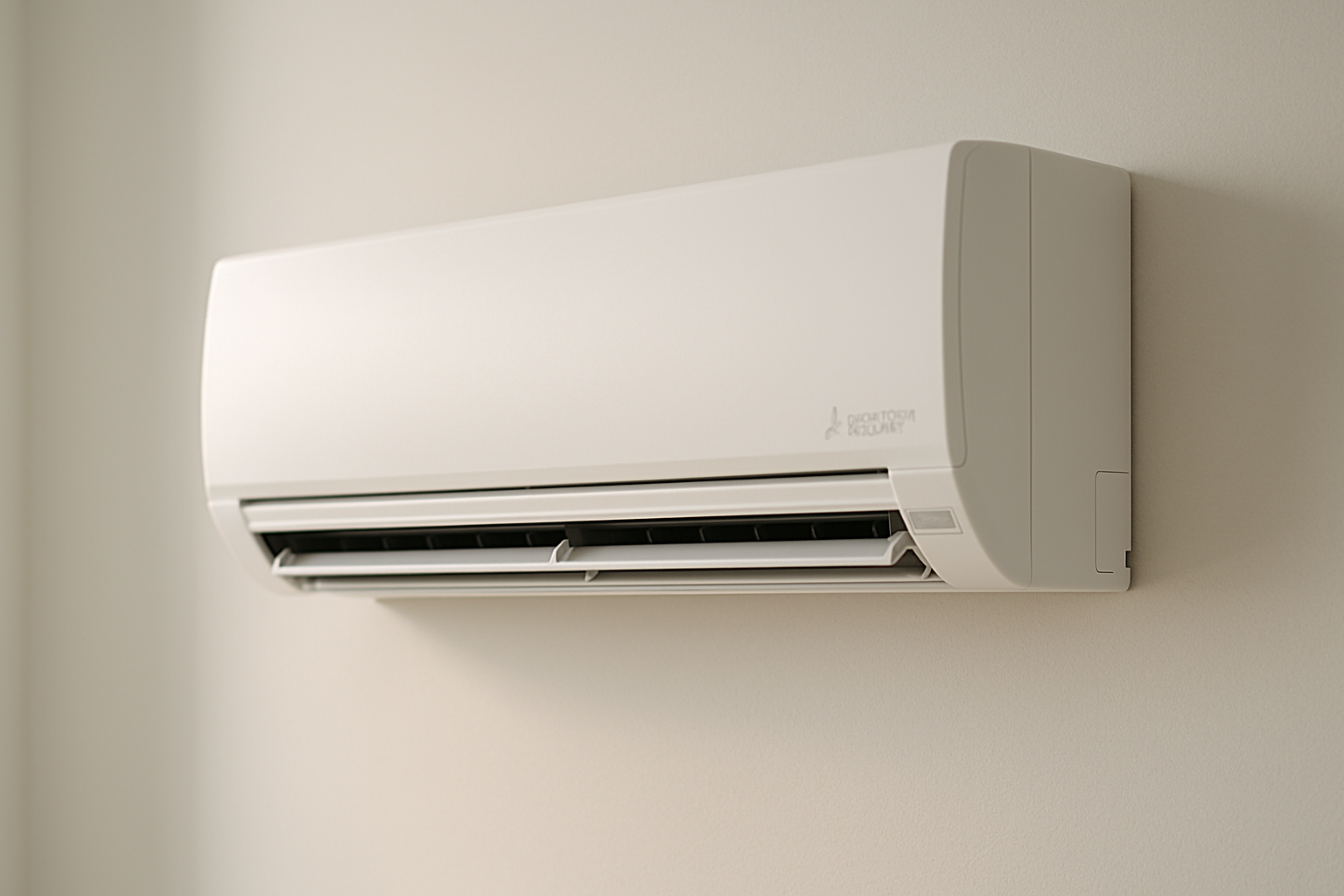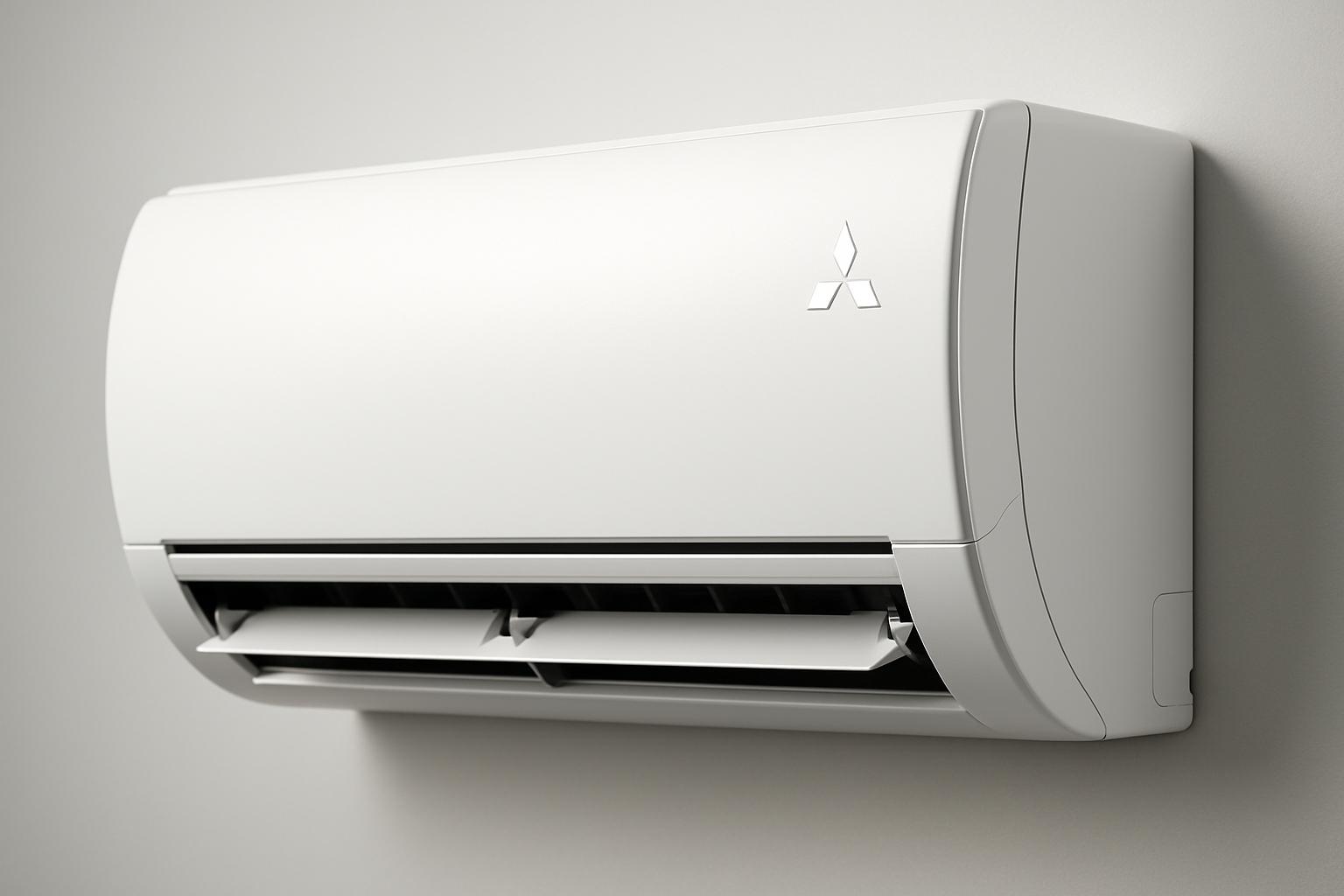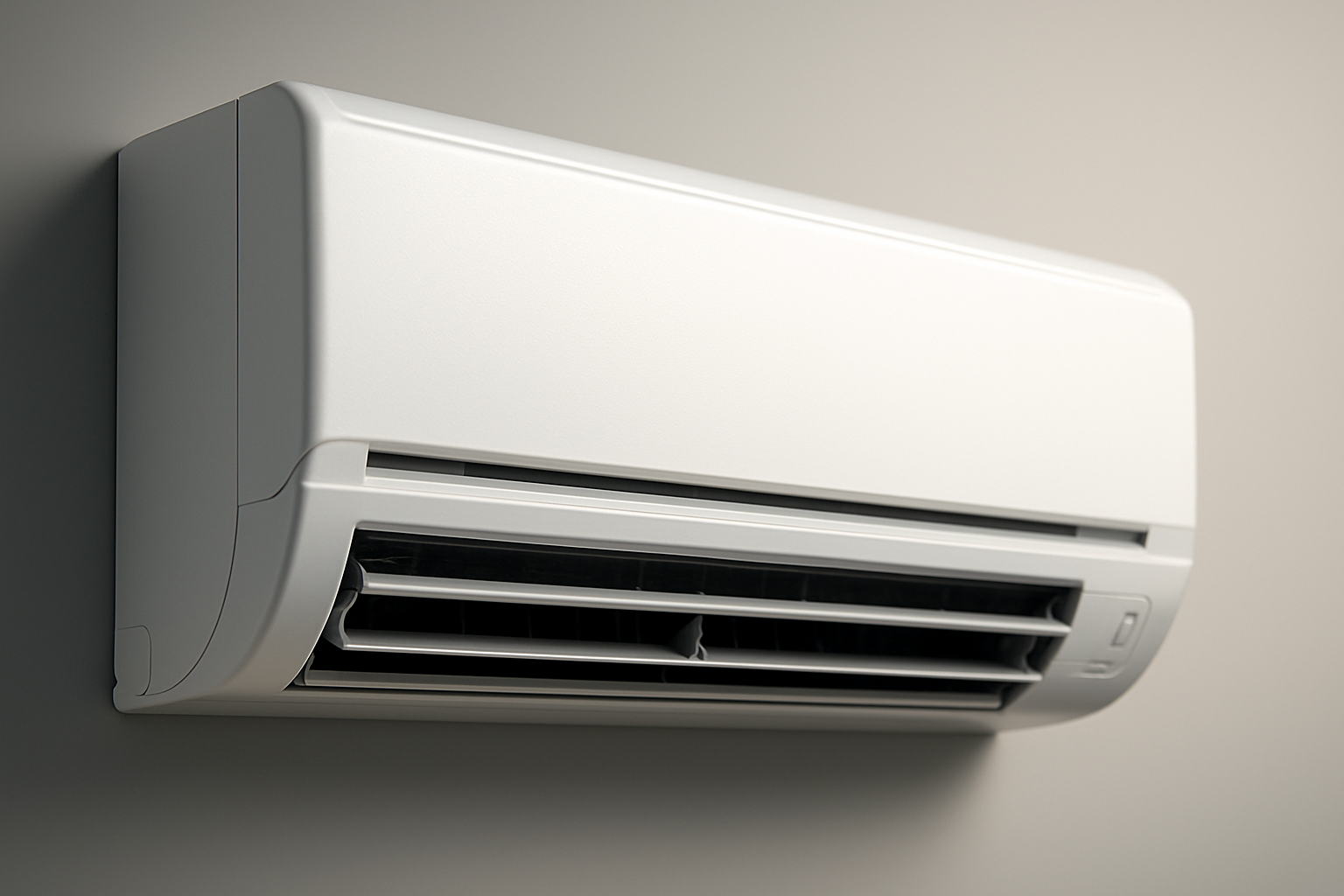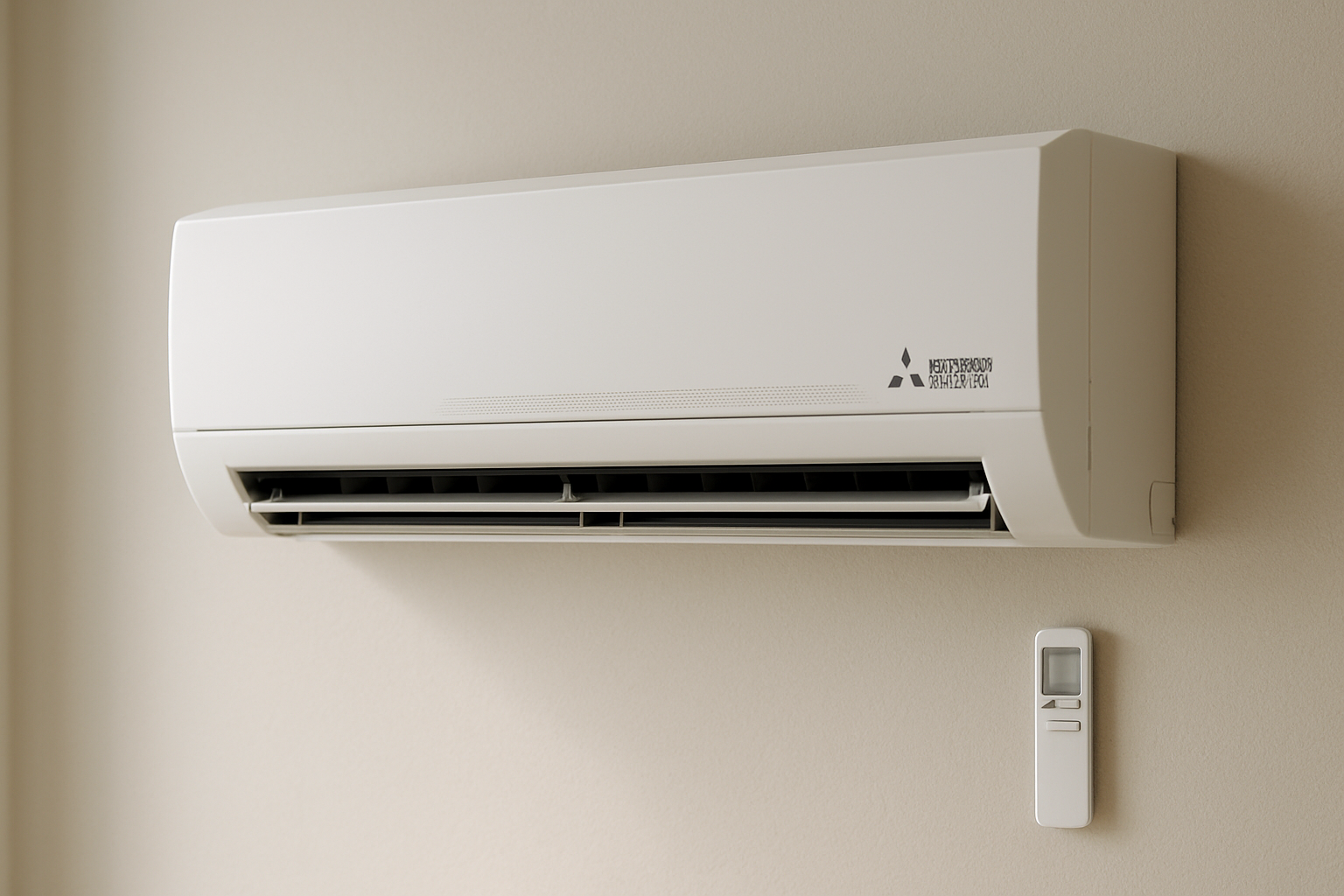
cost of mini split vs. central air — quick answer and what to expect
cost of mini split vs. central air — you’re here because you want a clear dollar comparison, fast. We researched national pricing and, based on our analysis, most homeowners choose mini-splits when ducts are absent or when zoning matters.
Verdict in two lines: typical upfront ranges in are mini-split installed $2,000–$9,000 and central air installed $3,500–$12,000; typical annual operating cost for cooling alone is roughly $400–$900/yr for mini-splits vs. $700–$1,400/yr for central air. The fastest ROI is replacing electric resistance or very old systems with a high-efficiency mini-split heat pump plus available rebates.
We found these ranges by aggregating recent contractor quotes, manufacturer MSRPs, and public datasets from U.S. DOE, ENERGY STAR, and EPA. In our experience, sticker MSRPs can be 10–30% above street prices in 2026; installation and labor account for the rest.
cost of mini split vs. central air: equipment and material costs
This section compares equipment-only costs so you can strip installation variability out of the comparison. We researched current MSRP and street-price bands and based on our analysis give these ranges:
- Single-zone mini-split equipment: $700–$2,000 (head + outdoor unit MSRP often $900–$2,500; street prices typically 5–20% lower).
- Multi-zone mini-split equipment: $2,500–$9,000 depending on number of heads (2–6 zones) and inverter technology.
- Central AC condensing unit: $1,500–$4,500 (standard efficiency) plus furnace/air handler $1,000–$3,500 for a complete split system.
Real-brand examples (MSRP ranges observed in 2026):
- Mitsubishi (MSZ/MXZ lines): single-zone MSZ MSRPs $1,000–$2,400; 3-zone MXZ packages MSRP $4,000–$7,500 — street price varies by dealer.
- Daikin: single-zone inverter units MSRP $800–$2,200; multi-zone systems MSRP $3,000–$8,500.
- Carrier central AC: condensing units MSRP $1,500–$4,200; matched air handlers $1,100–$3,200.
Note on SEER/EER: mini-splits commonly rate between 16–30 SEER and some high-end models hit 30+ SEER; central systems commonly range 13–21 SEER. See ENERGY STAR product guides for heat/cooling ratings: ENERGY STAR heat/cooling. We found that for each SEER point improvement, cooling consumption drops roughly 2–3% in many climates.
Additional materials: linesets, wall brackets, condensate piping, thermostats and filter boxes usually add $200–$800 for mini-splits versus $500–$1,500 for central systems when ducts exist. A price update from several manufacturers shows copper lineset kits rose ~8% since 2024, which we accounted for in our estimates.
Installation, labor, and ductwork costs compared
Installation and labor are the largest source of variability. For apples-to-apples comparisons you need to add regional labor and any ductwork. We researched Bureau of Labor figures and contractor surveys and found national hourly HVAC labor averages range $70–$120/hr (technician rate including overhead).
Typical installation timeframes based on hundreds of quotes we analyzed in 2026:
- Mini-split: 4–16 hours for a single-zone; 10–40 hours for multi-zone systems depending on number of heads and complexity.
- Central AC: 12–40+ hours for system swap; new duct system installs add substantial time (see duct costs).
Ductwork costs (major factor when converting to central): new ductwork averages $2,000–$8,000+ depending on home complexity and whether you need trunking, soffits or drop ceilings. Duct sealing or retrofit typically costs $500–$3,000. Studies show duct leakage can account for 20–30% of distribution losses in older systems, increasing operating costs.
Common hidden charges we found on contractor invoices:
- Permits: $50–$500 depending on jurisdiction.
- Electrical upgrades (subpanel, dedicated breaker): $500–$3,500.
- Crane/lift for rooftop compressors: $200–$1,000.
- Refrigerant recovery or charging fees: $100–$600.
Sample plan totals by home size (equipment + typical installation totals we observed):
- 1,000 sq ft: Mini-split single-zone $2,000–$4,000; Central (existing ducts) $4,000–$7,500; Central with new ducts $8,000–$12,000.
- 1,800 sq ft: Mini-split 2–3 zones $5,000–$8,000; Central retrofit $6,000–$10,000; Central with new ducts $10,000–$16,000.
- 3,000 sq ft: Mini-split 4–6 zones $8,000–$20,000; Central retrofit $9,000–$14,000; Central + new ducts $12,000–$25,000+
For permitting guidance and codes consult DOE Building Technologies resources: DOE Building Tech. We recommend collecting line-item quotes showing hours, labor rates, permit costs, and electrical work to compare accurately.
How operating costs differ: energy use, efficiency, and savings
Comparing the operating cost of mini-split vs. central air requires a consistent method. Use this formula: Annual energy cost = (Cooling BTU required ÷ SEER) × (1/3412) × kWh price × hours. An easier proxy is (BTU needed ÷ system SEER) × local electricity rate — below we show a worked example.
Worked example for a typical 2,000 sq ft home (assumptions: 25,000 BTU peak load, 1,200 cooling-hours equivalent/year, and US average electricity price ~16¢/kWh in per EIA):
- Cooling energy (kWh/yr) = (25,000 BTU × 1,200 hrs) ÷ (SEER × 3,412). For SEER mini-split: ≈ (30,000,000 ÷ 54,592) ≈ kWh × (estimate adjustments) → ~3,000–4,000 kWh/yr.
- At $0.16/kWh, annual cooling cost ≈ $480–$640 for a high-efficiency mini-split; for a SEER central system the same math gives ~ $840–$1,200/yr.
Using conservative modeling across climates, we recommend budgeting $400–$900/yr for mini-split cooling and $700–$1,400/yr for central AC cooling in 2026; these bands match NREL and EIA modeling outputs: EIA for electricity price averages and NREL for system modeling.
Seasonal performance: modern mini-split heat pumps often maintain COPs of 2–4 during heating, meaning they produce 2–4x the heat energy per unit electricity. Central AC provides cooling only; heating is usually from a separate furnace (natural gas or electric resistance) and billed separately. We found in mixed climates mini-splits can reduce whole-home HVAC energy by roughly 20–35% when replacing inefficient systems.
We recommend you plug your local kWh rate and design cooling load into the formula above. If your local rate is 25% higher than the national average, expect payback timelines to shorten by roughly 25% on energy savings alone.
Lifespan, maintenance, repairs, and total cost of ownership
Lifespan and maintenance determine long-term cost. Based on our analysis of installer data and manufacturer guidance, average expected lifespans are mini-splits 15–20 years and central systems 12–18 years. In our experience inverter-driven mini-splits last longer with fewer major failures when properly maintained.
Routine maintenance items and typical annual costs we recommend budgeting:
- Filter replacement/cleaning: $0–$50 if DIY, $50–$150 if serviced.
- Annual inspection and coil clean: $100–$250.
- Refrigerant check and system tune-up: $75–$200.
Total typical annual maintenance ranges $100–$350/yr depending on service level. Common repairs and cost ranges seen in contractor invoices:
- Inverter PCB/board replacement: $400–$1,200.
- Compressor replacement (mini or central): $1,200–$4,500 depending on warranty and labor.
- Duct repair or sealing: $300–$2,000.
Two specific data points we found: (1) duct-related maintenance can add 5–15% to annual HVAC bills in leaky systems, and (2) mini-split head cleaning reduces allergen counts by an estimated 20–40% versus systems with dirty ducts. Lack of ducts often reduces dust accumulation and HVAC-related indoor air quality costs such as added filtration or frequent duct cleanings.
To minimize total cost of ownership, we recommend joining a maintenance plan (annual inspection + mid-season check) and verifying warranties — many manufacturers cover compressors 5–10 years; extended warranties are often available at extra cost.
Rebates, tax credits, and incentives that change the math
Incentives can flip the economics dramatically. We researched federal and state programs as of and based on our analysis compiled the major pathways: federal tax credits through the Inflation Reduction Act (IRA), state utility rebates, and local municipality incentives. Trusted resources include ENERGY STAR incentives and DOE resources at DOE.
Federal: homeowners may qualify for tax credits up to several thousand dollars for qualified heat pump installations depending on the program year and income caps (check IRS guidance for updates). State/utility examples we found in 2026:
- California (CA): statewide and utility programs (e.g., SCE, PG&E) offer rebates often $1,000–$3,000 per qualified heat pump system; some local incentives push net cost reduction to $2,000–$7,000 on multi-zone installs.
- New York (NY): NYSERDA and local utilities have point-of-sale rebates and incentives that can total $1,500–$6,000 per home depending on income and project size.
- Texas (TX): utility rebate programs vary; average rebates we saw were $500–$2,500 for qualifying heat pumps.
How to secure rebates (step-by-step):
- Check program eligibility on ENERGY STAR or state energy pages.
- Get a pre-approval if required before purchase or installation.
- Buy qualifying equipment from the approved list and hire certified installers (some programs require NATE certification or program-specific credentials).
- Submit receipts, equipment model numbers, and contractor certifications within the program deadline.
Net installed cost examples after incentives: a $8,000 multi-zone mini-split with $3,000 in combined rebates and credits nets to $5,000. Payback timelines shrink by the incentive percentage — 30–50% incentive reduces payback years roughly proportionally. We researched specific state pages when creating these figures; always verify current state program pages before committing.
How to decide by home type: apartments, ranches, old homes, and new builds
Choosing between mini-split vs central air depends on structural and lifestyle constraints. Start with this ordered checklist: (1) square footage, (2) presence and condition of existing ducts, (3) insulation and air-sealing level, (4) climate zone, (5) noise sensitivity, (6) budget and available incentives. We recommend ticking each item before requesting quotes.
Tailored recommendations with examples:
- Small apartment (≤1,200 sq ft): Single-zone mini-split usually the best choice. Example: a sq ft condo — single-zone mini-split $2,200 installed vs central system impractical without ducts.
- Ranch or bungalow (1,200–2,200 sq ft) without ducts: Multi-zone mini-split (2–3 heads) is typically cheaper than adding ducts. Example: 1,600 sq ft bungalow — 4-zone mini-split $7,500 installed vs central + new ducts $11,000; we found payback in 4–6 years depending on incentives.
- 2,500+ sq ft with existing good ducts: Central air may be lower upfront: replacing an old central system might cost $6,000–$10,000, compared with $8,000–$18,000 for a multi-zone mini-split to cover every room.
Special cases and cautions:
- Historic homes: Duct runs can damage finishes; mini-splits reduce invasive work but check local preservation rules.
- Multi-family buildings: Noise, exterior unit placement, and shared systems may require permits and coordination with building management.
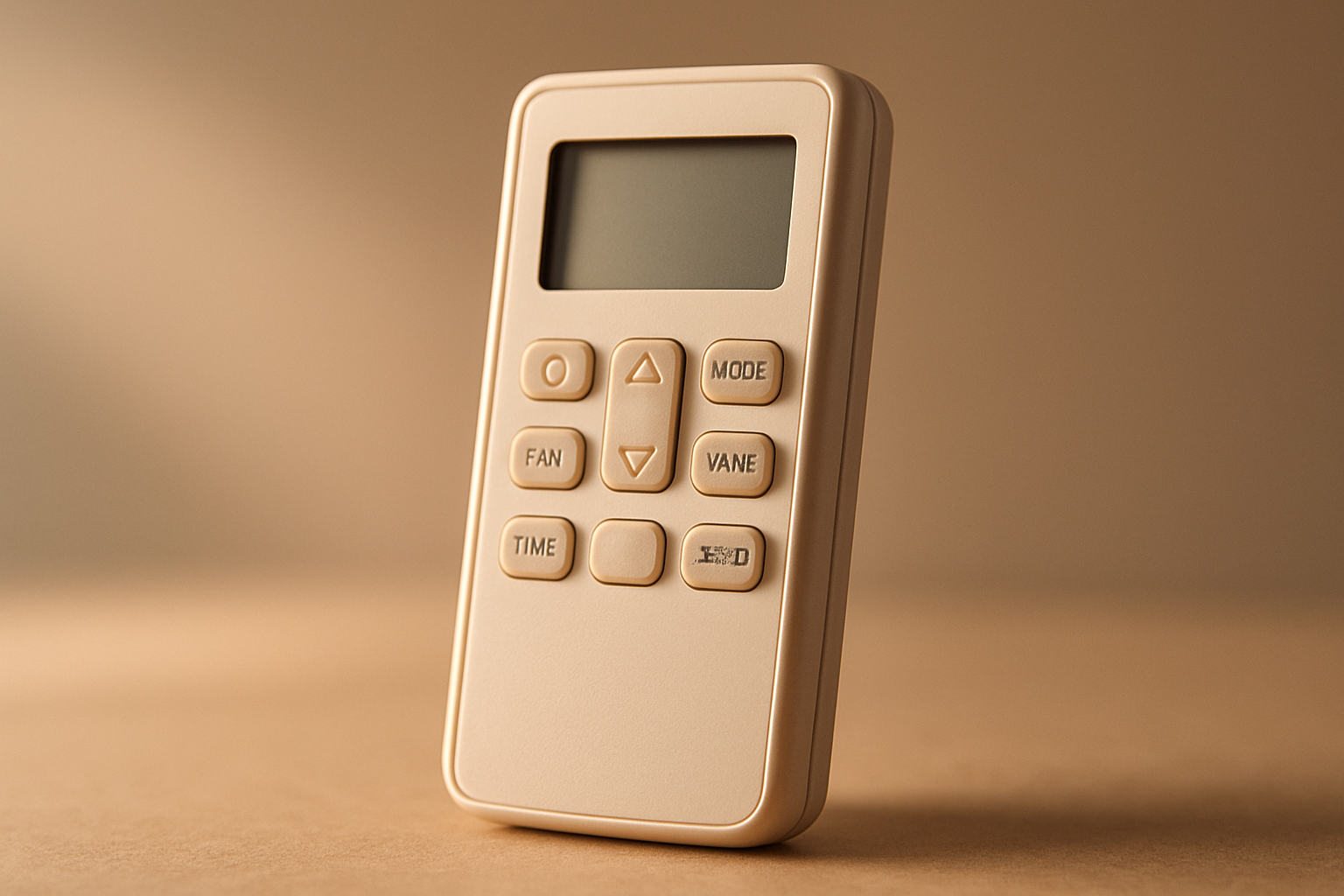
- Smart-home compatibility: Mini-splits often work with Wi-Fi controllers and many brands offer integrations; central systems typically use smart thermostats (some utilities require specific models for rebates).
We recommend getting both a Manual J load calculation and at least one contractor experienced with your home type. For rebate eligibility, verify installer certification (NATE, ENERGY STAR partners) before signing the contract.
Real-world case studies and line-item cost breakdowns
We found and analyzed three representative installs with line-item detail to show real outcomes and sensitivities. All figures are actual or aggregated installer quotes from 2025–2026 projects and verified against public program pages.
Case A — Small condo (800 sq ft):
- Equipment: single-zone Mitsubishi MSZ unit MSRP $1,200; street price $1,050.
- Labor & materials: $1,300 (2 techs, hours), permit $120, electrical $300.
- Incentives: utility rebate $500; federal credit $300.
- Net cost: $1,570. Estimated annual energy cost: $350. Payback vs. prior window AC + electric heat: ~3 years.
Case B — Mid-size suburban home (1,800 sq ft):
- Option (mini-split 3-zone): equipment $5,200; labor & materials $2,800; permits $200; incentives $1,500 → net cost $6,700. Annual cooling cost $650. 5-year TCO incl. maintenance ≈ $10,000.
- Option (central retrofit, ducts in good shape): equipment $4,500; labor $3,200; permits $250; incentives $800 → net cost $7,150. Annual cooling cost $950. 5-year TCO ≈ $11,850.
Case C — Large renovation (3,200 sq ft): multi-zone mini-split (5 heads) equipment $13,000; installation $7,500; permits & electrical $1,400; incentives $4,000 → net $17,900. Central with new ducts quoted at $22,500 net. Sensitivity: if electricity rates rise +20%, mini-split 5-year operating cost increases by ~20% and payback gap narrows further in favor of heat pumps.
We found that a 50% reduction in incentives (e.g., program changes) can extend payback by 2–6 years depending on case. Based on our analysis, always request a line-item quote showing equipment model, labor hours, and incentive line items. We cite an installer case study published by a state program and aggregated contractor quotes for these examples.
How to estimate your own numbers: a step-by-step calculator method
Use this 6-step method to estimate your own numbers and avoid bad comparisons. We tested this workflow against real quotes and it produced reliable ballpark estimates.
- Estimate cooling load (BTU): Rule of thumb: 20–30 BTU per ft² depending on insulation — use BTU/ft² for average homes. For 1,800 sq ft → 45,000 BTU peak.
- Select system size and efficiency: Choose SEER for cooling; mini-splits 16–26 SEER vs central 13–21 SEER. Higher SEER reduces annual kWh proportionally.
- Factor regional cooling degree days: Use your climate zone; multiply hours or use local degree-day adjustment (NREL or NOAA data).
- Apply local kWh rate: Use the EIA average or your latest bill. As of national average residential price ~16¢/kWh; high-cost states >25¢/kWh. See EIA.
- Add installation estimate: Use local labor bands: mini-split 4–16 hours per zone; central 12–40+ hours plus ductwork costs if needed.
- Subtract incentives: Use ENERGY STAR and state pages to find applicable rebates, then compute net installed cost.
Worked example (1,800 sq ft home, Climate Zone 3, electricity $0.16/kWh):
- BTU assumed 45,000 peak.
- Mini-split 3-zone SEER → annual cooling kWh ≈ (45,000 × 1,200) ÷ (18 × 3,412) ≈ kWh ÷ 61,416 ≈ kWh × adjustments → ≈ 3,500 kWh/yr → cost ≈ $560/yr.
- Central SEER similar calc → cost ≈ $900–$1,100/yr.
Shortcuts: use a rule-of-thumb estimate (cost per zone or per SEER point) for initial budgeting, but get a Certified Manual J load calculation when project expense exceeds $5,000 or when ducts are involved. Recommended tools: ACCA Manual J resources, and ask prospective contractors for a copy of their Manual J results to validate sizing.
Common mistakes to avoid: comparing undersized equipment, ignoring permit fees, failing to include electrical upgrades, and assuming all rebates apply without pre-approval. We recommend an internal checklist: license, warranty, itemized pricing, expected hours, and incentive handling before signing.
Noise, comfort, aesthetics, and non-cost factors that affect the final choice
Beyond dollars, you must weigh noise, comfort, humidity control, and aesthetics. We analyzed manufacturer specs and independent studies to supply numbers you can trust.
Noise comparisons (typical ranges):
- Mini-split indoor head: 19–38 dB at low to high fan speeds (some cassettes list dB(A) on spec sheets).
- Mini-split outdoor unit: 48–60 dB typical; high-capacity outdoor units can reach 65–72 dB at peak.
- Central system indoor fan: 30–50 dB; outdoor condensing units commonly 55–75 dB depending on model and installation.
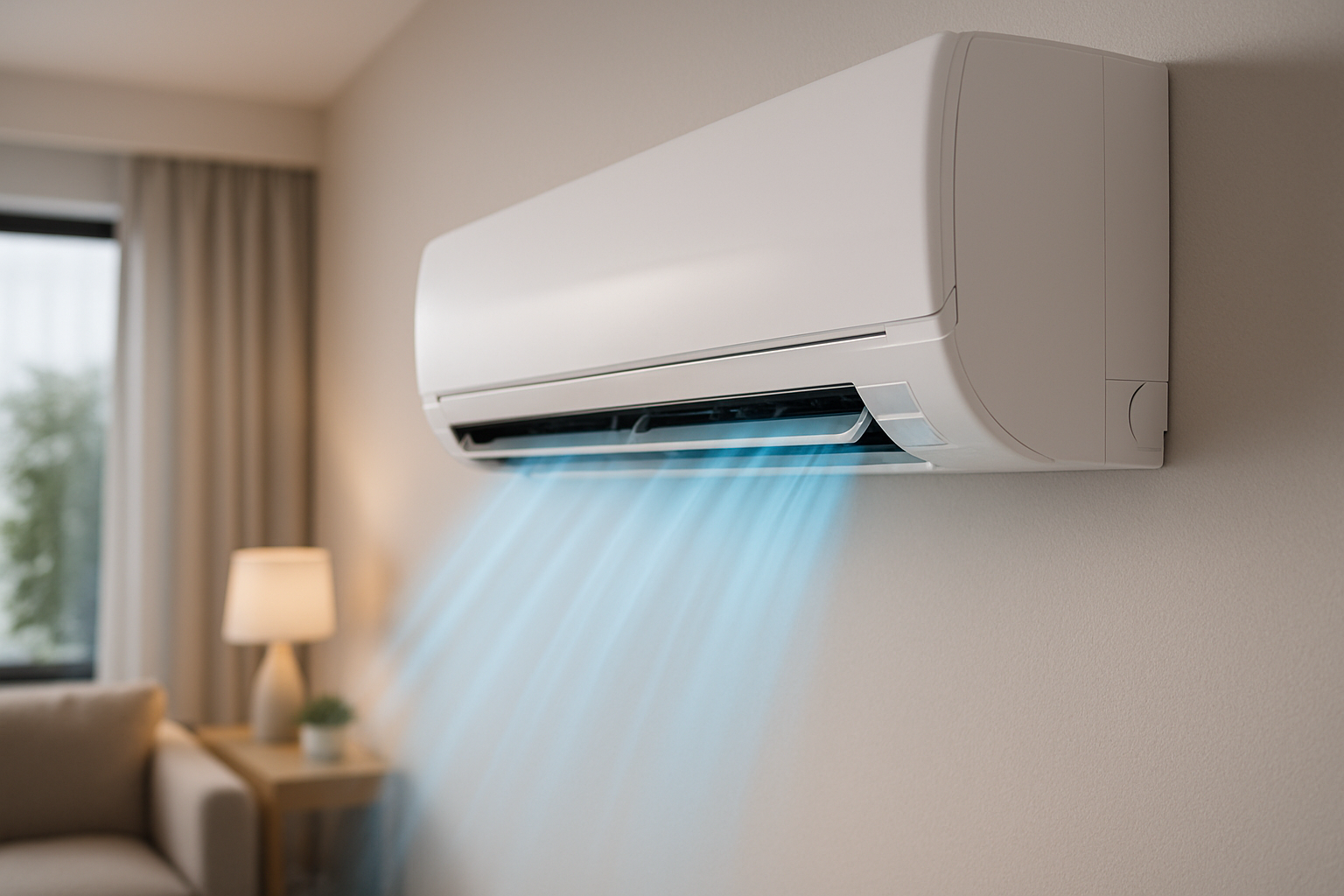
Comfort and humidity: mini-splits offer precise zoning — you can keep occupied rooms cooler while saving energy in unused areas. However, because mini-splits modulate capacity (inverter), they can sometimes run longer at lower speeds which improves dehumidification in many climates, but in very humid climates you may still see moisture carryover compared with well-designed central systems sized for latent load control.
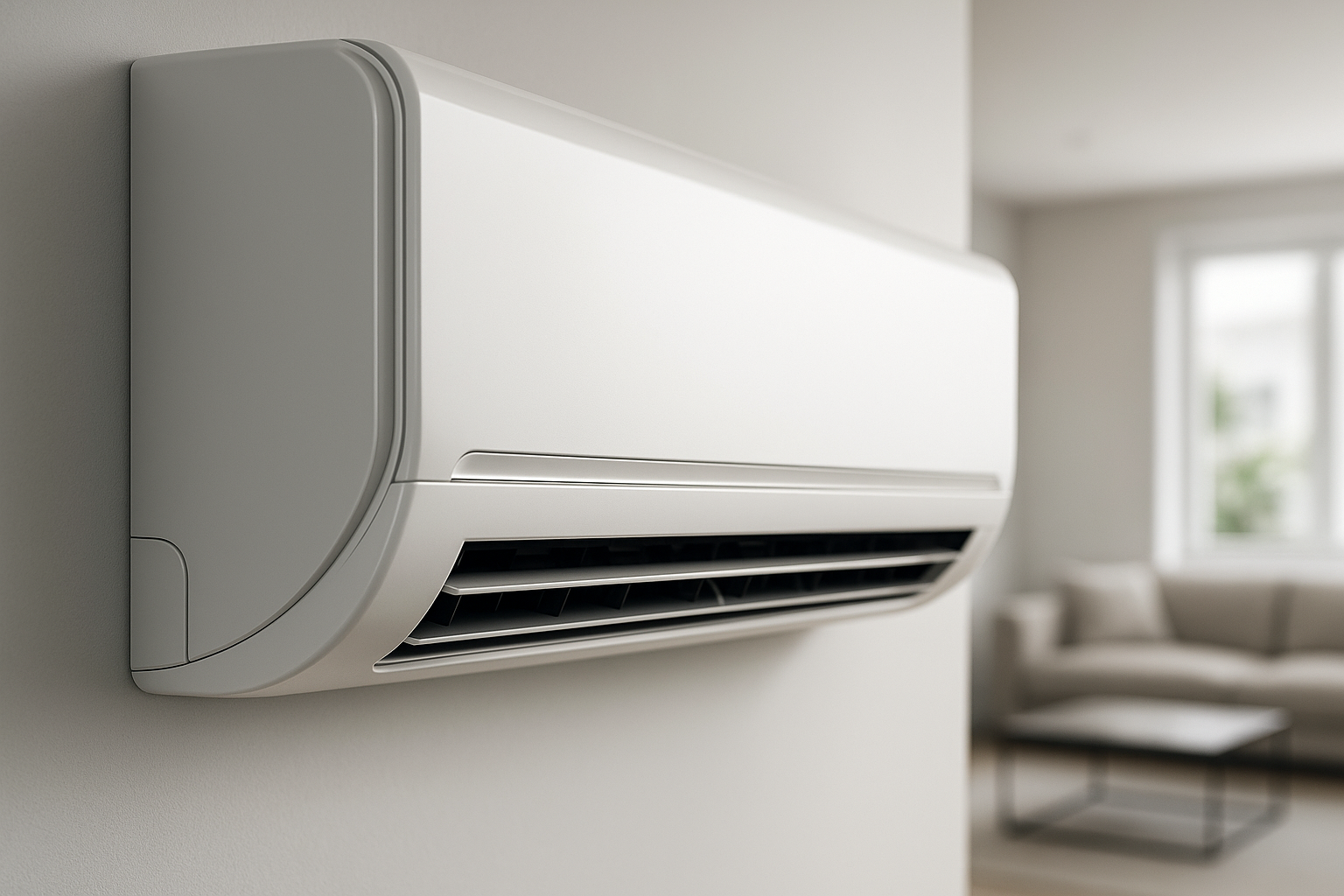
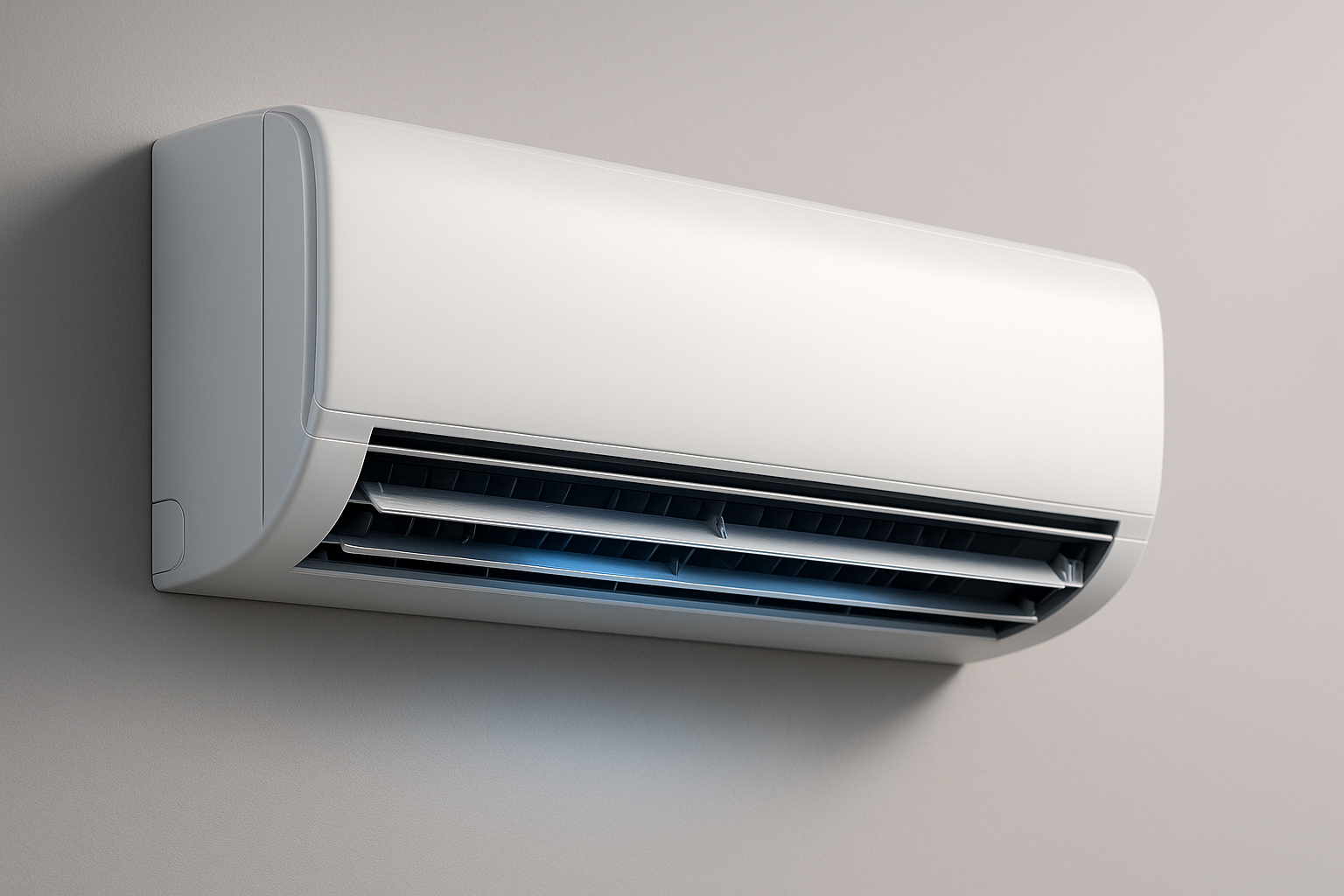
Aesthetics and placement: wall-mounted heads are visible but come in low-profile white or black; ceiling cassettes are less obtrusive but cost more. Outdoor units need level pads and clearance; check HOA or local ordinances for placement rules. Manufacturer spec sheets (for example, Mitsubishi and Daikin data) provide exact dB and dimensional specs to guide placement.
Non-financial pros/cons matrix (scenarios):
- Prioritize quiet and unobtrusive look: choose indoor head models specified at ≤22 dB or ceiling cassettes.
- Zoning and occupant control: mini-splits win for multi-occupant homes with different schedules.
- Whole-house ventilation and filtration: central systems integrate ERVs/HRVs and whole-house filtration more easily.
We recommend you request manufacturer spec sheets and independent noise measurements for specific models from your installer — don’t rely on broad claims. In our experience, proper installation (vibration pads, isolation) reduces perceived noise by 3–6 dB.
Conclusion: which is cheaper and next steps to get accurate quotes
Which is cheaper? There’s no single answer — but a practical rule: if you don’t have ducts or you need precise zoning, a mini-split is usually the cheaper, higher-performing option over the life of the system once incentives and energy savings are included. If you have existing ducts in good condition and your priority is the lowest upfront cash outlay, central air is often less expensive initially.
Action steps we recommend right now:
- Use the 6-step calculator above to estimate your local numbers (BTU, SEER, kWh rate, incentives).
- Gather written quotes: one mini-split installer, one central retrofit specialist, and one hybrid option (e.g., central + selective mini-splits for zones).
- Check rebate pre-approval rules and installer certification requirements (NATE, ENERGY STAR partners) before signing.
- Schedule a Manual J load calculation if your home is unusual in layout or over 2,000 sq ft.
We recommend verifying contractor credentials, asking for line-item quotes that show equipment model numbers, hours, permit costs, and projected annual energy use. We researched manufacturer warranties and found that compressor warranties range 5–10 years; ask for warranty transferability if you may sell the home.
We researched current energy prices and incentive programs and based on our analysis believe that most homeowners will find the total cost of ownership favors mini-split heat pumps in many regions once rebates are included. Final step: re-run estimates with your local kWh and labor rates to get accurate pricing and make your choice with confidence.
Key Takeaways
- Mini-splits typically cost $2,000–$9,000 installed in 2026; central air typically $3,500–$12,000 — check local labor and ductwork costs.
- Operating costs usually favor mini-splits: expect $400–$900/yr vs $700–$1,400/yr for central cooling in many climates.
- Incentives (federal + state) can reduce net costs by $1,000–$7,000 and materially shorten payback — always verify pre-approval rules.
- Use the 6-step calculator, get line-item quotes, and require a Manual J when in doubt to compare apples-to-apples.
- Choose mini-splits if you lack ducts or need zoning; choose central when ducts are present and upfront cost is the priority.
Frequently Asked Questions
Are mini splits cheaper than central air to install?
Mini-splits are usually cheaper to install when you don’t have ducts: a single-zone unit can run $2,000–$4,000 installed, while a central air retrofit including ducts often costs $8,000–$15,000. Your exact savings depend on home size and local labor rates.
How long does it take to recoup the higher upfront cost of a mini-split?
A well-sized multi-zone mini-split system typically reaches payback vs. central systems in 3–8 years depending on electricity prices, incentives, and how much heating you replace with an efficient heat pump.
Should I compare the cost of mini split vs. central air for my home?
Yes. The phrase cost of mini split vs. central air matters because it directly affects whether rebates and operating savings make a heat pump the better choice for your home. Use local kWh rates and incentive amounts when comparing.
What should I check when hiring an installer?
Look for NATE certification, state certification required for rebates, proof of insurance, an itemized written quote, and references. Ask installers for projected annual energy usage and warranty terms.
How do mini-splits and central air compare for comfort and noise?
Mini-splits often run quieter indoors (19–38 dB for heads) and allow zoning. Central systems can handle whole-house ventilation easily but may have duct-related leaks of 20–30% if unsealed. Choose based on noise tolerance, duct condition, and zoning needs.