

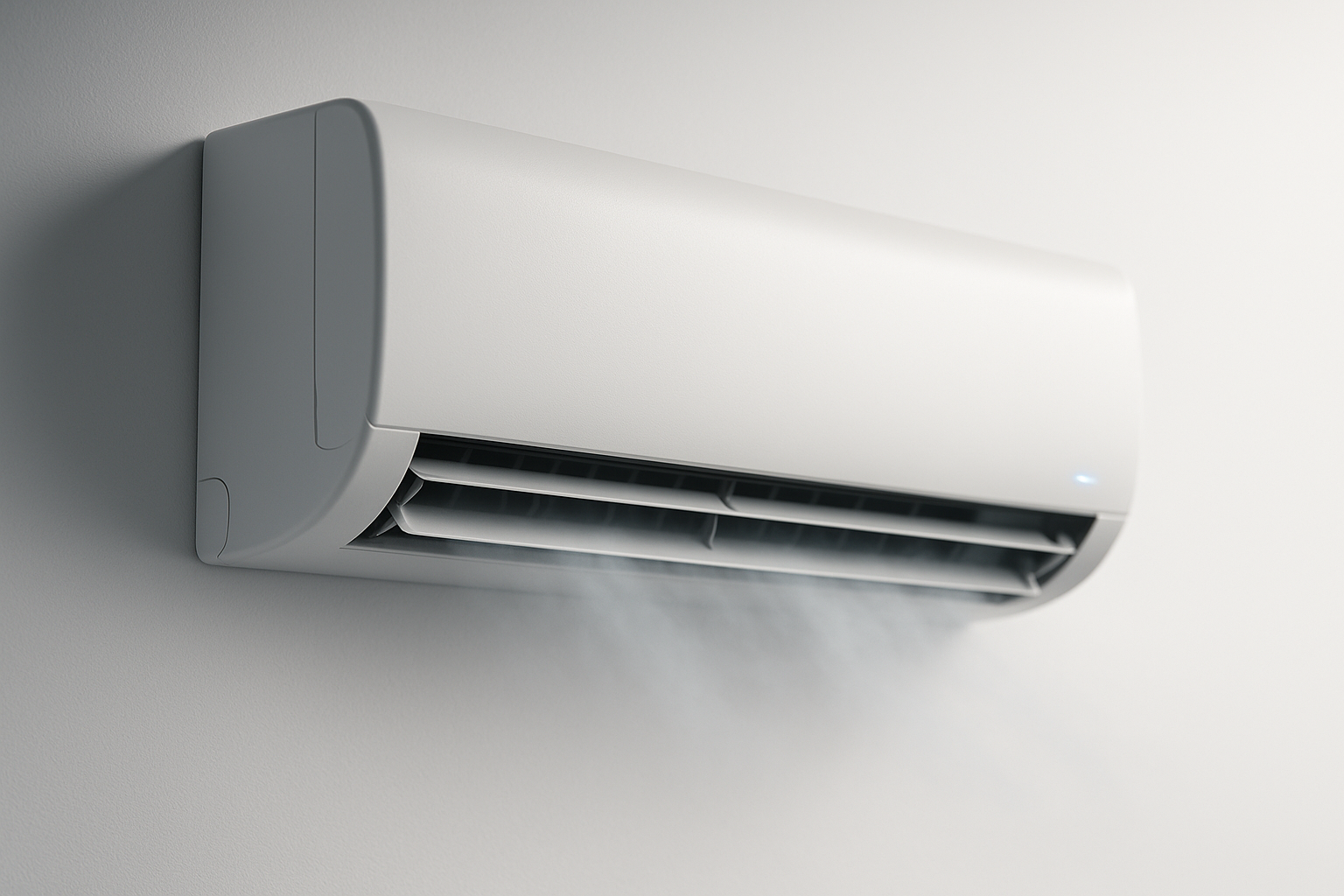
? Which air conditioner brand should you trust to keep your home reliably cool year after year?

Choosing the best air conditioner brand in world for reliable cooling
You want an air conditioner that performs dependably, saves energy, and won’t leave you stranded when the hottest days arrive. Picking the right brand is a major step toward that peace of mind. This guide helps you compare the top global brands, understand the most important technical and practical factors, and decide which brand fits your needs, budget, and climate.
Why brand selection matters for reliable cooling
Choosing a reputable brand affects more than the unit you buy today. It influences energy bills, maintenance frequency, repair costs, parts availability, and the quality of local service. When you pick a strong brand, you’re buying into better design, factory quality control, and established dealer networks.
You’ll also find differences in innovations such as inverter compressors, smart controls, and quiet operation, which vary by manufacturer. Those differences can translate into long-term comfort and lower total cost of ownership.
Key types of air conditioners and how brand relates
You should match the brand to the type of AC you need because some companies excel at certain categories more than others.
- Split / ductless mini-splits: Many Asian brands (Daikin, Mitsubishi Electric, Fujitsu, Panasonic) lead in inverter-driven split systems.
- Central / packaged systems: Companies like Trane, Carrier, Lennox, and Goodman are strong in central HVAC and larger systems.
- Window and portable units: Brands such as LG, Frigidaire, and Koppel are common for room units.
- VRF/VRV systems (commercial): Daikin, Mitsubishi Electric, and Toshiba are dominant.
- Budget and mass-market models: Midea and Gree offer strong price-to-performance, especially in emerging markets.
Choose a brand known for the specific category you plan to buy, and check the local dealer network for installation and service.
Top global AC brands and what they’re known for
Below is a concise table that compares major brands across commonly used criteria. Use this for a quick reference before reading the detailed brand notes that follow.
| Brand | Strengths | Typical Best Use | Global Service Presence | Price Range |
|---|---|---|---|---|
| Daikin | Leading inverter tech, VRV systems, reliability | Residential & commercial VRF | Excellent worldwide | Mid–High |
| Mitsubishi Electric | Quiet operation, energy efficiency, mini-splits | Ductless systems, quiet rooms | Very strong | Mid–High |
| Carrier | Pioneering central HVAC, durability | Central systems, whole-house | Strong globally | Mid–High |
| Trane | Robust build, commercial & residential | Heavy-duty central systems | Strong in Americas | Mid–High |
| LG | Smart features, design, split and window units | Residential split & smart homes | Global | Mid |
| Panasonic | Filtration tech, reliable splits | Residential & light commercial | Strong Asia-Pacific | Mid |
| Fujitsu | Efficient mini-splits, compact design | Ductless residential | Good global reach | Mid |
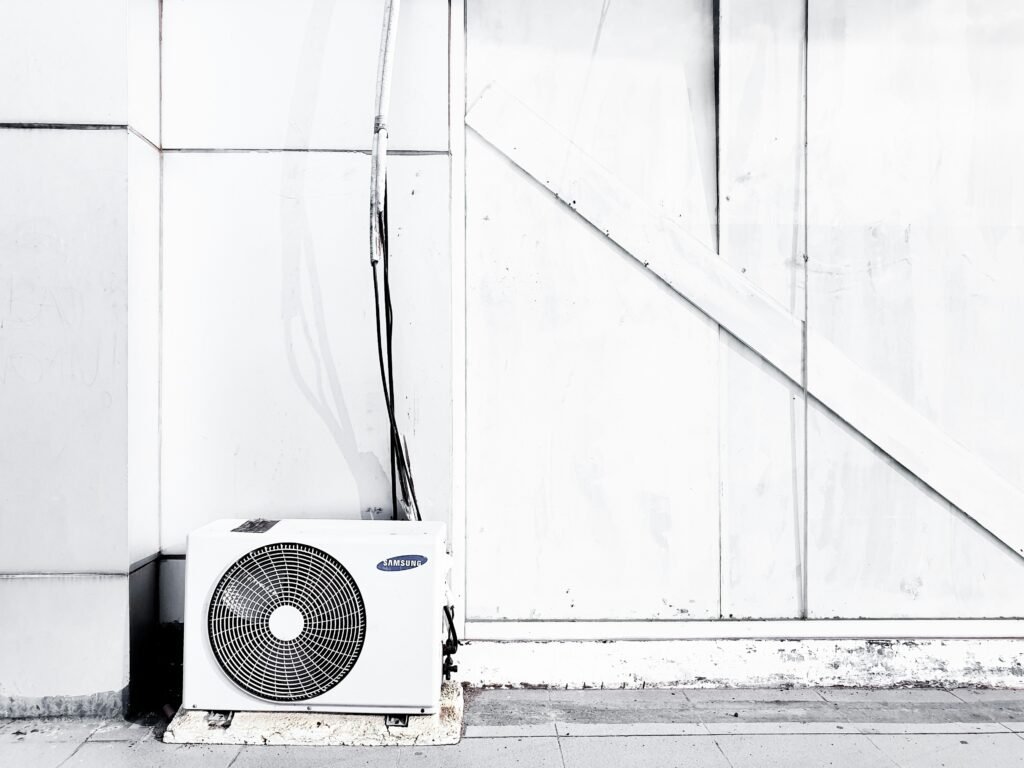
| Samsung | Smart features, aesthetics | Consumer splits, multi-splits | Strong in many markets | Mid |
| Midea | Competitive pricing, wide range | Budget splits, room ACs | Very large global reach | Low–Mid |
| Gree | Large volume manufacturing, value | Residential splits & room units | Very strong, esp. China | Low–Mid |
| Bosch / BSH | Engineering quality, integrations | Heat pumps & residential | Good in Europe | Mid–High |
Daikin
Daikin often leads the market in compressor and inverter technology. If you prioritize efficiency, long product lifespans, and robust VRF/VRV systems for commercial applications, Daikin is a strong contender. You’ll find models designed to operate efficiently in harsh climates and a wide range of capacities.
You should consider Daikin if you want cutting-edge refrigerant handling and top-tier warranties in many regions. Service networks are mature in many countries, which helps for long-term maintenance.
Mitsubishi Electric
Mitsubishi Electric is frequently praised for quiet operation and highly efficient ductless systems. If you need a unit for bedrooms, offices, or spaces where noise matters, Mitsubishi’s engineering focuses on low sound levels and precise temperature control.
You’ll also benefit from a strong dealer and installer network, and systems that integrate easily with zoning setups and smart controls.
Carrier
Carrier invented modern air conditioning and remains a go-to brand for central HVAC in many markets. Their systems are engineered for durability and compatibility with professional installation. If your priority is a whole-house central system with reliable parts and established service, Carrier is a reasonable choice.
You should check local dealer coverage and model-specific warranties to ensure reliable service in your area.
Trane
Trane emphasizes ruggedness and performance under heavy load. Its systems are often specified for commercial buildings and demanding residential installations. You should consider Trane when you need a durable central system that can endure frequent use and challenging conditions.
Local service availability matters: Trane has strong representation in North America and selective coverage elsewhere.
LG
LG blends consumer-friendly design, smart features, and good energy efficiency. Their residential split systems and window units often include Wi-Fi and app control. If smart home integration and aesthetic styling matter to you, LG is a brand to consider.
You’ll usually find good local parts support and a range of price options from basic to premium.
Panasonic
Panasonic focuses on air quality features and reliable home comfort systems. Their filtration and dehumidification options are often more pronounced than average, which helps if indoor air quality is a priority.
You should look into Panasonic if you want a balance of performance and air cleaning technologies.
Fujitsu
Fujitsu is strong in compact, efficient mini-splits. If you need a slim indoor unit with good energy ratings and quiet operation, Fujitsu models are worth considering. Their systems are popular for retrofits and apartments.
Check the local service network and available capacities for your project size.
Samsung
Samsung offers modern designs, smart connectivity, and competitive performance. You’ll often find feature-rich indoor units with sleek styling and integrated app control. Samsung’s multi-split and residential systems work well for tech-savvy buyers.
Service and long-term reliability depend on the region, so verify local support before buying.
Midea
Midea focuses on affordability with a surprisingly wide set of features. If you’re budget-sensitive but want modern inverter technology and basic smart features, Midea can be a practical choice.
Consider Midea when you need good value and can accept potentially more limited premium-service options.
Gree
Gree is one of the largest AC manufacturers by volume and provides solid value models with broad availability. If you’re looking for straightforward cooling with a competitive price, Gree’s products often provide dependable basic performance.
Service coverage is improving globally, but regional differences exist.
How to compare brands: the practical checklist you should use
When you evaluate brands and models, use this checklist to avoid surprises.
- Local dealer and technician network: You need quick access to trained installers and spare parts. Confirm service centers near you.
- Energy efficiency ratings: Look at SEER, EER, and HSPF (heat pump seasonal performance) for your climate. Higher numbers mean lower running costs.
- Warranty terms: Check compressor and parts warranties, and whether labor is included. Some brands offer extended warranties if installed by certified dealers.
- Inverter vs fixed-speed: Inverter models save energy and give smoother temperature control. Most premium brands use inverter compressors.
- Refrigerant type: Newer refrigerants (R32, R410A) are more environmentally friendly and efficient compared to old R22 units, which are being phased out.
- Noise level: Check dB(A) ratings for indoor and outdoor units if noise matters.
- Installation quality: A good brand can be ruined by poor installation. Ask potential installers for references and certifications.
- Air quality features: If you have allergies or respiratory concerns, prioritize brands offering HEPA, nanoe/X, or enhanced filtration.
- Compatibility with smart thermostats and systems: Confirm if the model supports smart control or third-party thermostats if you use smart home devices.
- Availability of parts and filters: Replacement parts should be easy to obtain for long-term maintenance.
Understanding energy efficiency: SEER, EER, HSPF and inverter tech
Energy efficiency influences your monthly bills and environmental impact. You’ll want to understand the main metrics and how brands perform.
- SEER (Seasonal Energy Efficiency Ratio): Higher SEER is better for cooling season performance. Newer inverter systems often have high SEER ratings.
- EER (Energy Efficiency Ratio): Represents efficiency at a fixed outside temperature; useful for comparing performance during peak heat.
- HSPF (Heating Seasonal Performance Factor): For heat pumps, higher HSPF means better heating efficiency.
- Inverter compressors: These adjust speed to match demand, reducing on/off cycles, improving comfort, and lowering energy use.
Table: Typical Efficiency Expectations by Unit Type
| Unit Type | Typical SEER Range (modern models) | When to prioritize |
|---|---|---|
| Room/window units | 8–16 | Budget cooling for single rooms |
| Ductless mini-splits | 16–30+ | Zoned comfort, high efficiency |
| Central split systems | 13–22+ | Whole-house systems |
| VRF / VRV commercial | 20–35+ | Large multi-zone buildings |
Choose a brand that consistently offers high SEER models in the product category you need.
Sizing your AC: why brand alone isn’t enough
Even the most reliable brand won’t perform well if the unit is improperly sized. You should base size on a professional load calculation (Manual J or equivalent) that considers insulation, windows, orientation, occupancy, and local climate.
Quick rule-of-thumb (very general): 20 BTU per square foot for basic cooling in a moderate climate. But this can be misleading—larger windows or high ceilings increase demand, while shaded and well-insulated spaces reduce it.
Example calculation:
- 1,000 sq ft x 20 BTU = 20,000 BTU ≈ 1.7 tons.
But you should get a professional calculation to confirm.
Installation quality: the single most important factor for reliability
Brand matters, but installation matters even more. Poor refrigerant charge, incorrect piping, bad airflow, and weak electrical connections cause premature failures and reduced efficiency.
You should hire an installer certified by the brand or with strong references. Ask for:
- Proper sizing documentation
- Refrigerant charge verification
- Ductwork inspection and sealing for central systems
- Electrical safety and correct wire gauges
- Commissioning and performance testing
A good installer will protect your warranty and improve system lifespan.
Warranties and service support: what to look for
Warranty terms differ by brand and model. Typical warranties cover parts for 1–10 years and compressors for 5–10 years, with some brands offering extended or lifetime options when installed by certified dealers.
Ask these questions:
- Is labor covered under warranty? Often it isn’t.
- Are extended warranties available with professional installation?
- Where are replacement parts stocked regionally?
- How fast is response time for service calls?
A brand with strong local service and straightforward warranty processes reduces your risk of downtime.
Refrigerants and environmental considerations
Refrigerant type influences efficiency, global warming potential (GWP), and future-proofing. You should favor units using R32 or R410A rather than phased-out R22. R32 has lower GWP and is becoming common in newer models.
Be aware that refrigerant regulations vary by region. Buying newer refrigerant technologies makes future servicing easier and can avoid costly retrofits.
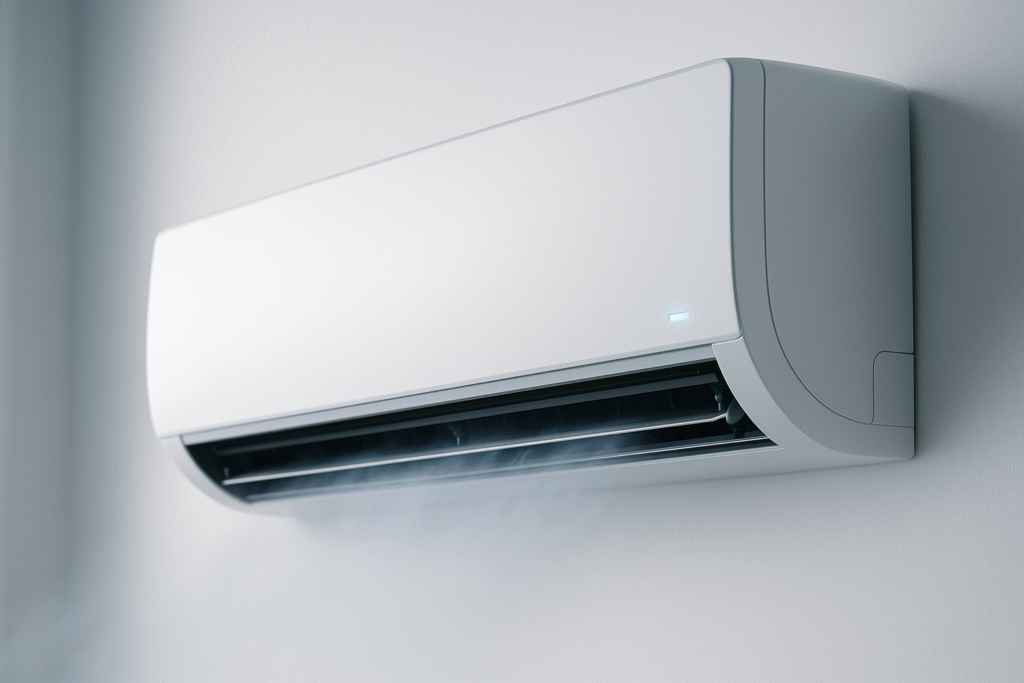
Noise, comfort, and indoor air quality features
If quiet operation is important to you, focus on:
- dB(A) ratings for indoor units (lower is quieter)
- Variable-speed fans and compressors for gentle airflow
- Special modes for night operation
For indoor air quality (IAQ), look for brands that offer:
- High-efficiency particulate filters (HEPA)
- Activated carbon filters for odors
- UV or ionization options (weigh safety and proven efficacy)
- Dehumidification control (important in humid climates)
Brands like Panasonic and Mitsubishi often emphasize IAQ features, but many manufacturers offer them across ranges.
Durability and expected lifespan
A well-installed, well-maintained system can last 10–20 years depending on the type:
- Window/portable: 5–10 years
- Split systems / mini-splits: 12–20 years
- Central systems: 12–20+ years with major components replaced as needed
- VRF systems: 15–25 years in commercial settings with proper care
You should plan for periodic component replacements (fan motors, capacitors, compressors) and routine maintenance to achieve the upper end of these ranges.
Maintenance schedule you should follow
Routine maintenance keeps performance high and prevents costly repairs. A basic schedule you can follow:
- Monthly: Clean or replace filters (more often in dusty environments).
- Every 3 months: Inspect drainage pans and condensate lines.
- Twice per year: Professional inspection before peak cooling and heating seasons.
- Annually: Check refrigerant levels, electrical connections, and fan/blower condition.
- Every 3–5 years: Clean coils and check compressor condition.
Brands with strong dealer networks often provide maintenance plans that make this easier and sometimes extend warranties.
Troubleshooting common AC issues (quick guide)
You’ll likely encounter minor issues over time. Here’s what you can check before calling a technician:
- Unit not cooling: Check thermostat settings, filter cleanliness, and outdoor unit airflow.
- Weak airflow: Inspect filters, ensure vents aren’t blocked, and check ductwork for leaks.
- Strange noises: Loose panels, debris in the outdoor unit, or failing fan motors are common causes.
- Water leaks: Blocked condensate drains or improper slope on drain lines often cause leaks.
- Short cycling: Incorrect refrigerant charge, oversized unit, or electrical issues can cause rapid on/off cycles.
If troubleshooting doesn’t fix the issue, contact a certified technician to avoid voiding warranties.
Cost considerations: initial purchase vs lifetime cost
Initial purchase price varies by brand and system type. But you should evaluate total cost of ownership:
- Energy consumption (higher efficiency reduces bills)
- Maintenance frequency and parts cost
- Warranty and potential repair costs
- Resale or property value impact
Often spending more upfront on a higher-efficiency unit from a reliable brand pays back in reduced energy and repair costs.
Which brand is best for reliability? Practical recommendations
You should pick the brand that matches your priorities and local support availability.
- Best overall for long-term reliability and global service: Daikin and Mitsubishi Electric (mini-splits, VRF).
- Best for central HVAC reliability and commercial/residential heavy-duty use: Trane and Carrier.
- Best for smart, consumer-friendly features: LG and Samsung.
- Best value for budget-conscious buyers: Midea and Gree.
- Best for indoor air quality and filtration emphasis: Panasonic.
Your regional dealer network and available models will heavily influence which brand actually delivers the most reliable experience for you.
Example brand-by-scenario picks
To make your decision easier, here are some scenario-based picks you can use as a shortcut.
- You live in a hot, humid region and want efficient whole-house cooling: Consider Daikin or Carrier heat-pump central systems with high SEER and good dehumidification.
- You need zoned cooling for older homes without ducts: Look at Mitsubishi Electric or Fujitsu mini-splits for quiet, efficient performance.
- You want a feature-rich, app-controlled living room unit: Check LG or Samsung models with Wi-Fi and smart home compatibility.
- You have a tight budget but still want inverter technology: Midea and Gree offer competitive inverter models.
- You run a commercial building requiring flexible zone control: Daikin VRV/VRF or Mitsubishi Electric VRF systems are strong options.
Buying steps you should follow
- Determine system type (central, mini-split, window, VRF) based on home layout and budget.
- Have a professional perform a load calculation and site inspection.
- Request quotes from multiple authorized dealers of your shortlisted brands.
- Compare not just price, but included installation services, warranty terms, and maintenance plans.
- Ask for references and photos of past installations from your installer.
- Confirm refrigerant type and verify the installer’s experience with the chosen brand.
- Get written commissioning and performance verification after installation.
Following these steps will protect your investment and increase the likelihood of reliable performance.
Frequently asked questions you might have
- How much should I spend? Balance your budget with long-term energy costs; investing in a higher-efficiency system often pays off over several years.
- Is inverter technology worth it? Yes for most installations—especially if you run the AC many hours a day or need precise temperature control.
- Does brand matter if the installer is great? Both matter. A top brand with poor installation can fail, but a good installer can significantly improve the outcome even with a mid-range brand.
- How often should I replace my unit? Expect replacement around 12–20 years for splits and central systems if properly maintained.
- Are smart features secure? Brands implement varying degrees of security—use strong passwords and keep firmware updated.
Final thoughts and next steps for you
You can find a reliable air conditioner brand that fits your priorities: energy savings, quiet comfort, air quality, or budget. Start by identifying the system type that suits your home, then choose a brand that’s strong in that category with good local service. Prioritize proper sizing and professional installation—those will have the biggest impact on long-term reliability regardless of brand.
To move forward:
- Contact authorized dealers for Daikin, Mitsubishi Electric, Carrier, Trane, and at least one value brand like Midea or Gree to compare bids.
- Ask each dealer for a load calculation, warranty details, and references.
- Schedule maintenance plans and learn the basic troubleshooting steps to keep your system running well.
You deserve an AC system that cools reliably and keeps running smoothly for years. Choose a brand that matches your needs and supports you with local service, and you’ll enjoy comfortable, worry-free cooling.