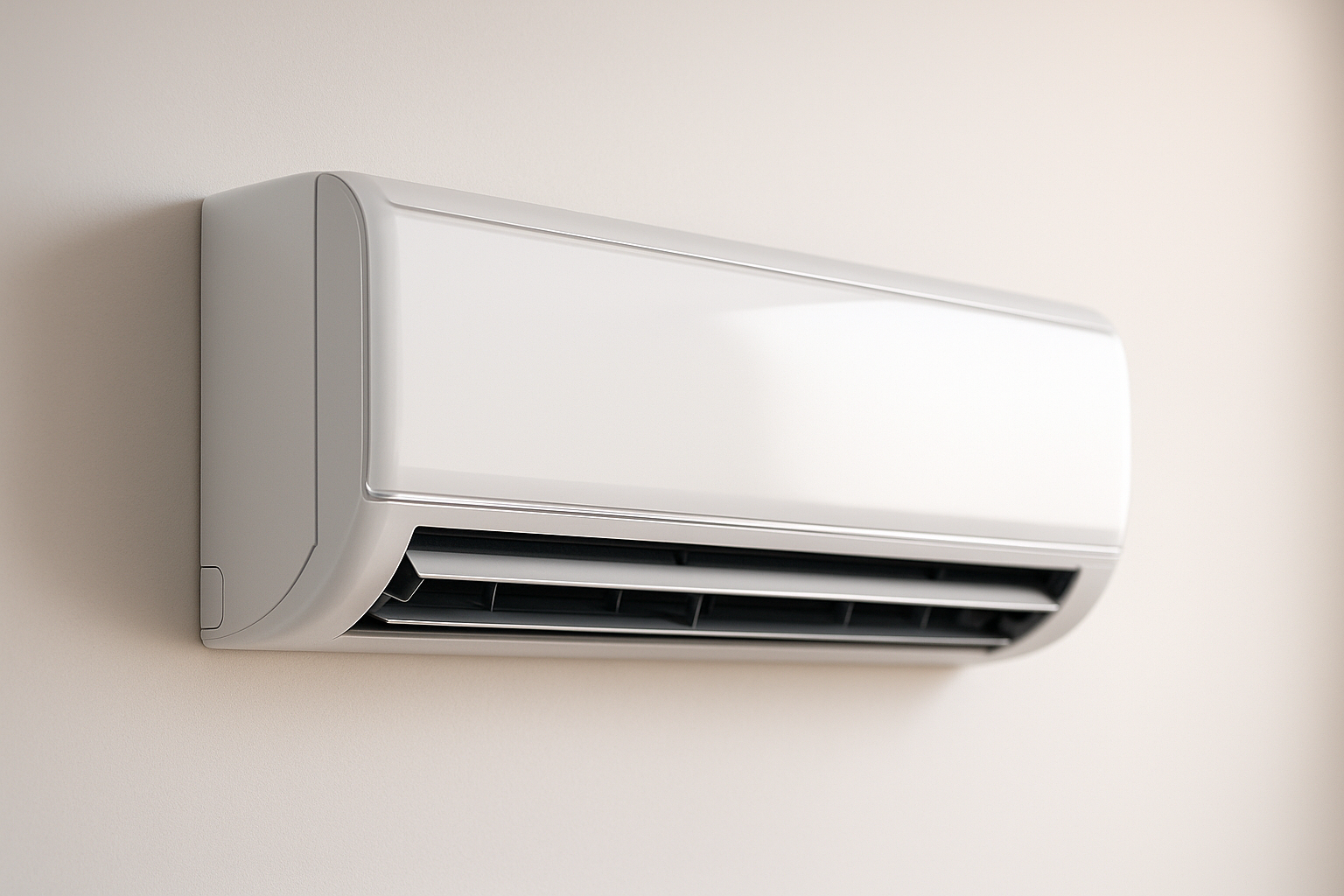
? Are you trying to find the sweet spot between comfort and lower energy bills for your home’s air conditioning?
Finding the most energy efficient air conditioner temperature for your home
You can significantly reduce your energy use without sacrificing comfort by setting the right temperature and using smart strategies. This article walks you through research-backed temperatures, practical tips, technology options, and simple calculations so you can make the best choices for your home.
Why your air conditioner temperature matters
Your thermostat setting has a direct impact on energy consumption, monthly bills, and how hard your system works. Lower setpoints make the compressor run longer and more often, increasing electricity use and wear on the equipment.
Even small changes in thermostat settings can lead to measurable savings, and the right balance also promotes better indoor humidity control and comfort. You’ll learn how to set and manage your thermostat to get both comfort and efficiency.
How energy use scales with temperature
Every degree you raise the thermostat in cooling season typically reduces cooling energy use by about 1% to 3%, depending on climate, home insulation, and system efficiency. That means an increase of 3 to 5 degrees can yield double-digit savings for many homes.
Your actual savings depend on local climate, system type, and daily routines, so the percentages are approximate. Use them as a guideline while testing what feels comfortable for you.
The most energy efficient temperature for most homes
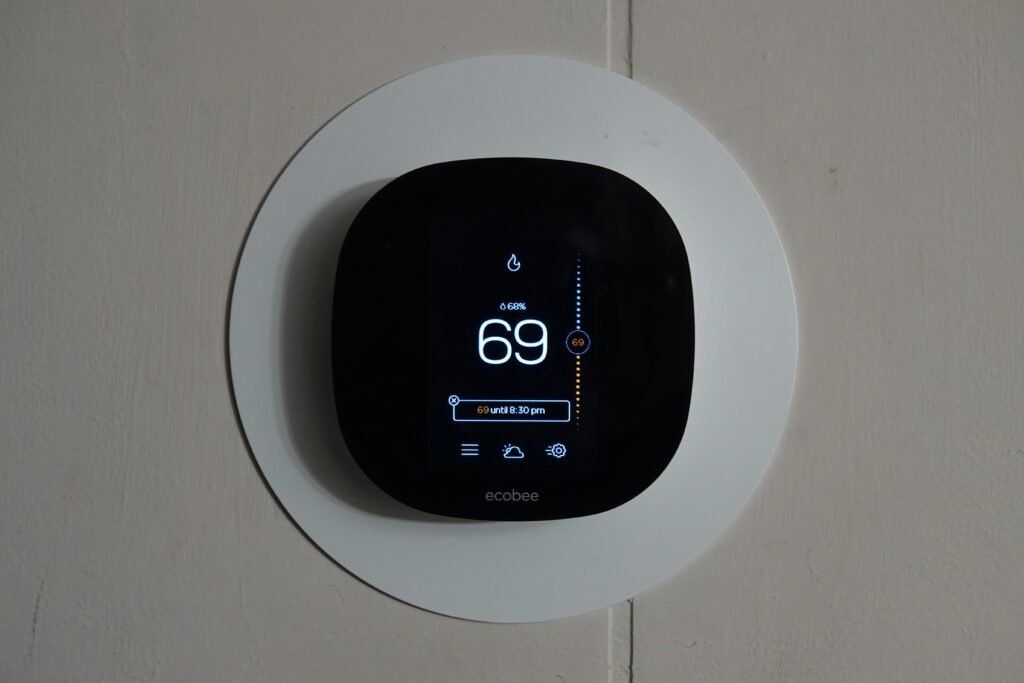
For many households, the most energy efficient air conditioner temperature while you are at home and awake is around 78°F (26°C). This setting balances comfort and savings in typical conditions.
If you prefer a cooler environment, increasing energy efficiency is still achievable by pairing a slightly lower setpoint with additional strategies like using fans or improving insulation.
Recommended temperatures by situation
Below is a quick guide you can follow for common scenarios. These recommendations aim to minimize energy use while maintaining reasonable comfort.
| Situation | Recommended Temperature (°F) | Recommended Temperature (°C) | Notes |
|---|---|---|---|
| Home, awake, active | 75–78°F | 24–26°C | Use ceiling fans to feel cooler without lowering the thermostat. |
| Night, sleeping | 72–74°F | 22–23°C | Slightly cooler sleeping temps help many people sleep better; program thermostat for this. |
| Away for several hours | 82–86°F | 28–30°C | Raise thermostat by 4–8°F to save energy while you’re out. |
| On vacation (days) | 85–90°F | 29–32°C | Allow broader setback when no one is home for extended periods. |
| Elderly, infants, or medically vulnerable | 72–76°F | 22–24°C | Prioritize comfort and health; aim for stable temperatures and monitor humidity. |
How to choose the right setpoint for your household
Start with the general recommendation for your situation and adjust based on comfort, humidity, and how your home responds. Use a programmable routine and tweak it for specific times of day or rooms.
If someone in your household has medical needs, prioritize their comfort and consult a healthcare provider if uncertain about safe temperatures.
Programmable and smart thermostats: your efficiency allies
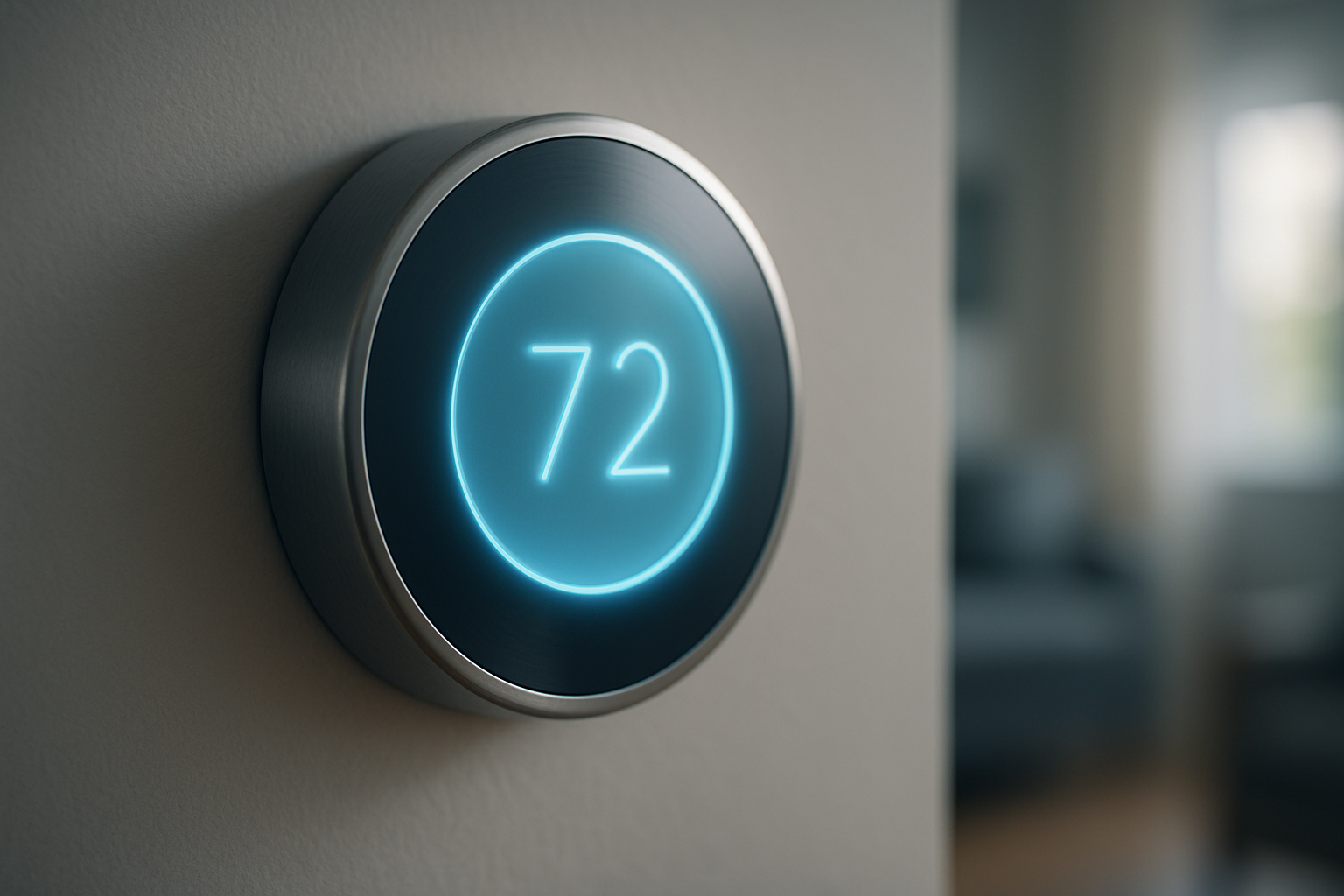
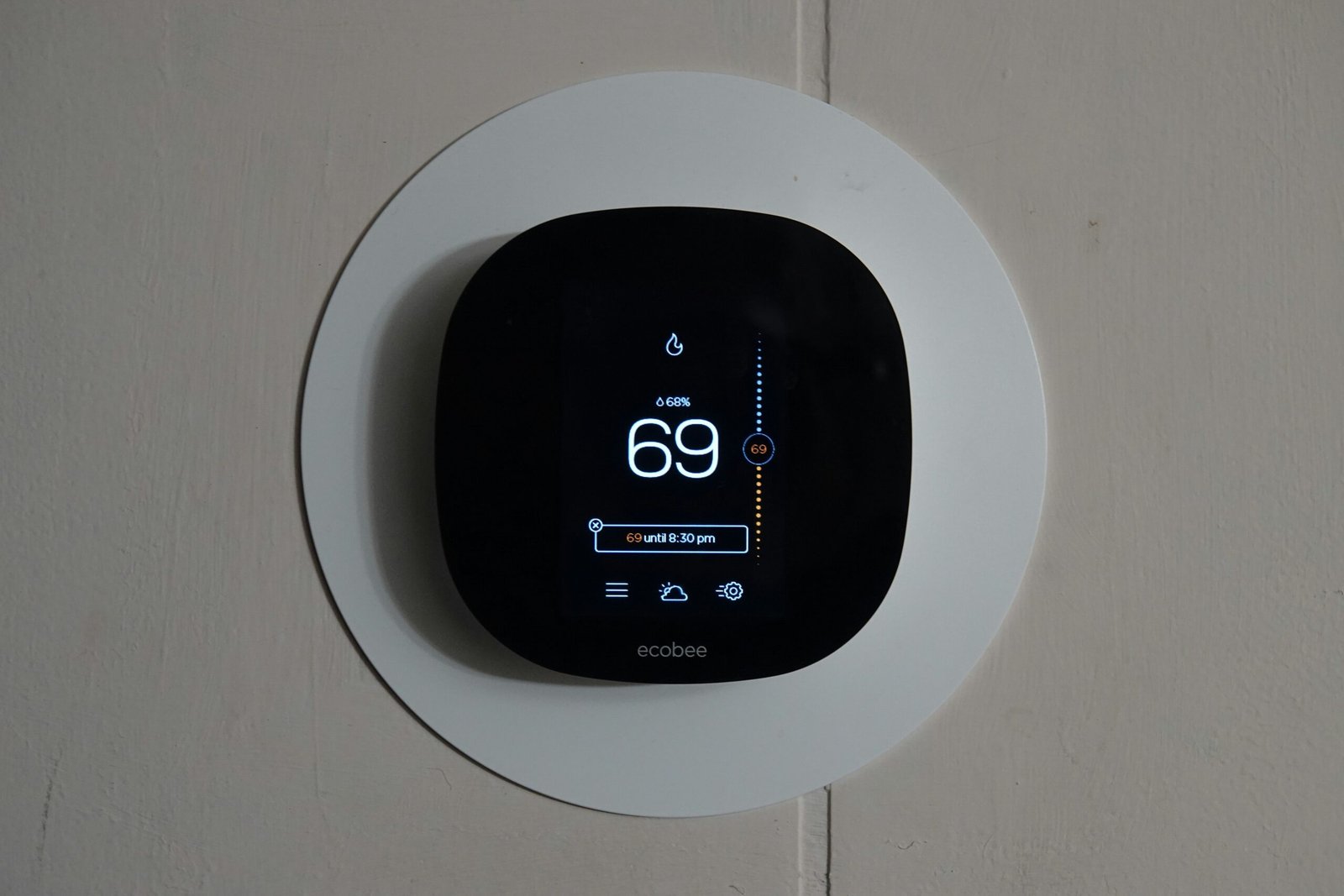
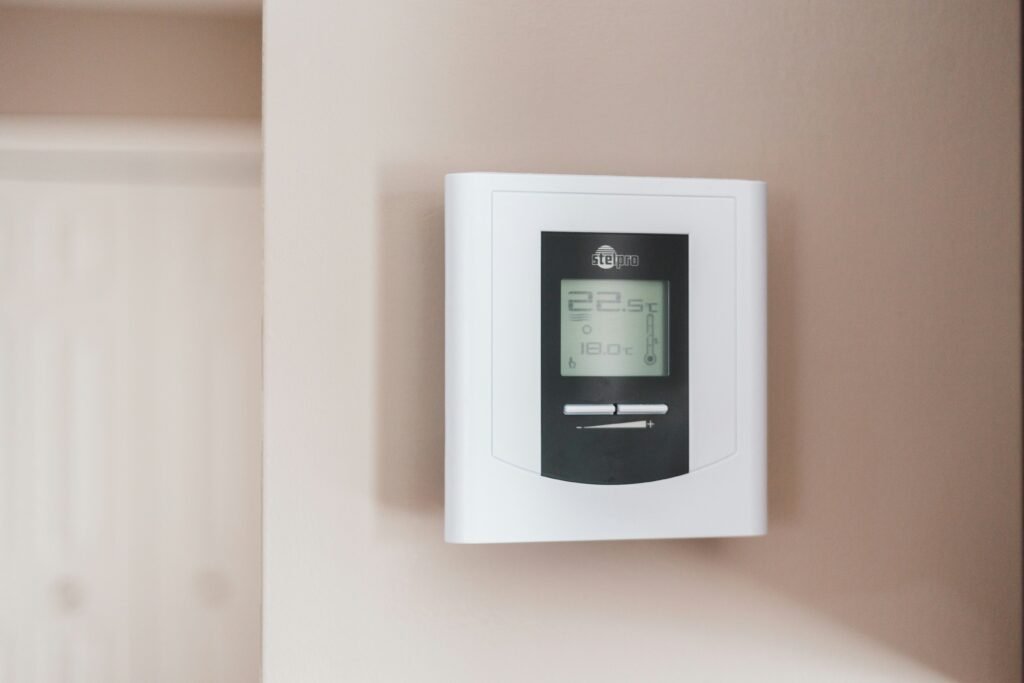
A thermostat that can learn your patterns or follow a schedule reduces waste by avoiding overcooling empty rooms. You should consider installing a programmable or smart thermostat if you don’t already have one.
Smart thermostats often offer features like geofencing, remote control, and energy reports that help you fine-tune settings and track savings.
Types of thermostats and what they offer
Here’s a compact comparison to help you choose:
| Thermostat Type | Key Benefits | Typical Savings | Best For |
|---|---|---|---|
| Manual (basic) | Low cost, simple | Minimal | Low-tech households or rentals |
| Programmable (7-day) | Schedules for each day | 5–15% | Families with regular routines |
| Smart (learning) | Auto-schedule, remote control, data | 10–20% | Tech-savvy users, varying schedules |
| Zoned thermostat systems | Control different areas separately | Varies, up to 30% | Large homes with inconsistent occupancy |
How to program your thermostat for efficiency
Set a higher temperature for times you’re away or asleep, and lower it shortly before you return or wake up. Use gradual setbacks rather than abrupt changes to avoid system strain.
If you have a heat pump, follow manufacturer guidelines for setback amounts to prevent inefficiencies or backup heating activation. Always test different schedules to see how your home responds.
Use fans and humidity control to improve perceived comfort
Air movement makes you feel several degrees cooler, so pairing fans with a higher thermostat setting can keep you comfortable while using less energy. You should run ceiling fans only when people are in the room, as fans cool people, not rooms.
Humidity affects comfort far more than most people realize. Lower indoor humidity makes higher temperatures feel more pleasant, and your air conditioner helps by removing moisture as it cools.
Best practices for fans and humidity
Use ceiling fans at moderate speeds and turn them off when you leave the room. Portable fans can be positioned to improve cooling in targeted areas without lowering the thermostat.
Dehumidifiers can be effective in very humid climates, but they add energy use. Balance dehumidification needs by using your AC efficiently, sealing leaks, and ventilating appropriately when outdoor humidity is lower.
Zoning, vents, and airflow: make your system work smarter
Uneven cooling often drives people to overcool the whole house to address one warm room. You should balance airflow, close vents in unused rooms, and fix airflow issues before lowering the thermostat.
Zoning systems or ductless mini-splits let you cool occupied areas selectively to save energy. If you rarely use certain parts of your home, consider targeted solutions.
Fix common airflow problems
Check and clean or replace filters every 1–3 months, keep supply registers clear of furniture, and make sure return vents are unobstructed. Seal and insulate ducts in attics and crawlspaces to prevent energy losses.
If you notice large temperature differences between rooms, consult an HVAC technician to inspect ductwork and recommend zoning or balancing options.
Insulation and windows: passive steps that reduce cooling load
Improving insulation and reducing heat gain through windows pay off all year. You should evaluate attic insulation, wall insulation, and window shading to reduce how hard your AC must work.
Even small upgrades, like reflective window film or thermal curtains, can lower indoor temperatures and reduce the need for very low thermostat settings.
Simple upgrades that help now
Install weatherstripping around doors and caulk window frames to stop air leaks. Add or upgrade attic insulation, and use programmable window coverings to block midday sun.
Consider planting shade trees or adding awnings on sun-facing sides of the house for longer-term reductions in solar heat gain.
Maintenance and system efficiency: keep your AC in top shape
A well-maintained unit runs more efficiently and lasts longer. You should schedule annual professional tune-ups and perform basic maintenance regularly.
Maintenance items include cleaning coils, checking refrigerant levels, verifying proper airflow, and ensuring thermostats are calibrated correctly.
Signs your air conditioner needs attention
Uneven cooling, rising energy bills, frequent cycling, and unusual noises are all signs to call a professional. Reduced airflow or water leaks around the unit indicate immediate attention.
Address problems promptly; procrastination typically increases energy costs and can lead to more expensive repairs.
Choosing the right size and type of air conditioner
An oversized air conditioner cools too quickly without removing humidity adequately, while an undersized unit runs continuously and cannot reach the setpoint efficiently. You should ensure your system is sized correctly for your home.
A Manual J load calculation done by a qualified HVAC contractor determines the correct size. If you’re replacing an old unit, don’t assume you need the same capacity.
Comparing system types
Split systems are common and efficient for many homes; heat pumps are efficient for moderate climates and provide heating in winter. Ductless mini-splits are excellent for room-by-room control and retrofits.
Each type has trade-offs in upfront cost, installation complexity, and operating efficiency; match the system to your home’s needs and climate.
How to estimate potential savings from thermostat changes
You can estimate savings by using the typical rule of thumb: 1%–3% savings per degree Fahrenheit raised. Apply that to your cooling portion of the energy bill to get a rough savings estimate.
Below is a simple example you can adapt with your utility costs and usage.
| Example scenario | Value |
|---|---|
| Monthly cooling portion of electricity bill | $150 |
| Temperature change (increase) | 4°F |
| Estimated percent savings per degree | 2% |
| Total estimated savings | 4°F × 2% × $150 = $12 per month |
How to refine your calculation
Track your energy usage before and after changes using energy monitoring tools or smart thermostat reports for more accurate results. Adjust assumptions for climate (hotter climates often see larger savings per degree) and house specifics.
Remember that savings are approximate and depend on behavior, thermostat type, and system efficiency.
Seasonal strategies: summer and shoulder seasons
You should adapt your thermostat and approach as seasons change. During very hot periods, small temperature adjustments may produce bigger savings due to more hours of cooling.
In shoulder seasons (spring and fall), take advantage of mild outdoor temperatures by opening windows and using fans instead of running the AC.
Using programmable schedules effectively across seasons
Set different schedules for summer and shoulder seasons. For example, during spring you might program the AC to run less frequently and rely more on natural ventilation, while summer schedules prioritize cooling during peak heat.
If you use a heat pump, program to prevent unnecessary backup heating during cool mornings and configure setbacks carefully to avoid emergency heat.
Health, pets, and special considerations
Some people—infants, elderly individuals, and those with certain medical conditions—require more stable, cooler temperatures. You should consult health professionals when setting temperatures for vulnerable occupants.
Pets may tolerate higher temperatures than humans but still need safe, cool spaces during heat waves. Provide shade, water, and a cooler room with a comfortable temperature.
How to keep vulnerable occupants safe and comfortable
Maintain a stable indoor temperature and ensure generator or backup power plans for long outages during extreme heat. Monitor indoor air quality and humidity to reduce heat-related health risks.
When in doubt, err on the side of slightly cooler settings for those with medical needs and avoid large temperature swings.
Smart habits that add up
Small behavior changes compound into meaningful savings. You should close blinds during peak sun hours, use kitchen and bath exhaust fans when needed, and delay heat-producing chores (oven, dishwasher) to cooler parts of the day.
Dress for the temperature—lighter clothing reduces the need for very low thermostat settings.
Daily habits checklist
- Close blinds or curtains during hot midday sun.
- Use ceiling fans when occupied and turn them off when leaving.
- Run major appliances during early morning or late evening.
- Keep doors closed between cooled and uncooled areas.
- Maintain a routine filter replacement and HVAC check-up schedule.
Troubleshooting common myths
There are many misconceptions about AC efficiency, such as the belief that it costs more energy to raise the temperature when you return home. You should know the facts to avoid counterproductive behaviors.
Modern systems do not use extra energy to return to a lower setpoint; you save energy overall by allowing reasonable setbacks.
Myth vs. reality table
| Myth | Reality |
|---|---|
| It uses more energy to cool down after a setback | False: total energy use is lower with setbacks; only the rate of cooling may be higher temporarily. |
| Lowering the thermostat cools the house faster | False: thermostat setting controls target temperature, not cooling speed; most systems run at full capacity regardless. |
| Turning AC off is better than setting a higher temp | Generally true for long absences; for short trips, higher setpoints are fine. |
Step-by-step: find the most efficient and comfortable temperature for your home
Follow this practical process to find the right balance for your household.
- Measure baseline: Track your current settings and energy use for two weeks.
- Choose initial setpoint: Start with 78°F (26°C) while home and active, and 72–74°F (22–23°C) for sleep.
- Add fans and humidity control: Use ceiling fans and dehumidification as needed.
- Monitor comfort: Adjust by 1°F increments over several days and note energy impacts.
- Program your thermostat: Create schedules for away, home, and sleep periods.
- Optimize building envelope: Seal leaks, shade windows, and improve insulation.
- Track results: Use utility bills or smart thermostat reports to measure savings.
- Fine-tune seasonally: Adjust for heat waves, humidity, and occupancy changes.
How long to test a setting
Give each thermostat adjustment at least a few days—ideally a week—to see how it feels and how it affects your utility bill. Short tests can be misleading because weather and occupancy vary day-to-day.
If you have a smart thermostat, use its historical data to speed up the testing and get better statistical confidence.
When to call a professional
If adjusting your thermostat and performing routine maintenance don’t improve efficiency, schedule an HVAC inspection. You should call a professional for refrigerant issues, compressor problems, electrical faults, and major duct repairs.
A regular professional tune-up can uncover small issues before they become expensive repairs or significant efficiency losses.
What to ask your HVAC technician
Ask for a Manual J load calculation if you suspect sizing issues, request duct leakage testing if you have high energy bills, and get a clear explanation of recommended repairs and their expected energy impact.
Request written estimates and prioritize fixes with the shortest payback or largest efficiency gain.
Frequently asked questions
You should be able to answer common concerns quickly to make decisions with confidence.
Q: Will setting the thermostat higher save money if I live in a humid climate?
A: Yes, but humidity makes higher temperatures feel warmer. Combine a modestly higher setpoint with fans and dehumidification for the best comfort-to-efficiency tradeoff.
Q: How much can I save in a year by changing thermostat habits?
A: Many households save 5%–15% or more annually with better thermostat scheduling and regular maintenance; your results will vary by climate and behavior.
Q: Are smart thermostats worth the investment?
A: Often yes, especially if your schedule varies or you want automatic adjustments. Savings and convenience typically justify the cost over a few years.
Final checklist for maximizing cooling efficiency
Use this concise checklist to apply what you’ve learned and start saving energy today.
- Set home temperature to about 75–78°F (24–26°C) while awake.
- Raise thermostat 4–8°F when away for several hours.
- Lower sleeping temperature slightly if desired, using a schedule.
- Use ceiling fans to enhance comfort and allow higher setpoints.
- Replace filters regularly and schedule annual HVAC maintenance.
- Seal leaks, add insulation, and shade windows to reduce heat gain.
- Consider a programmable or smart thermostat for automated savings.
- Track energy use and adjust based on real data.
Closing thoughts
You can achieve meaningful energy savings by setting your thermostat thoughtfully and combining temperature strategies with maintenance, airflow management, and home improvements. Small adjustments add up over time, and with consistent practices you’ll see a lower bill and a more comfortable home.
If you want, you can start by raising your thermostat one degree today and monitoring how much more comfortable you feel with a fan—this simple test will begin the process of finding the most energy efficient temperature for your home.