? Is your Lennox air conditioner giving you trouble right when you need it most?
Lennox Air Conditioner Troubleshooting Guide
This guide is designed to help you identify, diagnose, and often fix common Lennox air conditioner problems. You will get practical steps, safety guidance, tools lists, and clear indicators of when you can handle a repair yourself versus when to call a licensed HVAC technician. The language is user-friendly and written so you can follow the process even if you are not mechanically inclined.
Safety first
Before you start any troubleshooting, safety comes first. You will be working around electricity, moving parts, and refrigerant, all of which can be dangerous if not handled properly.
Always shut off power to the air conditioner at the service disconnect or main breaker before accessing the unit. Use insulated tools, wear safety glasses and gloves, and avoid touching terminals or wiring with bare hands. If you are uncomfortable with electrical work, refrigerant handling, or opening sealed components, stop and contact a professional.
Tools and supplies you will need
Having the right tools saves time and reduces the chance of accidental damage. The following table lists common tools and supplies that are useful for residential AC troubleshooting.
| Tool / Supply | Purpose |
|---|---|
| Multimeter (voltage/ohm) | Check voltage, continuity, and capacitors |
| Screwdrivers and nut drivers | Open access panels and disconnects |
| Adjustable wrench and socket set | Remove nuts and bolts |
| Needle-nose pliers and wire cutters | Handle wiring and connectors |
| Fin comb | Straighten condenser coil fins |
| Shop vacuum / wet-dry vacuum | Clear drain lines and clean debris |
| Soft brush and coil cleaner | Clean evaporator and condenser coils |
| Flashlight | Inspect dark areas inside the unit |
| Thermometer or infrared thermometer | Measure supply/return air and compressor temperatures |
| Replacement fuses, capacitor, contactor (spare) | Common parts for quick repairs |
| Notebook and camera | Record readings and take photos for reference |
Make sure fuses and replacement parts you buy are compatible with Lennox model specifications. If you do not know the model number, it is usually on a label on the outdoor condenser or indoor air handler.
How a Lennox air conditioner works — basics you should know
Understanding the basic components will make troubleshooting easier. A typical central air conditioner has:
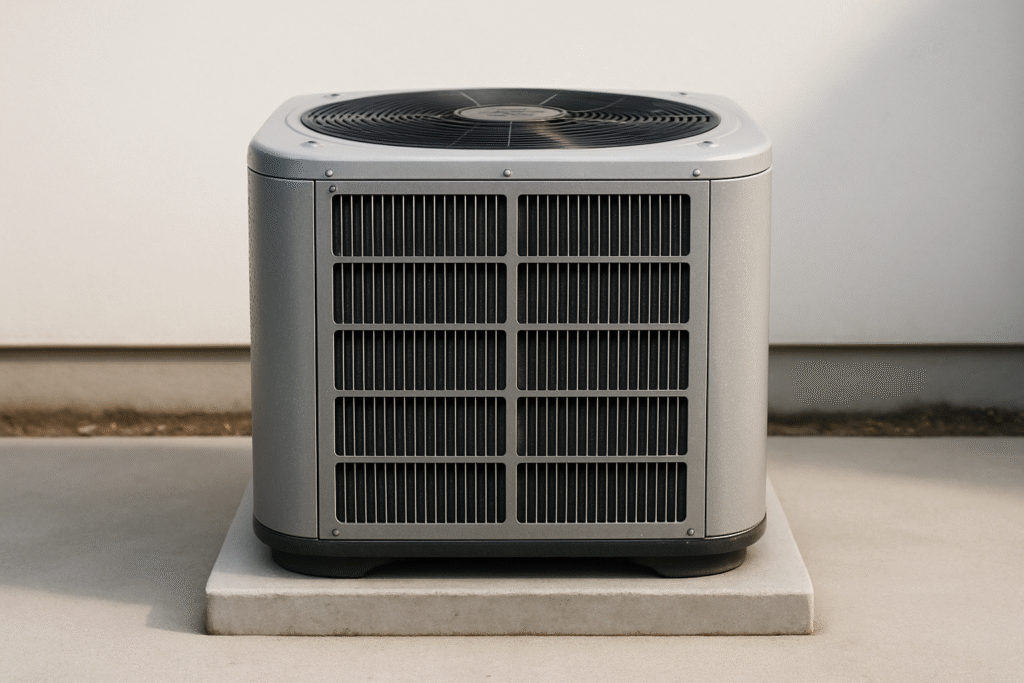
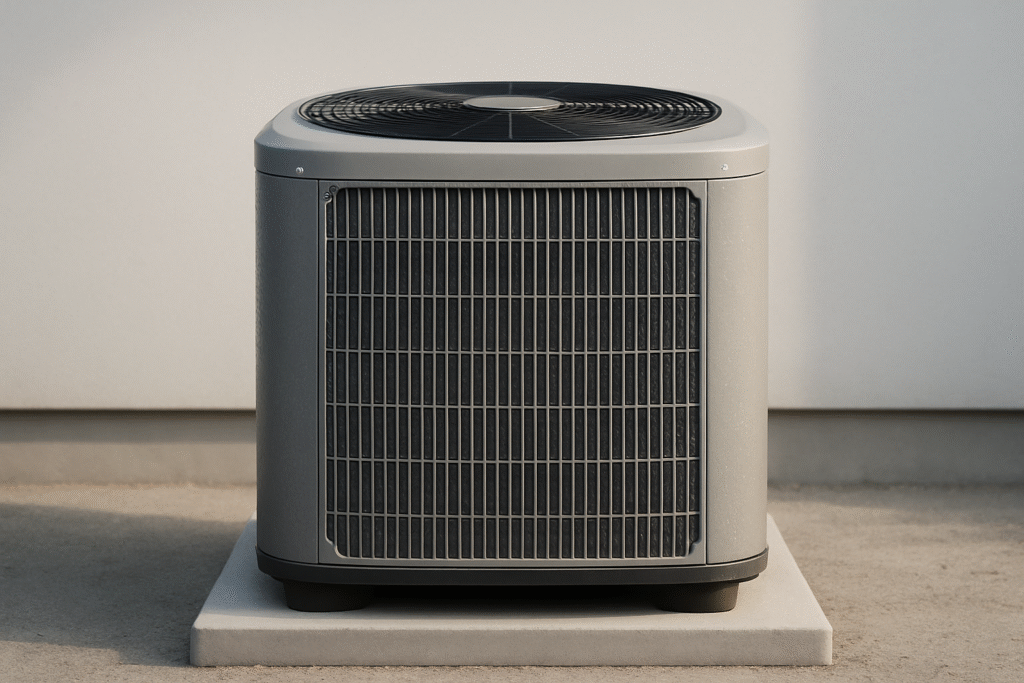
- An outdoor unit (condenser) containing the compressor, condenser coil, and condenser fan.
- An indoor unit (air handler or furnace) containing the evaporator coil, blower, and drain pan.
- A thermostat that controls the system.
- Refrigerant lines connecting indoor and outdoor units.
- Electrical components like the capacitor, contactor, fuses, and control board.
The system cycles refrigerant to move heat from inside your home to the outdoor unit. If any part of this chain fails — airflow, electrical control, refrigerant level, or mechanical parts — cooling will be affected. When you understand which part controls which function, you can isolate likely causes faster.
General troubleshooting flow — a simple 6-step process
When a problem appears, follow these steps in order to avoid unnecessary work and to protect yourself and the system.
- Confirm the symptom: document what you see, hear, and smell. Note when it started and any recent events (storms, power outage, service).
- Check power and thermostat: verify breakers, fuses, service switches, and thermostat settings.
- Visually inspect the unit: look for debris, ice buildup, leaking water, or burned wires.
- Verify airflow and filters: check indoor filters, vents, and outdoor coil cleanliness.
- Run electrical checks: measure voltages, test capacitors, and check contactor operation.
- Evaluate refrigerant and mechanical parts: look for leaks, check compressor operation, and listen for unusual sounds.
Following a methodical flow prevents you from chasing symptoms instead of causes.
Quick troubleshooting reference table
This table gives a fast look-up for common symptoms and immediate things to check. Use it as your first triage tool.
| Symptom | Likely causes | Quick checks you can do | Possible DIY fixes |
|---|---|---|---|
| Unit not turning on | Power off, thermostat, blown fuse | Check breakers, disconnect, thermostat batteries | Reset breaker, replace fuse, replace thermostat batteries |
| Short cycling (turns on/off quickly) | Oversized unit, low refrigerant, thermostat, compressor overheating | Check thermostat setting, feel refrigerant lines, inspect condenser airflow | Clean condenser, replace thermostat, call for refrigerant check |
| Poor cooling | Dirty filter, blocked vents, low refrigerant, failing compressor | Check filter, return vents, measure supply temp | Replace filter, clear vents; if refrigerant-related, call tech |
| Frozen evaporator coil | Restricted airflow, low refrigerant, faulty blower | Check/replace filter, ensure blower runs, measure suction line temp | Replace filter, clear blockages; call for refrigerant or compressor issues |
| Outdoor unit runs but indoor fan off | Blower motor or control board issue | Check indoor breaker, listen for blower, check capacitor | Replace capacitor or blower motor (if comfortable) or call pro |
| Loud grinding or screeching | Motor bearings, fan blade rubbing | Inspect fan blades and motor mounts | Tighten, replace fan motor or bearings (professionally if needed) |
| Water leaking indoors | Clogged condensate drain, cracked pan | Inspect drain line, test condensate pump | Clear drain with vacuum or bleach solution, replace pump if failed |
| High energy bills | Dirty coils, aging unit, stuck contactor, thermostat | Inspect coils, check cycling frequency, verify thermostat schedule | Clean coils, replace thermostat with programmable model, schedule maintenance |
Troubleshooting: Unit will not turn on
If your Lennox condenser or entire system does not power up, start simple and work up to more complex checks.
- Check the thermostat: Make sure it is set to COOL and the temperature is lower than room temperature. Replace batteries if the display is dim or blank.
- Check breakers and switches: Locate the outdoor service disconnect (usually near the condenser) and the breaker in your main panel. Reset any tripped breakers and ensure the disconnect is on.
- Check the indoor unit switch: Some furnaces or air handlers have a power switch inside a small removable panel by the blower. Ensure this switch is on.
- Inspect fuses and control board: If there is no power to the control board, a blown fuse or failed transformer may be the cause. Replace fuses of the same rating only.
- Test the thermostat wiring: Use a multimeter to check for 24VAC control voltage at the thermostat connector (R and C terminals). If missing, trace wiring for a blown transformer or broken wire.
If breakers trip immediately when you try to start the condenser, do not continue. This suggests a shorted compressor or motor and requires a professional diagnosis.
Troubleshooting: Short cycling (frequent on/off)
Short cycling reduces comfort and increases wear on the compressor. It is critical to stop short cycling quickly.
Common causes:
- Oversized system
- Low refrigerant charge
- Faulty thermostat wiring or placement (near heat sources)
- Failing compressor or motor overheating
- Clogged air filter or blocked airflow
What you can check:
- Ensure filters are clean and vents are open.
- Verify thermostat placement is not near a heat source or in direct sunlight.
- Listen to the unit: if it starts and then shuts off within a few minutes, watch the contactor — is it moving? Does the compressor attempt to run?
- Check refrigerant line temperatures: a very cold suction line and warm discharge line can indicate low refrigerant.
If you suspect refrigerant or compressor overheating, call a licensed HVAC technician. Both require specialized tools and certification.
Troubleshooting: Poor cooling or warm air
If the system runs but does not cool well, there are several likely causes — many you can check yourself.
- Air filters: Dirty filters restrict airflow and reduce cooling. Replace or clean filters monthly during heavy use.
- Thermostat settings: Confirm fan is set to AUTO, not ON. If fan is ON, the system circulates room air without cycling the compressor.
- Vents and registers: Make sure supply and return vents are open and unobstructed.
- Condenser coil: Dirt, grass, or debris on the outdoor condenser reduces heat transfer. Gently clean fins with a soft brush and spray with a hose (low pressure).
- Evaporator coil: A very dirty evaporator coil can block cooling. This often requires a technician to access and clean properly.
- Refrigerant level: Low refrigerant reduces cooling capacity and may indicate a leak. Refrigerant work must be done by a licensed technician.
- Ductwork issues: Leaky, undersized, or poorly insulated ducts reduce efficiency. Check accessible duct runs for visible gaps and air leaks.
If you confirm adequate airflow and thermostat settings and still have poor cooling, contact an HVAC pro to test refrigerant pressures and diagnose the compressor.
Troubleshooting: Frozen evaporator coil or refrigerant line
If you find ice on the indoor coil or refrigerant lines, stop the system and follow these steps.
- Turn off the compressor but keep the indoor fan running to melt the ice faster.
- Check and replace dirty air filters that restrict airflow.
- Inspect the blower motor to ensure it is running and producing proper airflow.
- Confirm the condenser is clear of debris and the fan runs.
- After ice has melted, check for continual freezing — this suggests low refrigerant or a stuck metering device. Both are not DIY fixes.
Because frozen coils often point to refrigerant issues or metering device problems, call a certified technician for leak detection and repair.
Troubleshooting: Outdoor unit runs but indoor blower will not
If your outdoor unit is running but you have no airflow inside, the issue is usually the indoor blower system.
- Check the blower power: Verify the indoor unit breaker and switch are on.
- Check the thermostat fan setting: If the thermostat is set to COOL but the fan is not running, the control board may be failing.
- Inspect the blower capacitor: A weak or failed capacitor often prevents the blower motor from starting. Use a multimeter to test capacitance or swap with a known good capacitor of the same rating.
- Check the blower motor: Listen for humming or clicking without the fan spinning — this can indicate a seized motor or worn bearings.
- Check the control board and relays: If voltage is present at the blower motor terminals when the thermostat calls for cooling, but the motor does not run, the motor likely needs replacement.
Replacing a blower motor or capacitor is possible for many DIYers, but ensure you disconnect power and properly discharge capacitors before handling.
Troubleshooting: Loud or unusual noises
Noises are one of the first clues to mechanical problems. Different sounds suggest different issues.
- Rattling: Loose panels, fan guards, or debris. Tighten panels and clear debris.
- Buzzing or humming: Electrical issues such as failing contactor, relay, or transformer. Check for loose connections and contactor pitting.
- Grinding: Worn motor bearings in the fan or blower. This usually requires motor replacement.
- Screeching: Fan blade rubbing against housing or failing motor bearings. Inspect fan blade alignment and motor mount.
- Clicking: Contactor opening and closing under load; if it clicks rapidly, it could be short cycling or a weak capacitor.
If you hear metallic scraping or loud knocks, shut down the system and do not run it until a technician inspects it.
Troubleshooting: Water leaking from the indoor unit
Indoor leaks are often caused by condensate system issues rather than refrigerant problems.
- Clogged condensate drain: Remove the access panel and use a wet-dry vacuum at the drain access point to clear blockages. Flushing with a mix of water and a small amount of bleach can help prevent algae build-up.
- Cracked drain pan: Older plastic pans may develop cracks. If the crack is small, temporary sealing can help, but replacement is best.
- Condensate pump failure: If the unit uses a pump to move condensate to a drain, test the pump by manually activating the float switch or pouring water into the pan. Replace the pump if it does not run.
- Improper pitch: Check that the drain line has a downward slope and is not kinked.
Address leaks promptly to avoid mold growth and water damage.
Troubleshooting: Thermostat issues
The thermostat is the user interface for the system but is often the source of complaints.
- Incorrect settings: Ensure mode is COOL, temperature setpoint is lower than room temp, and fan is set to AUTO.
- Dead batteries: Replace batteries if the display is dim or non-responsive.
- Calibration issues: If the thermostat reads room temp much higher or lower than reality, adjust its location or consider replacing it.
- Wiring problems: Loose or corroded wires at the thermostat or control board can prevent operation. Turn off power and check connections.
- Smart thermostat communication: For Lennox iComfort or other communicating thermostats, verify Wi-Fi and system link; sometimes a reset of the thermostat or hub can restore communication.
Many thermostat problems are simple fixes, but if you are replacing a thermostat, document wiring colors and terminal labels to ensure a correct reconnection.
Troubleshooting: Capacitor and contactor checks
The start/run capacitor and the contactor are common small components that cause big headaches.
- Capacitors: A failed capacitor can prevent motors (compressor, condenser fan, or blower) from starting. Symptoms include humming motors and no spin, or slow spinning. Test with a meter that measures capacitance or have a technician test. Replace only with same microfarad (µF) rating and voltage.
- Contactor: The contactor is an electromechanical switch that supplies high voltage to the compressor and fan. If the contactor is not engaging, check 24VAC at the coil when the thermostat calls for cooling. If coil has voltage but contactor does not pull in, replace contactor. If contactor pulls in but drops out, there may be a weak coil or shorted contacts.
Always discharge capacitors before handling and observe correct safety procedures.
Troubleshooting: Refrigerant leaks and pressures
Refrigerant issues almost always require a licensed technician due to regulations and safety concerns.
- Signs of leaks: Progressive loss of cooling, oil residue on fittings, frost on suction line, or an obvious kinked line.
- If you suspect a leak: Stop adding refrigerant as a long-term fix. A recharge without repair will just mask the problem and eventually fail again.
- Pressure checks: A technician will use gauges to check suction and discharge pressures against manufacturer specifications for your Lennox model. This identifies undercharge, overcharge, or mechanical issues.
- Leak detection methods: Technicians use electronic leak detectors, UV dye, or bubble solution to find leaks. Repair and proper evacuation/recharge is needed following EPA guidelines.
If you smell refrigerant (sweet or ether-like odor) or see oil stains, turn off the system and call a certified HVAC tech.
Troubleshooting: Electrical tests you can perform safely
If you are comfortable with a multimeter, some basic electrical checks can reveal faults.
- Check 24VAC control voltage: Measure between R and C at the thermostat or control board. You should see approximately 24VAC when power is on.
- Check line voltage: With the disconnect off, you can measure incoming power at the outdoor unit (usually 240VAC for single-stage residential systems). Only perform this if you are experienced and comfortable with high voltage.
- Test capacitor: Many multimeters can test capacitance. Compare to the printed µF value; tolerance is usually ±6–10%.
- Check continuity of fuses: A blown fuse will show open; replace with same rating.
- Test contactor coil: Measure resistance across the coil; an open coil indicates failure.
If you are unsure or do not have proper PPE, do not perform high-voltage tests — call a professional.
Preventive maintenance checklist (seasonal tasks you can do)
Regular maintenance prevents many of the problems listed above. Make these tasks part of your seasonal routine.
- Replace or clean air filters every 1–3 months.
- Clean outdoor condenser fins and remove debris weekly during heavy foliage periods.
- Clear at least 2–3 feet of clearance around the outdoor unit for airflow.
- Inspect condensate drains and flush with water or mild bleach solution quarterly.
- Check thermostat batteries twice a year and verify schedule settings.
- Keep vents and registers clean and unobstructed.
- Schedule a professional tune-up annually to check refrigerant, lubricate motors, test motors and capacitors, and inspect electrical connections.
Preventive maintenance extends equipment life and lowers energy bills.
When to call a Lennox-certified technician
You should call a licensed professional in these situations:
- Any refrigerant work (leak detection, recharging, or circuit brazing).
- Compressor failure or suspected motor burnout.
- Persistent electrical tripping or burning smells.
- Complex control board failures or communication issues in Lennox communicating systems (iComfort).
- Major mechanical repairs or when the unit requires tools or gauges beyond your equipment.
- If you are uncomfortable with any of the steps above.
Choosing a certified Lennox technician is a good idea for warranty coverage and model-specific expertise.
Typical part costs and repair considerations
Repair costs vary by region and labor rates, but you can use these rough estimates to plan:
| Repair / Part | Typical DIY cost (parts only) | Typical professional repair cost (parts + labor) |
|---|---|---|
| Air filter | $5–$30 | N/A |
| Contactor | $20–$80 | $150–$400 |
| Run/Start capacitor | $15–$80 | $150–$350 |
| Blower motor | $100–$400 | $400–$900 |
| Condenser fan motor | $100–$400 | $300–$800 |
| Refrigerant recharge (minor) | Not DIY (requires certification) | $150–$600+ depending on type and leak repair |
| Compressor replacement | Not DIY recommended | $1,000–$3,000+ depending on system size and replacement complexity |
| Control board | $100–$400 | $300–$900 |
| Condensate pump | $30–$150 | $150–$400 |
Factor in age: for systems older than 10–15 years, major repairs may approach the cost of replacement. Consider system SEER ratings and long-term energy savings when deciding.
Model-specific notes: Lennox features and communicating systems
Lennox offers several product lines, including standard split systems and more advanced communicating systems (iComfort-enabled). You should check your model number and any error codes in the manual.
- iComfort/communicating systems: These systems exchange digital information between thermostat and air handler. Communication errors often require a reset or firmware update by a certified technician.
- Variable-speed compressors and ECM blower motors: These components provide efficiency and comfort but are more complex. Symptoms like inconsistent fan speeds or strange error codes usually need professional diagnostic tools.
- Lennox ComfortSense thermostats: These support diagnostic indicators and control settings that can guide troubleshooting. Check the thermostat menu and system status for error messages.
Always refer to your specific model manual for exact procedures and error code interpretation.
Common Lennox thermostat/controller error indications
Different Lennox thermostats may display codes or messages. If your unit has error codes, write them down and cross-check with the manual. Common messages include communication fault, sensor fault, and system lockouts. If you see a persistent error that you cannot resolve with power cycling or resetting, contact Lennox support or a certified dealer.
Note: Because code definitions can vary by model and firmware, do not rely solely on internet lists—always consult your model documentation or technician.
Frequently asked questions (FAQs)
Q: Can I recharge refrigerant myself? A: No. Refrigerant handling is regulated and requires certification in many jurisdictions. Incorrect charging can damage the compressor and reduce efficiency. Hire a licensed HVAC technician.
Q: How long should a Lennox air conditioner last? A: With proper maintenance, a central air conditioner typically lasts 12–20 years. Climate, usage, and maintenance frequency affect lifespan.
Q: How often should I replace the air filter? A: Replace typical disposable filters every 1–3 months. High-efficiency or pleated filters may last longer but check monthly during heavy use.
Q: Can a dirty outdoor coil cause the compressor to fail? A: Yes. A dirty condenser coil forces the compressor to work harder, increasing heat and wear, which can lead to failure.
Q: Is it normal for the outdoor unit to be noisy for a short time after startup? A: A brief noise during startup (contactor pull-in, fan spin-up) is normal. Persistent loud noises indicate an issue.
Q: Why is my electric bill higher after running the AC? A: Causes include dirty coils, clogged filters, failing parts, poor insulation, thermostat settings, or deteriorating system efficiency. A service tune-up can identify energy drains.
Glossary of key terms
- Compressor: The heart of the refrigeration cycle; it pumps refrigerant through the system.
- Evaporator coil: Located indoors; absorbs heat from indoor air.
- Condenser coil: Located outdoors; releases heat to the outside air.
- Contactor: Electromechanical switch that connects high-voltage power to the compressor and fan.
- Capacitor: Stores and releases electrical energy to help motors start and run.
- SEER: Seasonal Energy Efficiency Ratio, indicates system efficiency.
- Refrigerant: The working fluid in the cooling cycle (e.g., R-410A in many newer systems).
- Differential pressure: Difference between supply and return; used when testing airflow.
Troubleshooting summary checklist (quick action steps)
- Verify thermostat settings and batteries.
- Check breakers and disconnects.
- Replace dirty air filter and check vents.
- Inspect outdoor condenser for debris and fan operation.
- Listen for abnormal noises and watch for rapid cycling.
- Look for ice on refrigerant lines or evaporator coil.
- Check condensate drain and pan for clogs.
- If electrical or refrigerant issues are suspected, stop and call a professional.
Final thoughts and next steps
You can solve many Lennox AC issues with systematic checks: confirm basic settings, ensure power, maintain airflow, and visually inspect key components. Keep a maintenance log with dates of filter changes, cleanings, and any service calls — this helps technicians diagnose problems faster when you need professional help.
If your troubleshooting points to electrical faults, refrigerant leaks, compressor failure, or complex control system errors, book a service appointment with a licensed, Lennox-certified technician. They have the tools, training, and parts to get your system back to reliable operation while protecting warranties and ensuring safe handling of refrigerant and high-voltage components.
If you want, provide your Lennox model number and a clear description of the symptom (what you see, hear, smell, and when it occurs), and you will get more targeted troubleshooting steps and likely causes.