Have you ever wondered how much you could save on taxes by upgrading to an energy-efficient air conditioner and what you need to do to claim that credit?

Energy Efficient Air Conditioner Tax Credit Explained
This article explains what an energy efficient air conditioner tax credit is, how it typically works, and what you should check before you buy and install a qualifying unit. You’ll find practical steps, documentation tips, example calculations, and resources so you can pursue tax savings with confidence.
What is an energy efficient air conditioner tax credit?
A tax credit for energy-efficient air conditioners reduces your federal tax bill dollar-for-dollar when you meet qualifying requirements. Instead of a rebate that lowers the purchase price at the store, a tax credit is applied when you file your income tax return and can significantly reduce the net cost of an upgrade.
Why governments offer tax credits for efficient ACs
Tax credits are a policy tool used to encourage lower energy consumption and reduce greenhouse gas emissions by making efficient equipment more affordable. By offering credits, governments aim to accelerate market adoption of higher-efficiency products and lower overall electricity demand during peak seasons.
Who typically qualifies for the credit
Most federal credits are aimed at homeowners who own and occupy their primary residence in the United States. You’ll usually need to be the owner of the property where the improvement is installed and use the property as your primary home to qualify.
Limitations on qualifying properties and ownership
Rental properties, vacation homes, and second homes are often excluded from certain homeowner-focused credits, though other incentives may exist for rental units or commercial properties. If you’re a landlord, check for other programs or state incentives that might apply to rental upgrades.
Income and tax liability considerations
You must have federal tax liability to benefit fully from a nonrefundable credit; that means the credit reduces the tax you owe but typically won’t generate a refund beyond your tax liability. Some credits are refundable or have carryforward provisions, but you should confirm the exact nature of the credit for the tax year when you plan to claim it.
Which air conditioners qualify
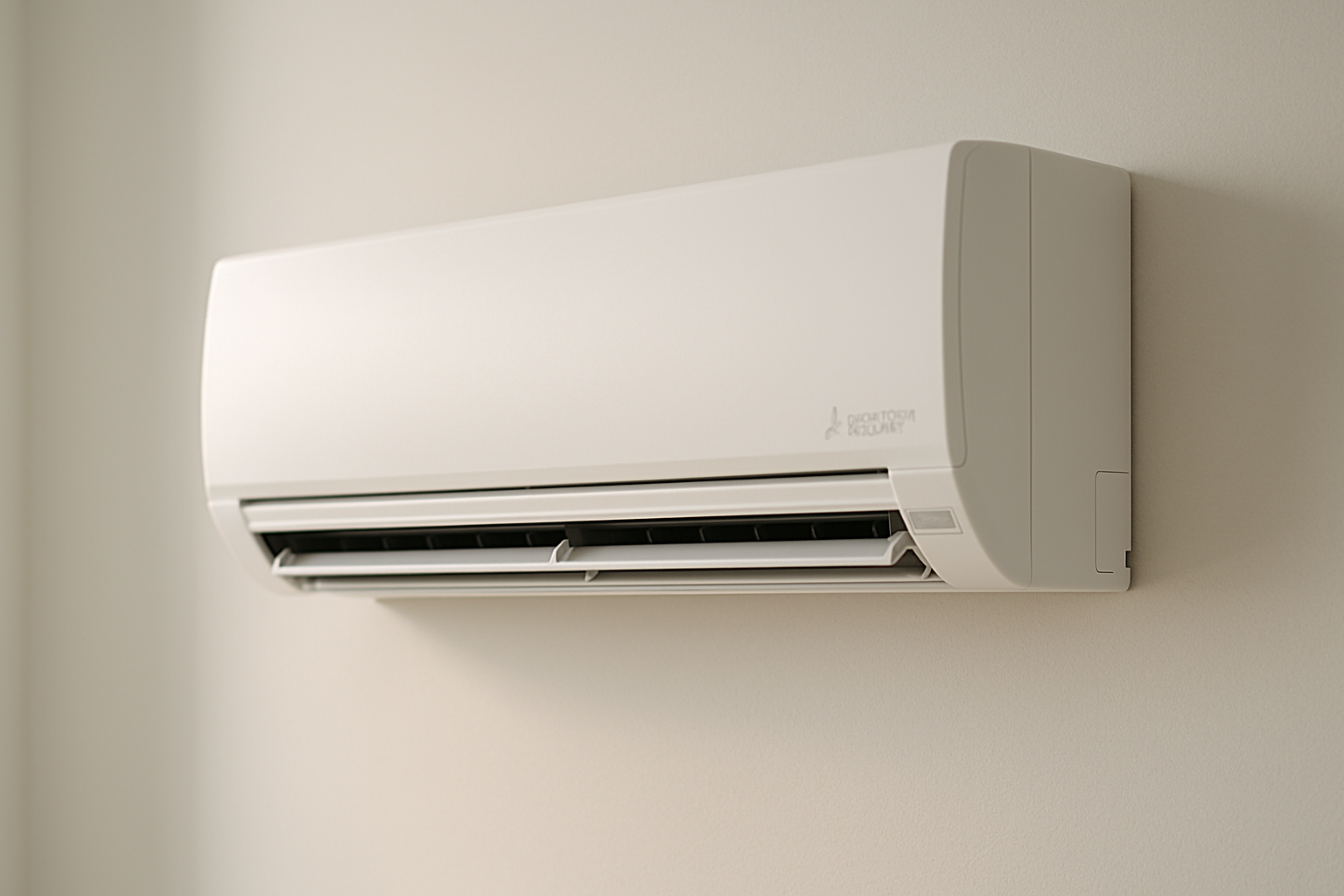
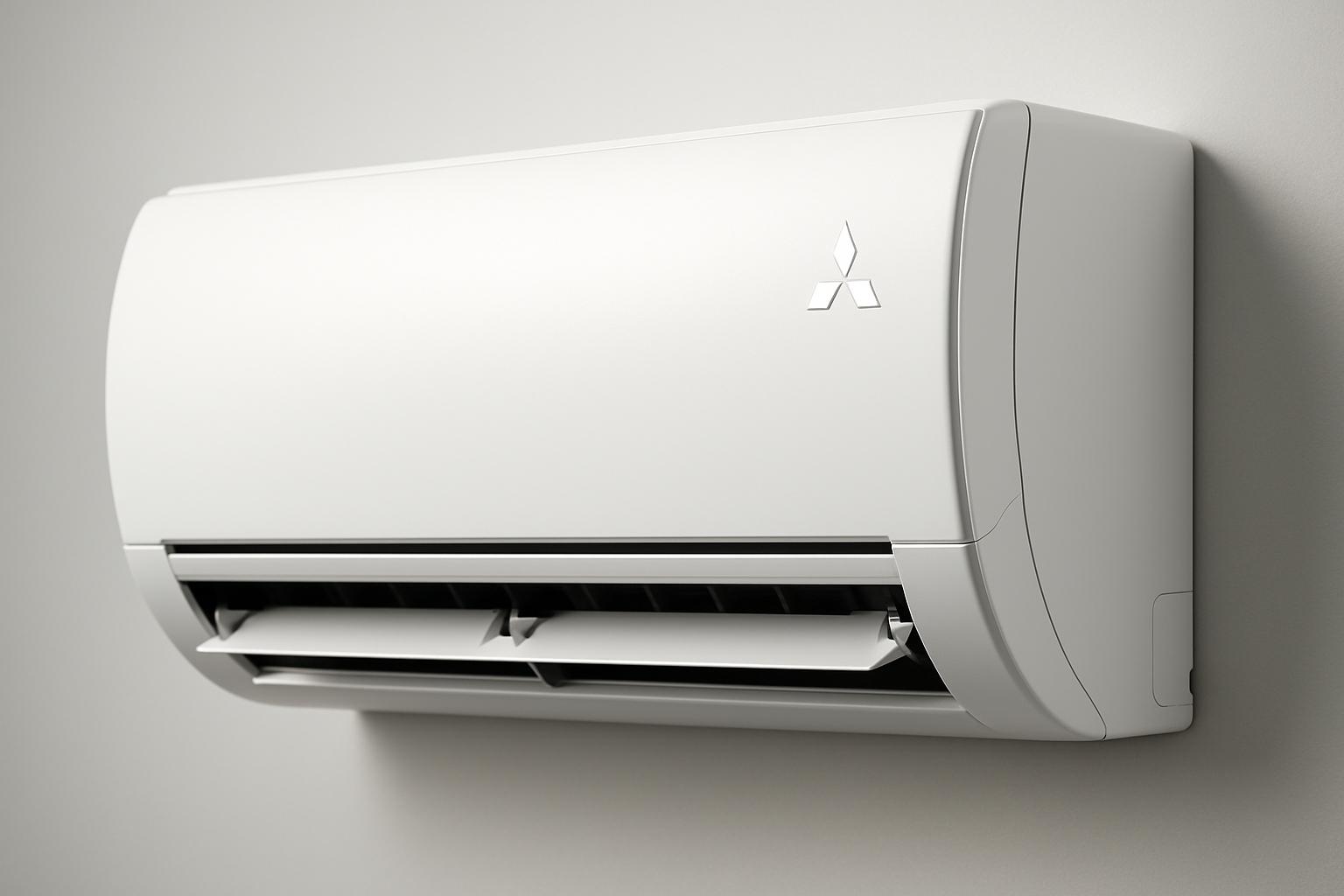
Qualifying air conditioners are generally central AC systems, heat pumps, or other equipment that meet efficiency thresholds and product certifications like ENERGY STAR. The specific eligibility criteria vary by program and tax year, so you should confirm product lists and rating requirements before buying.
Efficiency ratings you should know (SEER, EER, HSPF)
You’ll see ratings such as SEER (Seasonal Energy Efficiency Ratio), EER (Energy Efficiency Ratio), and HSPF (Heating Seasonal Performance Factor) on equipment. Higher numbers indicate better efficiency, and the tax credit program may require minimum ratings or qualify only units that meet specific thresholds.
Certifications and manufacturer statements
Many credits require that the product be certified or listed as qualifying under a government or ENERGY STAR database. You may also need a manufacturer’s certification statement confirming the model meets the required efficiency level—save that statement with your other tax records.
Federal versus state and utility incentives
Federal tax credits are only one piece of the puzzle; you should also check state, local, and utility rebates that may stack with federal benefits. Combining a federal credit with a utility rebate or state tax credit can substantially reduce your net cost.
How state and local incentives differ
States and utilities may offer upfront rebates, point-of-sale discounts, or additional tax credits that target specific technologies or income groups. These incentives often have separate application processes and eligibility rules that run alongside federal rules.
Where to find state and utility offers
Use tools like the Database of State Incentives for Renewables & Efficiency (DSIRE) and your local utility’s website to search for current rebates and incentives. Some utilities require pre-approval or a specific contractor to qualify for rebates, so check early in your purchasing process.

How to document purchases and installations
Good documentation makes claiming a tax credit straightforward and defensible in case of an audit. Keep invoices, manufacturer certification statements, proof of payment, and records of the property where the unit was installed.
Receipts and manufacturer certifications
You’ll want the itemized receipt that shows the model number, purchase price, and installation costs, plus the manufacturer’s certification that the equipment meets qualifying standards. Store digital copies and hard copies in a tax folder so you can retrieve them easily when filing.
Installation records and contractor invoices
If you hire a contractor to install the system, keep the contract, final invoice, and proof of payment. Some credits require licensed professional installation or proof that the contractor followed specific installation standards, so confirm those details before work begins.
How to claim the tax credit on your federal return
You’ll usually report the credit on your federal tax return using the appropriate IRS form for residential energy credits. The process includes entering the qualified expenses and computing the allowable credit amount for the tax year.
Typical forms and lines you’ll use
Historically, homeowners have used IRS Form 5695 to claim residential energy credits; that form guides you through reporting qualified improvements and computing the credit. Always use the most recent IRS instructions and forms for the tax year in which you claim the credit, because forms and sections can change.
What to enter and common pitfalls
Make sure you only include eligible expenses and do not double-claim the same expense under multiple programs. Also confirm whether installation labor for the unit is part of the eligible expense; some credits include installation labor while others do not.

Example calculation: how the credit reduces your cost
Seeing a practical example helps you understand how credits affect your net outlay. Below is a hypothetical calculation to illustrate the basic mechanics of a tax credit.
Example scenario and numbers
Assume you purchase and install a qualifying central air conditioner at a total cost of $6,000. If you qualify for a tax credit that covers 30% of eligible costs (note: percentages vary by program and year), the credit would theoretically be $1,800. That $1,800 would reduce the federal tax you owe by that amount, lowering the net cost of the system.
Example table: purchase, credit, and net cost
| Item | Amount |
|---|---|
| Total purchase & installation | $6,000 |
| Hypothetical credit (30%) | $1,800 |
| Net cost after credit | $4,200 |
Note: This table is an illustrative example. You should verify exact credit rates, caps, and eligible cost definitions for your tax year and situation.
Tips to maximize the credit and avoid surprises
Planning the purchase and installation with the credit rules in mind can help you capture the maximum benefit while avoiding mistakes that disqualify you. Consider timing, contractor selection, and paperwork.
Timing of purchase and installation
Credits are generally claimed in the tax year when the qualifying equipment is placed in service (installed and operational) in your home. If you purchase before year-end but installation occurs in the next tax year, you typically claim the credit in the year installation completes. Coordinate purchase and installation timing if claiming the credit matters for your tax planning.
Selecting the right contractor or installer
Pick a licensed, reputable contractor who understands energy efficiency requirements and can provide the certifications and documentation you’ll need. Ask the contractor in advance for the manufacturer certification statement, a detailed invoice, and confirmation that the installed model meets qualifying efficiency thresholds.

Common mistakes to avoid
Errors in following eligibility requirements or missing documentation can cause you to lose all or part of your credit. Being aware of common pitfalls helps ensure you claim accurately and confidently.
Relying solely on advertising claims
Marketing materials and store labels might claim “energy efficient” without meeting the specific criteria required by the tax credit program. Check official lists and product specifications rather than relying only on sales pitches.
Misunderstanding eligible costs
Some programs limit eligible costs to the equipment only, while others include installation labor. Don’t assume installation is included; confirm with IRS guidance and program rules.
Interaction with other tax incentives and programs
Some homeowners combine federal tax credits with state rebates, utility incentives, or manufacturer promotions. While combination can reduce costs further, you must ensure compliance with each program’s rules and avoid double-counting expenses.
When incentives stack and when they don’t
You can often use utility rebates and manufacturer incentives in addition to federal tax credits, but make sure each program allows stacking and that you don’t apply the same expense twice. Keep careful records showing how each incentive was applied.
Effect on tax basis and depreciation
If you claim a tax credit for an energy-efficient improvement and later sell your home or claim depreciation (for instance, if the property becomes rental), rules may require adjustments to the tax basis. Consult a tax professional for detailed guidance, especially if you plan to rent or sell soon after installation.

State and local rules that might affect your claim
States and local governments sometimes have additional credits, rebates, or tax rules that interact with federal incentives. You should research your jurisdiction’s offerings and restrictions.
Examples of state programs and typical rules
States may offer a combination of direct rebates, tax credits, or performance-based incentives that reward high-efficiency installations. These programs can vary widely in eligibility requirements, available funding, and application procedures.
Finding accurate local information
Contact your state energy office, local utility, or check DSIRE for a curated list of incentives. Utility customer service representatives can also confirm whether a pre-approval or specified contractor is required.
Energy performance vs. tax qualification: what to choose
High-efficiency equipment can lower your bills and may qualify for credit, but you should weigh product efficiency, installation quality, and overall system sizing to maximize savings. A properly sized, efficiently installed system delivers more reliable energy savings than an oversized or poorly installed high-SEER unit.
Importance of proper sizing and ductwork
Even the most efficient equipment performs poorly if the system is oversized or ducts are leaky. Make sure your contractor performs a load calculation (Manual J) and addresses duct sealing and insulation to realize the expected efficiency benefits.
Considering long-term energy savings
Look beyond the tax credit to ongoing utility bill savings, maintenance costs, and expected lifespan when choosing an AC. A thoughtful long-term view helps you pick the right product and capture both immediate tax benefits and future cost savings.
How to verify a model’s qualification before buying
Confirm qualification before you purchase by checking official lists, manufacturer literature, and certification databases. This step prevents selecting a nonqualifying unit and experiencing disappointment at tax time.
Databases and official qualification lists
Agencies and programs may publish lists of qualifying models or provide search tools based on model number. Use these resources to verify your intended purchase meets all current criteria.
What to ask the dealer or manufacturer
Ask for the specific model number’s certification, a manufacturer statement of qualification, and any applicable product datasheets. Request written confirmation that you can keep with your receipt for tax filing.
Practical checklist before you file
A simple checklist helps ensure you have everything needed to claim the credit without delays or mistakes. Use the checklist to organize your documents and confirm eligibility.
Recommended checklist table
| Item | Why it matters |
|---|---|
| Itemized receipt showing model number and total costs | Verifies purchase and eligible expenses |
| Manufacturer certification statement | Confirms model meets efficiency criteria |
| Installation invoice and proof of payment | Shows placement in service and labor costs (if eligible) |
| Proof that the property is your primary residence | Supports eligibility for homeowner-focused credits |
| Copies of utility or state rebate approvals | Prevents double-claiming and documents stacking |
| Tax form(s) completed (e.g., Form 5695) and supporting worksheets | Required for claiming on your return |
Frequently asked questions (FAQ)
The FAQ section tackles common concerns and short questions you’re likely to have as you consider claiming a credit.
Can you claim a credit if you install the unit yourself?
Sometimes yes, but you’ll still need manufacturer certification and receipts for equipment purchases. Installation labor may not qualify if you perform the work yourself, so check program rules for inclusion of labor costs.
Will a window or portable unit qualify?
Many federal credits focus on central systems and whole-home upgrades like heat pumps; portable and small window units are less commonly eligible. Look up the specific program requirements to see whether small packaged units are included.
What if the credit exceeds my tax liability?
Nonrefundable credits generally reduce your tax bill to zero but don’t produce a refund beyond that. Some credits may have carryforward provisions or refundable components—confirm how the particular credit is structured for your tax year.
Do you need to include installation labor in eligible expenses?
This varies. Some credits include labor for on-site assembly and installation of qualifying property while others limit eligibility to equipment costs only. Check the official IRS guidance and program documents.
Working with a tax professional
If your situation is complex or you’re unsure how the credit fits into your overall tax picture, working with a tax preparer can save time and reduce risk. A professional can also advise on state interactions and long-term tax implications.
When to consult a CPA or tax advisor
Consult a professional if you have rental properties, business use, fluctuating income, or expect to sell the home shortly after improvements. They can advise on basis adjustments, depreciation interactions, and whether you should accelerate or defer claiming the credit.
What to bring to your tax appointment
Bring your receipts, manufacturer certification statements, installation invoices, utility rebate documentation, and any contractor certifications. Provide the tax preparer with as much documentation as possible to ensure accurate filing.
Final considerations before buying
Before you commit to a purchase, weigh the total financial picture: upfront cost, available credits and rebates, projected utility savings, and installation quality. A well-planned purchase that meets credit requirements can yield meaningful dollar savings and comfort improvements.
Balancing immediate and long-term benefits
A tax credit can offset a portion of the initial investment, but you’ll also want to factor long-term energy savings into decision-making. Choose a system sized and installed for peak performance to realize both tax and utility benefits.
Stay current on rules and deadlines
Tax rules and incentive programs change periodically, so check the latest IRS guidance and local program rules for the tax year in which you claim the credit. If you’re planning an upgrade, confirm the current rules before purchase and installation.
Quick summary and next steps
You now understand the basics of how a tax credit for an energy-efficient air conditioner works, what typically qualifies, how to document purchases, and what to check before filing. Your next steps should be to verify up-to-date federal requirements, check state and utility incentives, and gather documentation before the installation concludes.
Actionable next steps
- Verify current federal credit rules for the tax year you plan to claim.
- Confirm product qualification using manufacturer statements and official databases.
- Check state and local rebates and pre-approval requirements.
- Choose a qualified contractor who provides complete documentation.
- Keep all receipts and certification statements for your tax records.
If you’d like, you can tell me the model or program you’re considering and I’ll help you check typical qualification points and documentation you should request from the seller or installer.