What temperature setting will give you the best balance between comfort and the lowest possible energy use in your home?
Achieving the Most Efficient Air Conditioner Temperature for Comfort
You want your home to feel comfortable without wasting energy or spending more than necessary on cooling. This guide explains how to choose and manage the most efficient air conditioner temperature so you can save money and stay comfortable.
Why the right temperature matters
Choosing the correct temperature affects both your comfort and your utility bills. Every degree change on the thermostat can shift energy use significantly, so knowing the most efficient air conditioner temperature helps you control costs and environmental impact.
Energy vs comfort: the trade-off
You’ll always be balancing thermal comfort and energy consumption when setting your thermostat. Lower temperatures increase comfort in hot weather but raise energy use, so finding a reasonable middle ground matters.
Thermodynamic basics in plain language
When your AC works, it removes heat from indoor air and expels it outside. The larger the temperature difference between inside and outside, the harder your AC has to work, increasing run time and energy use.
The most efficient air conditioner temperature: general recommendations
There’s no single perfect number for every situation, but there are widely recommended settings that balance comfort and efficiency. For many homes, a good baseline is 78°F (about 25.5°C) when you’re at home and awake.
Recommended temperature ranges by situation
These ranges help you aim for efficient comfort in different circumstances. Adjust based on humidity, personal comfort, and local climate.
| Situation | Efficient temperature range |
|---|---|
| Home and active (daytime) | 75–78°F (24–26°C) |
| Home and sleeping (night) | 72–75°F (22–24°C) or use programmable setback |
| Away from home (working/errands) | 78–82°F (26–28°C) |
| Vacation or extended absence | 82–85°F (28–29°C) |
| Humid climates (if dehumidified) | 75–78°F (24–26°C) with dehumidifier support |
Why 78°F is often cited
Setting your thermostat to 78°F in summer strikes a common compromise: it keeps people generally comfortable while reducing the cooling load compared to lower settings. If you prefer cooler air, try combining a slightly higher setpoint with other comfort strategies rather than lowering the thermostat.
How thermostat settings affect energy consumption
Each degree you lower the thermostat means your air conditioner has to remove more heat. Over a season, that can translate into substantial increases in energy consumption and cost.
Energy savings per degree
A common rule of thumb is that you can save around 3–5% of cooling energy for each degree you raise the thermostat over typical comfortable settings. Your actual savings depend on your system, insulation, and climate.
Thermostat setbacks and programmable savings
Using a programmable thermostat to raise the temperature when you’re away and lower it when you’re home can cut waste. If you automatically keep the home warmer during the day while you’re at work and cool it before you return, you’ll avoid unnecessary run time.
Humidity’s role in comfort and efficiency
You’ll feel warmer when humidity is high, even at the same temperature. Managing humidity can allow you to set your thermostat a bit higher without feeling less comfortable.
How humidity affects perceived temperature
When humidity drops, sweat evaporates more easily and your body cools better, so you can tolerate slightly higher temperatures. Conversely, high humidity makes a room feel warmer and clammy.
Dehumidification strategies
If humidity is a problem, use your AC’s dehumidification mode, a dedicated dehumidifier, or improve ventilation. Lower humidity can allow you to use higher thermostat setpoints and still feel comfortable.
Thermostat types and what they mean for efficiency
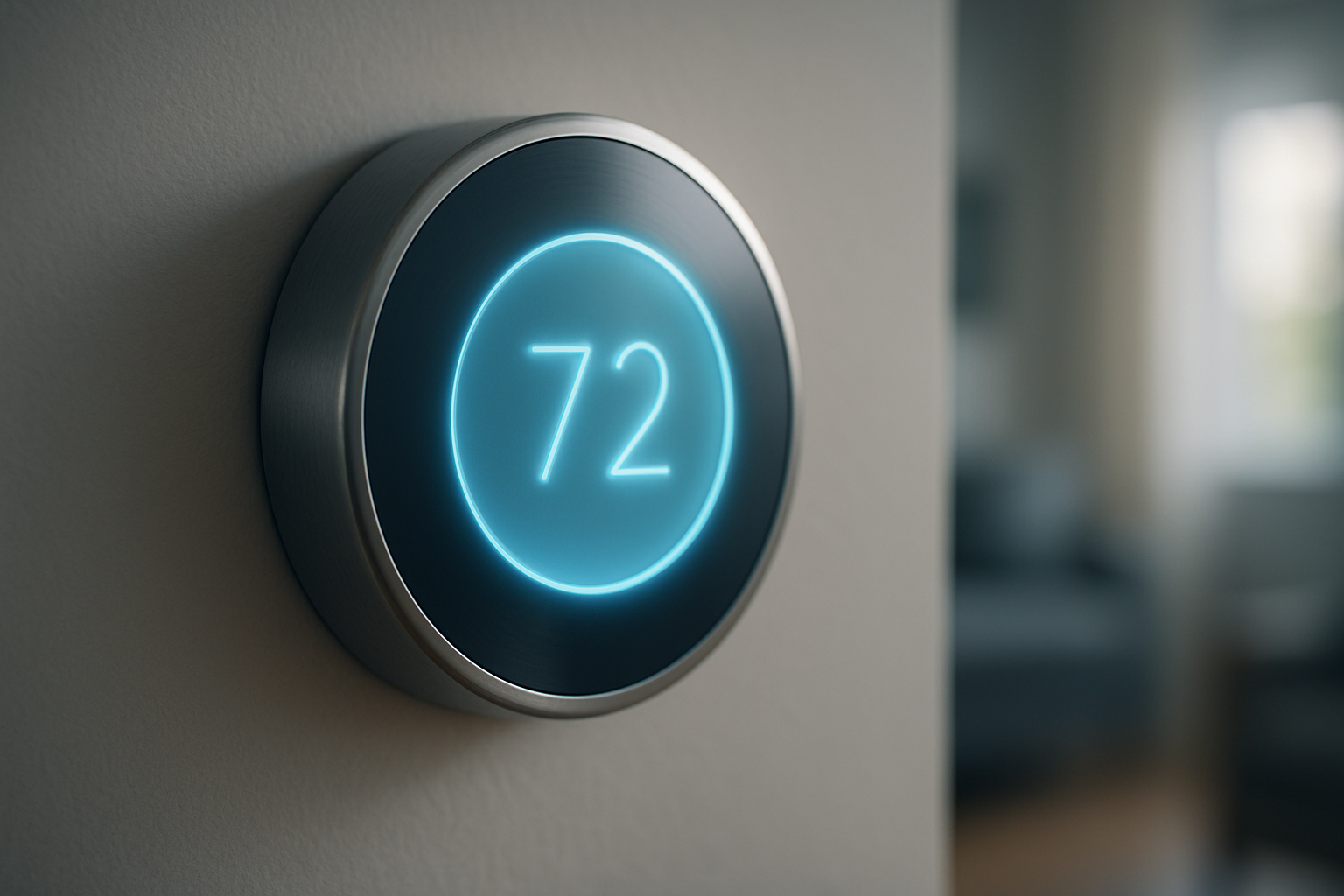
The thermostat you choose affects how well you can control temperature and save energy. Mechanical or basic digital thermostats are limited, while programmable and smart thermostats offer advanced efficiency features.
Manual thermostats
Manual thermostats require you to adjust settings by hand, so they’re prone to human error and less efficient if you forget to raise the temperature while away. They’re simple but don’t maximize savings.
Programmable thermostats
Programmable models let you set schedules for different times of day — morning, daytime, evening, and night. This allows you to automatically raise temperature when you’re out and cool before you return, improving overall efficiency.
Smart thermostats
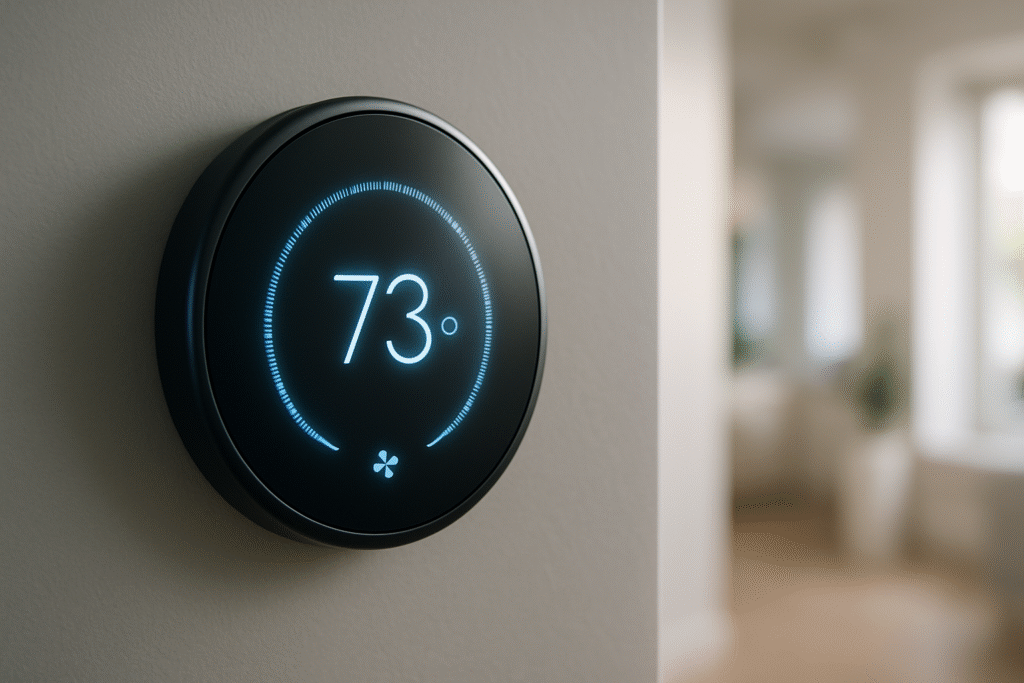
Smart thermostats learn occupancy patterns, adapt to weather data, and allow remote control through apps. They can provide the best savings because they reduce the need for manual intervention and can optimize based on your habits.

Zoning and multi-room strategies
If different parts of your home get different sun exposure or are used at different times, zoning helps you control temperature more efficiently.
What zoning accomplishes
Zoning divides your HVAC system into separate areas with individual temperature controls. This prevents you from cooling unused rooms and concentrates energy where it matters most.
Practical zoning tips
If you can’t install a full zoning system, use portable fans, close vents and doors in unused rooms, and keep bedroom doors closed at night to focus cooling where you sleep.
Proper sizing and maintenance of your air conditioner
An efficient temperature is only effective if your AC is sized and maintained properly. An oversized or undersized system wastes energy and reduces comfort.
Importance of correct sizing
An oversized AC cools your home quickly but short-cycles, which can reduce dehumidification and efficiency. An undersized AC runs continuously without reaching your setpoint. Ensure your system matches your home’s cooling load.
Maintenance tasks that help efficiency
Regularly replace or clean filters, seal ducts, keep condensers clear of debris, and schedule annual professional tune-ups. Proper maintenance helps your AC reach setpoints with less energy.
Insulation, air sealing, and windows
Your thermostat struggles if your house leaks air or lacks insulation. Addressing building envelope issues helps maintain a stable indoor temperature with less cooling energy.
How insulation helps
Good insulation slows heat entering your living space, meaning your AC needs to run less to maintain the setpoint. Adding insulation in attics and walls can be one of the most effective long-term efficiency measures.
Window strategies
Use shading, reflective films, blinds, or curtains to limit solar heat gain. South- and west-facing windows are especially important during summer afternoons.
Using fans to increase comfort without overcooling
Fans move air and increase evaporative cooling on your skin, allowing you to raise the thermostat without feeling warmer. Ceiling fans are especially effective.
Fan vs AC interaction
Fans cool people, not rooms. Turn fans off when you leave a room to save energy. While fans use electricity, they draw much less power than an AC and can let you set a higher thermostat temperature.
Optimal fan use
Aim to set ceiling fans to rotate counterclockwise in summer to push cool air down. Combine fan use with a higher thermostat setting to save energy while staying comfortable.
Nighttime temperature strategies
Sleep comfort often has different requirements than daytime comfort. Aligning your night temperature strategy with how you sleep can reduce energy use without sacrificing restful sleep.
How temperature affects sleep
Many people sleep better in cooler conditions, typically between 60–67°F (15–19°C), but personal preference varies. Instead of lowering your AC drastically, use light bedding, breathable pajamas, or a fan to find comfort.
Programmable night setbacks
If you prefer cooler sleeping temperatures, program your thermostat to lower the setpoint during typical sleep hours and raise it again when you wake to save energy.
Away, vacation, and setback settings
When you’re not home for hours or days, you can afford to let the temperature rise. Setting a conservative setback reduces wasted cooling while protecting your home and possessions.
Short absences (hours)
If you’ll be away for a few hours, raising the thermostat by 4–6°F is usually safe and saves energy without needing recovery cooling. You’ll avoid unnecessary run time while you’re gone.
Longer absences (days)
For vacations, set your AC high enough to prevent humidity and heat damage but low enough to protect furnishings and pets if present. Typically aim for 82–85°F (28–29°C) depending on climate and humidity.
Calculating cost and savings: practical examples
Seeing numbers can help you decide the most efficient air conditioner temperature for your goals. Below is a simplified example to estimate potential savings from raising your thermostat.
Example cost table
Assume an air conditioner uses 3.5 kW of power while running, electricity costs $0.15/kWh, and the AC runs on average 8 hours/day at a given setpoint.
| Scenario | Run hours/day | kW | Cost per hour ($) | Daily cost ($) | Notes |
|---|---|---|---|---|---|
| Baseline at 74°F | 10 | 3.5 | 0.525 | 5.25 | Lower setpoint → more run time |
| Efficient setpoint 78°F | 8 | 3.5 | 0.525 | 4.20 | Higher setpoint → lower run time |
| Savings per day | — | — | — | 1.05 | About 20% daily energy reduction in this example |
| Monthly savings (30 days) | — | — | — | 31.50 | Multiply by number of cooling months |
This simplified example shows how a modest thermostat adjustment can add up over time. Your system’s power draw and run hours will differ.
Factors that change the math
Local electricity rates, AC efficiency (SEER rating), insulation, and outdoor temperature all influence actual savings. Use your billing history and smart thermostat data for more precise calculations.
Common myths about thermostat settings
There are several misconceptions that can lead you to inefficient behavior. Addressing these helps you make better choices.
Myth: Lower setpoint cools your home faster
Lowering the thermostat below your desired temperature won’t speed up cooling; the AC runs at the same capacity and will turn off once the temperature reaches the setpoint. Start at your target instead of overshooting.
Myth: Turning AC off wastes more energy than leaving it on
Completely turning the AC off when you’re away for extended periods is usually more efficient than leaving it on continuously. For short absences, small setbacks are fine. Use programmable schedules to manage this without hassle.
Practical tips to feel cooler without lowering the thermostat
You can often increase your thermostat by a few degrees and still feel comfortable with a few behavioral and environmental changes.
Clothing and hydration
Wear lightweight, breathable fabrics and stay hydrated. These simple changes help your body regulate temperature and can reduce the need for lower thermostat settings.
Localized cooling
Use personal fans, cooling pillows, or damp washcloths for targeted cooling. Cooling the body locally is much less energy-intensive than cooling the entire house.
Seasonal maintenance and pre-season checklist
A few routine tasks before the cooling season starts will help your AC operate efficiently and keep your chosen temperature affordable.
Pre-season checklist
Inspect and replace filters, clear debris around the outdoor unit, check refrigerant levels with a professional, clean evaporator and condenser coils, and confirm thermostat calibration. These actions improve performance and efficiency.
Mid-season reminders
Check filters every 1–3 months and ensure vents are unobstructed. If you notice reduced cooling or rising bills, schedule a professional inspection.
Upgrades that improve temperature efficiency
If you’re considering investments to lower cooling costs, certain upgrades deliver long-term benefits and let you maintain comfort with less energy.
High-efficiency AC units and variable-speed compressors
Modern units with higher SEER ratings and variable-speed compressors adjust output to match demand, using less energy during partial-load conditions and providing more precise temperature control.
Insulation, window upgrades, and reflective roofing
Investing in insulation, double-pane or low-emissivity windows, and cool roofing reduces heat gain and reduces the load on your AC, so you can maintain comfort at higher thermostat settings.
Troubleshooting if you can’t reach your set temperature
If your home won’t reach the temperature you set, there are typical causes you can check before calling a technician.
Common problems and quick checks
Check the thermostat location and calibration, replace filters, ensure vents are open, and remove obstructions around the outdoor unit. If issues persist, schedule professional service for refrigerant leaks or compressor problems.
When to call a pro
Persistent inability to reach setpoint, unusual noises, frequent cycling, or rising energy bills despite reasonable settings are signs you should contact an HVAC technician.
Behavior changes that compound savings
Small daily habits add up over weeks and months. Combine thermostat optimization with home practices to maximize benefits.
Daily habits to keep
Close blinds during peak sun, run major heat-producing appliances in the evening, keep doors closed to cool zones, and use timers or smart controls so your system is only cooling when needed.
Family coordination
Make a simple household plan for thermostat control so everyone knows the target settings and understands the comfort-energy tradeoffs. Consistency helps achieve predictable savings.
Final recommendations and an action checklist
You can achieve a very comfortable home while keeping energy use reasonable by combining a sensible thermostat strategy with maintenance and lifestyle adjustments.
Quick action checklist
- Set a baseline: 75–78°F for daytime comfort and 72–75°F for sleeping, adjusted by personal preference.
- Use a programmable or smart thermostat to schedule setbacks for away times.
- Maintain your AC: replace filters, keep coils clean, and schedule annual service.
- Improve building envelope: insulation and window shading reduce AC load.
- Use fans and targeted cooling to raise setpoints without losing comfort.
- Apply humidity control to improve perceived comfort and allow higher setpoints.
- Consider upgrades (high SEER units, variable-speed compressors, smart thermostats) for long-term savings.
By following these steps, you can identify the most efficient air conditioner temperature for comfort in your home, reduce your energy bills, and keep everyone feeling pleasant indoors. Adjust the specifics to your climate, personal needs, and home characteristics to get the best results.