?Are you looking for ways to keep your home comfortable without relying on a conventional air conditioner?
Practical Alternatives to Air Conditioning in Homes
You can cut energy use, lower utility bills, and still stay comfortable by combining passive design, smart appliances, and small behavioral changes. This guide covers practical alternatives to air conditioning, explains how they work, and helps you choose solutions that fit your home, budget, and climate.
Why consider alternatives to air conditioning?
You might want options that reduce energy costs, lower carbon emissions, or work during power outages. Alternatives can be cheaper to install and maintain, and many improve indoor comfort year-round. You’ll learn strategies that range from simple, low-cost tweaks to larger retrofits.
Understand comfort factors before choosing alternatives
Comfort isn’t just about temperature. You should consider humidity, air movement, radiant heat, and your activity level. Addressing these factors together gives better results than focusing on temperature alone.
The four components of thermal comfort
You’ll want to balance air temperature, mean radiant temperature (surfaces around you), humidity, and air movement. Changing one factor often influences another, so think holistically when planning.
Climate matters
What works in a humid coastal city won’t be ideal in a dry inland area. You should match strategies to your climate: evaporative cooling works best in dry regions, while shading and dehumidification are critical in humid climates.
Passive cooling strategies for your home
Passive cooling reduces indoor temperatures without mechanical refrigeration. You can make many passive improvements yourself or with modest investment.
Building orientation and shading
Orienting living spaces to minimize late afternoon sun reduces heat gain. If your home is already built, you can add shading: awnings, pergolas, or adjustable exterior blinds reduce the solar heat entering windows.
Insulation and air sealing
You might think insulation is only for keeping heat in, but it also keeps unwanted heat out during summer. Proper air sealing prevents hot outdoor air from infiltrating and reduces the load on any cooling method you use.
Reflective and radiant barrier materials
Applying reflective roofs, light-colored exterior paint, or radiant barrier sheathing in attics lowers heat transfer into the house. These measures are especially effective in sunny climates.
Thermal mass
Materials like concrete, tile, or stone absorb heat during the day and release it at night. You can use thermal mass in combination with night ventilation to move stored heat out of the house and keep daytime temperatures lower.
Night flushing (nocturnal ventilation)
You should take advantage of cooler night air by opening windows and running fans to purge daytime heat. Night flushing works best if you can close up the house early in the morning to trap cooler air.
Ventilation and air movement
Moving air over your skin increases evaporative cooling and makes you feel cooler without lowering the air temperature.
Ceiling fans and whole-house fans
Ceiling fans are low-cost and energy-efficient; they create a wind-chill effect that makes you feel 3–8°C (5–15°F) cooler. Whole-house fans exhaust warm indoor air through the attic and pull cooler outside air through open windows; they are highly effective during evenings and nights.
Portable fans and box fans
You can strategically place portable fans to create cross-breezes. Combining a box fan in a window blowing outward at night can help expel hot indoor air while you draw cooler air in from shaded openings.
Creating cross-ventilation
Position openings on opposite sides of a room at different heights: lower inlets for cool air and higher outlets for warm air. You can increase cross-ventilation by keeping interior doors open to allow air to flow freely.
Evaporative cooling options
Evaporative cooling uses water to absorb heat; it’s energy-efficient but works best in dry climates.
Swamp coolers (direct evaporative coolers)
A swamp cooler cools outdoor air by passing it over water-saturated pads and then introducing the cooled air indoors. You’ll get high efficiency and low running cost in arid regions, but performance drops in high humidity.
Portable evaporative units and DIY solutions
Smaller evaporative units or DIY setups (fan with a water-soaked pad) can provide local cooling for a room. You should maintain clean water and pads to prevent mold and bacterial growth.
Indirect evaporative cooling
This uses evaporative cooling to cool a secondary heat exchanger without adding moisture to the indoor air. It’s more complex but helpful where humidity must remain controlled.
Dehumidification and moisture control
In humid climates, reducing indoor humidity makes you feel cooler and prevents mold growth.
Dehumidifiers
Running a dehumidifier can make a room feel several degrees cooler. You should size the unit to the room and empty or plumb the condensate collection as needed.
Ventilation in wet areas
Exhaust fans in kitchens and bathrooms remove moisture at the source. You should run these fans during and after showers or cooking to keep humidity low.
Building envelope moisture control
You can install vapor barriers and improve drainage around your foundation to prevent moisture infiltration, which helps maintain a comfortable, dry indoor environment.
Window treatments and glazing improvements
Windows are a major source of heat gain. You can reduce this with treatments and glazing upgrades.
Low-emissivity (low-E) glass and double glazing
Installing low-E coatings and double- or triple-glazed windows reduces solar heat gain while maintaining light levels. These upgrades also improve insulation.
Window films and solar-control coatings
You can add solar control films to existing windows to reject infrared radiation. Films vary in tint and performance; some provide good heat reduction with minimal darkening.
Shades, blinds, and insulated curtains
Exterior shading is most effective, but interior treatments like cellular shades, blackout curtains, and reflective blinds reduce radiant heat and heat transfer at the glass.
Operable shading
You’ll get the best performance from adjustable shading that blocks summer sun while allowing winter sun for passive heating. Consider external shutters, adjustable louvers, or motorized shades.
Landscaping and external shading
Plants and structures around your home can significantly reduce heat gain.
Strategic tree planting
Shade trees planted on the west and east sides of your home reduce direct sun exposure during the hottest parts of the day. You should select native species with appropriate root systems and growth patterns.
Vines, trellises, and green walls
Climbing plants on trellises or living walls shade facades and windows. You should ensure they’re maintained to avoid structural damage.
Shade structures and pergolas
Pergolas with retractable covers or seasonal lattice shading reduce solar heat and create comfortable outdoor living spaces that buffer the house from direct sun.
Green roofs and cool roofs
Green roofs provide insulation and evaporative cooling; cool roofs reflect solar radiation. Both lower rooftop heat transfer into the building and can extend roof life.
Active but efficient mechanical alternatives
If you need mechanical cooling, you can choose lower-energy options than conventional central air conditioners.
Heat pumps (air-source and water-source)
Modern heat pumps are highly efficient and can both cool and heat. Air-source heat pumps with variable-speed compressors adjust to your load and use less energy than traditional AC systems.
Mini-split (ductless) systems
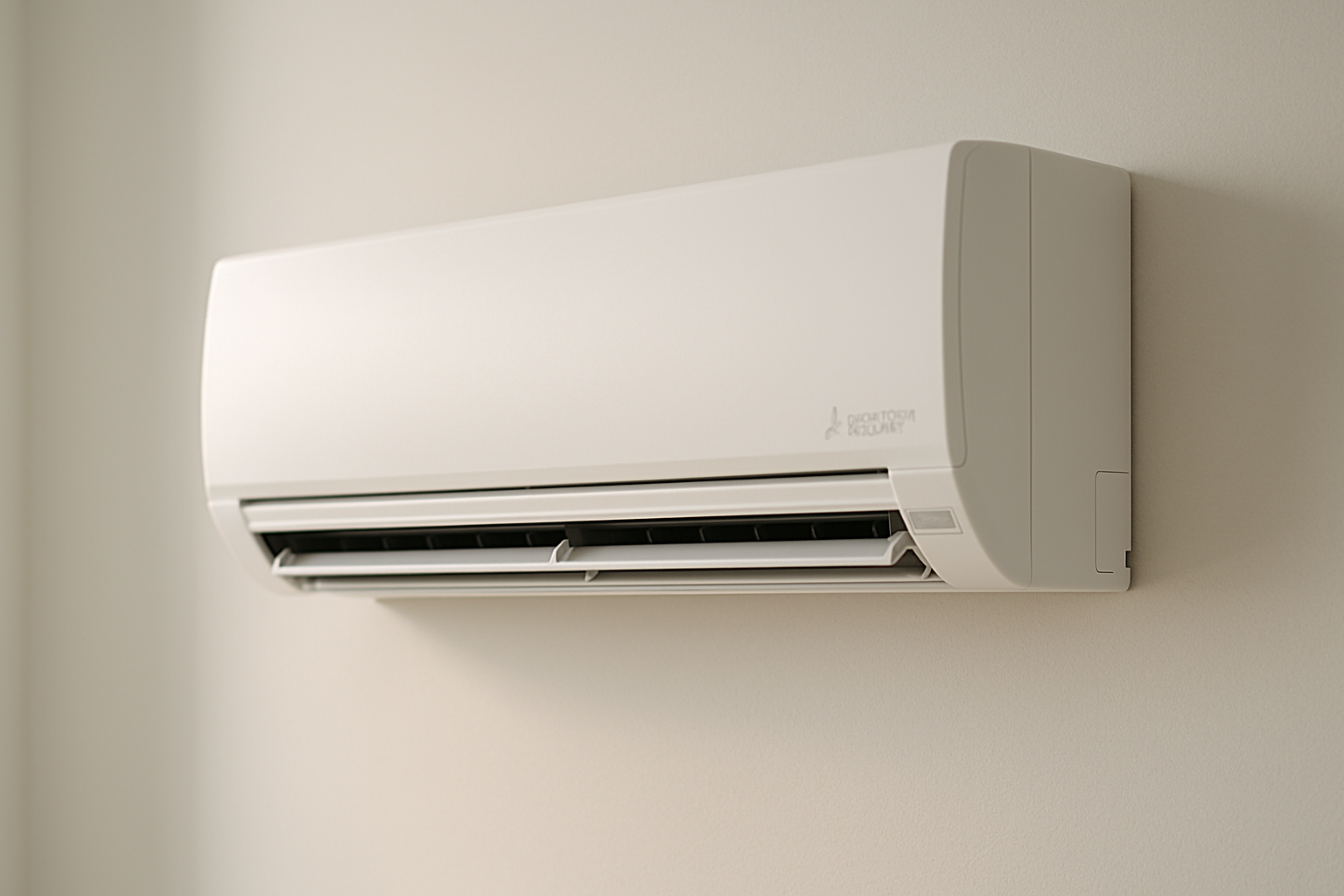
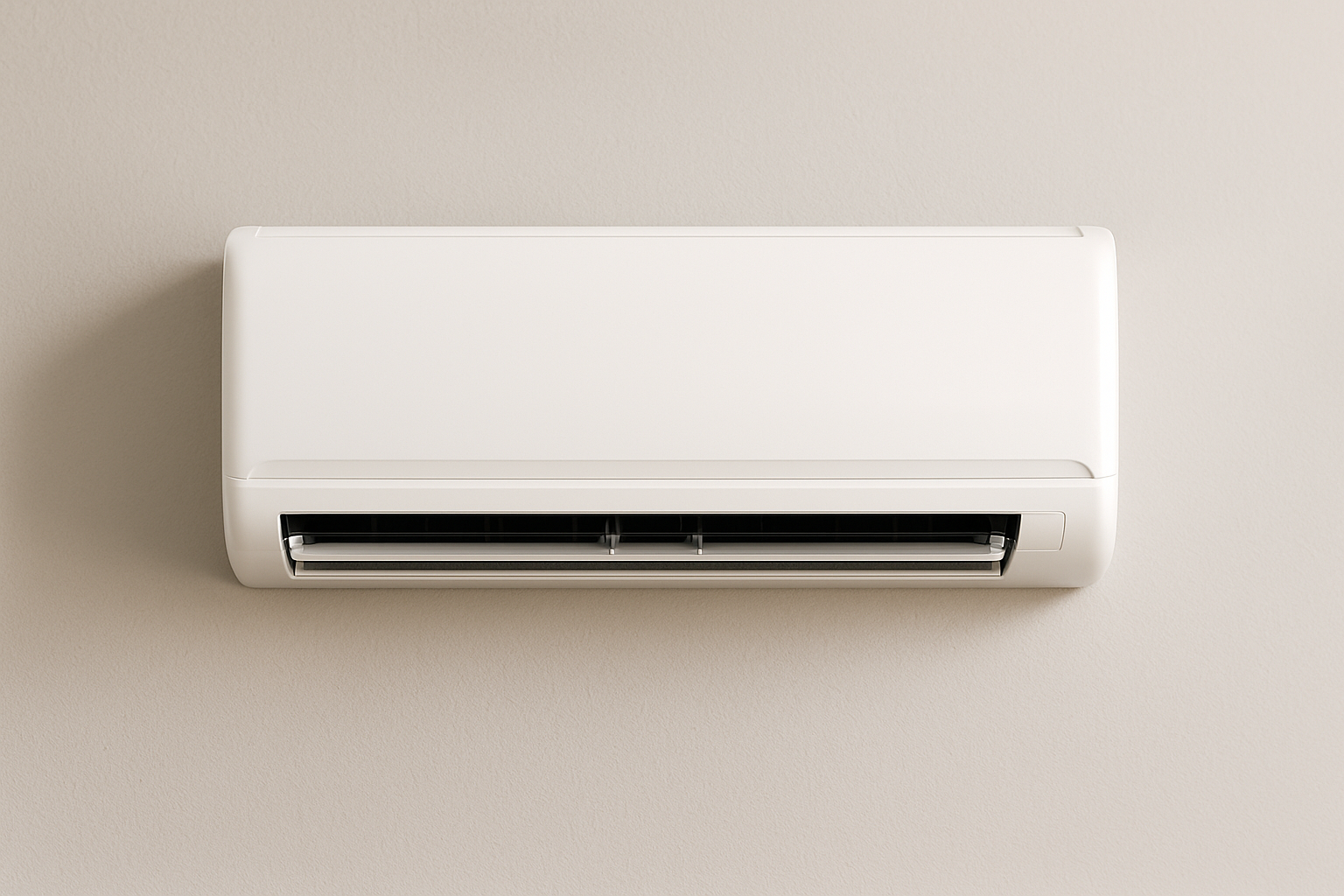
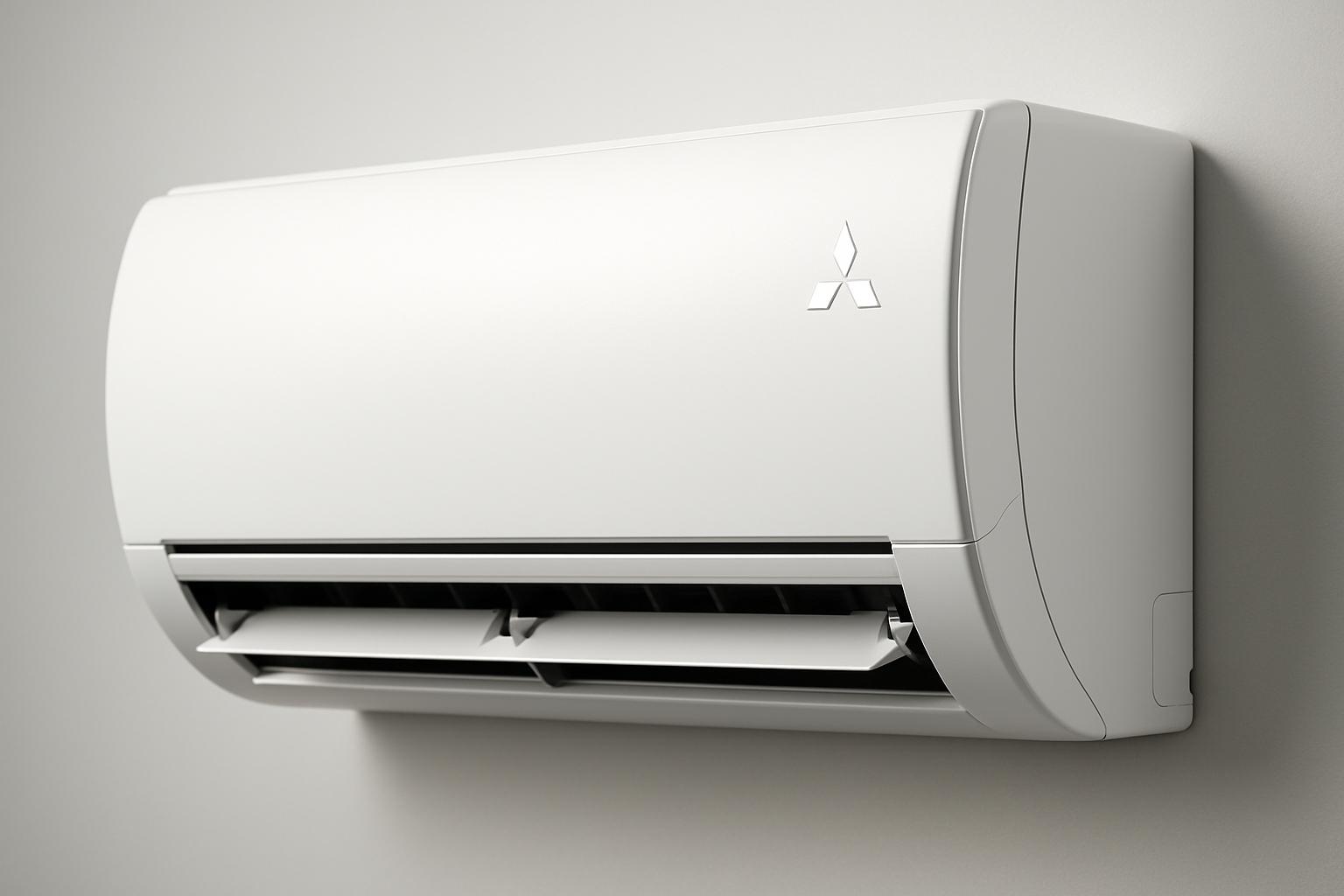
Ductless mini-splits provide targeted cooling to specific rooms without the energy losses associated with ducts. You can zone your cooling to occupied spaces only, saving energy.
Evaporative cooling systems
Commercial evaporative coolers for whole-home use are an energy-efficient option in dry climates. You should ensure adequate ventilation to avoid raising indoor humidity.
Hybrid systems
You can pair a heat pump with passive strategies and dehumidifiers for a hybrid approach that minimizes AC runtime while maintaining comfort.
Behavioral changes and lifestyle strategies
Small daily habits can make a big difference in comfort and energy use.
Timing activities
You should avoid heat-generating activities (cooking, oven use, laundry) during the hottest part of the day. Use slow cookers, microwave ovens, or cook outdoors when possible.
Clothing and bedding choices
Lightweight, breathable fabrics and moisture-wicking bedding make you feel cooler. You can use chilled pillow inserts or breathable mattress toppers for night comfort.
Occupancy and zone focus
Close off unused rooms and concentrate cooling or fans in occupied areas. You’ll reduce wasted energy by conditioning only the spaces you use.
Sleep strategies
You can improve sleep comfort with fans, breathable bedding, and by cooling the bedroom at night using night flush or a small, efficient cooling device.
Low-cost, DIY solutions for immediate relief
If you need quick and inexpensive solutions, several DIY methods provide noticeable relief.
Ice or frozen water bottles in front of fans
Placing a bowl of ice or frozen water bottles in front of a fan creates a simple, short-term cooling breeze for a room. You should avoid leaving ice unattended around children or pets.
Cross-ventilation with box fans
Put a box fan in a window facing outward on the hot side of the house in the evening to blow out warm air while you open windows on the cool side to draw in fresh air.
Reflective window covers and temporary awnings
You can install reflective foam boards behind curtains or temporary exterior shades to block direct sun during peak hours.
Room-by-room guidance
Different rooms have different cooling needs. Target interventions for the biggest impact.
Bedrooms
You’ll want to keep your bedroom cool for better sleep. Use bedroom fans, breathable sheets, and consider a small ductless unit or evaporative cooler if humidity is low.
Living areas
In high-use living spaces, maximize shade, use ceiling fans, and zone cooling to occupied areas. Arrange seating away from windows and direct sun.
Kitchens
Reduce heat gain by using smaller appliances, cooking on low-heat methods, and venting heat immediately with a hood fan.
Attics and basements
Insulate and ventilate attics to prevent heat buildup. Basements often stay cooler naturally, so you can shift daytime activities or sleep there during extreme heat if safe and comfortable.
Health, safety, and indoor air quality considerations
Alternatives to AC should maintain indoor air quality and ensure health and safety.
Air filtration and pollutant control
If you reduce mechanical ventilation, be mindful of indoor pollutants. Use high-quality filters in fans and HVAC systems and consider an air purifier in problem areas.
Mold prevention
Evaporative cooling and high humidity can encourage mold. You should monitor humidity and use dehumidifiers where needed.
Heat illness awareness
You must be aware of heat-related illness risks, especially for young children, older adults, pregnant people, and those with chronic health conditions. Keep hydration and cooling measures accessible.
Cost, effectiveness, and suitability comparison
A comparison table helps you quickly assess options by cost, effectiveness, suitability by climate, and maintenance.
| Option | Typical upfront cost | Running cost | Best climates | Effectiveness | Maintenance |
|---|---|---|---|---|---|
| Ceiling fans | Low | Very low | All | Moderate (improves comfort, doesn’t lower temp) | Low |
| Whole-house fan | Moderate | Low | Mild/dry nights | High for nights | Moderate |
| Evaporative cooler | Low–Moderate | Low | Dry/arid | High in dry climates | Moderate (pads, water) |
| Mini-split heat pump | Moderate–High | Low–Moderate | All (very efficient) | High | Moderate (annual check) |
| Low-E windows/double glazing | High | N/A (passive) | All | High (reduces heat gain) | Low |
| Insulation/air sealing | Moderate | N/A | All | High | Low |
| Shade trees/landscaping | Low–Moderate | N/A | All | Moderate–High over time | Moderate (pruning) |
| Dehumidifier | Low–Moderate | Moderate | Humid | Moderate (improves comfort) | Moderate (drain, filters) |
| Green roof/cool roof | High | N/A | Sunny | Moderate–High | Moderate–High |
You should use this table to prioritize based on your climate, budget, and urgency.
Planning and prioritizing upgrades
You can achieve the best results by combining measures in a phased approach.
Immediate, low-cost actions
Start with fans, shading windows, and changing behaviors like timing cooking and closing blinds during peak sun. These provide quick relief with minimal expense.
Short-term investments (months)
Install ceiling fans, weatherstrip doors, add reflective window films, and plant fast-growing shade trees. These improvements have good payback and increase comfort quickly.
Long-term upgrades (years)
Plan for insulation upgrades, window replacements, green roofs, or mini-split installations. These changes require more capital but provide lasting comfort and energy savings.
Maintenance and operational tips
Keeping alternatives running effectively requires regular maintenance.
Fan and mechanical maintenance
You should clean fan blades, lubricate bearings if applicable, and check seals on whole-house fans or mini-split units annually.
Evaporative cooler upkeep
Replace pads, clean the reservoir, and winterize the unit as needed to prevent mold and extend life.
Landscaping care
Maintain shade trees and green roofs with appropriate watering and pruning to ensure long-term performance.
Practical case studies and examples
Seeing how others applied strategies can guide your choices.
Example 1: Urban apartment in humid climate
You might live in a top-floor apartment with limited retrofit options. Good strategies are dehumidifiers, blackout curtains, ceiling fans, window films, and portable mini-splits for bedrooms. Night ventilation is limited, so controlling humidity and shading windows becomes a priority.
Example 2: Suburban house in dry climate
If you have a single-family home in an arid climate, combine evaporative cooling for whole-house cooling, reflective roofing, deciduous shade trees on the west side, and night flushing. You’ll get large energy savings and comfortable indoor temperatures.
Example 3: Older home with poor insulation
Insulating the attic and sealing gaps will dramatically reduce summer heat gain. You can also add exterior shading and window films while planning for window upgrades and a zoned mini-split system.
Common mistakes to avoid
Avoid actions that may reduce effectiveness or create other problems.
Relying on indoor curtains alone
Interior curtains help but are far less effective than exterior shading at blocking solar heat before it passes through glass.
Over-humidifying while cooling
Because humidity affects comfort, avoid using evaporative coolers in already-humid areas; they can make indoor conditions worse.
Ignoring ventilation when sealing
When you improve air sealing, remember to maintain proper ventilation to control indoor pollutants and moisture.
Mis-sizing mechanical equipment
You should size mini-splits and evaporative coolers to match room loads. Oversized units can short-cycle, causing inefficiency and comfort problems.
How to measure success
Track temperature, humidity, and energy use to see what works.
Monitoring tools
Buy a combined hygrometer/thermometer to track indoor conditions. Smart plugs and energy monitors can help you quantify savings from appliances and devices.
Behavioral metrics
You can keep a simple diary of comfort levels and device use to see which strategies you prefer and when.
Final checklist to get started
This short checklist helps you take action in an organized way.
- Assess your climate and how hot and humid your summers are.
- Seal and insulate where heat gain is most obvious (attic, windows, doors).
- Add shading to south- and west-facing windows first.
- Install ceiling fans and use zone-focused cooling.
- Plan night ventilation and use whole-house fans where effective.
- Address humidity with dehumidifiers or avoid evaporative cooling if humid.
- Consider long-term investments like low-E windows, mini-splits, or landscaping.
- Monitor conditions and adjust strategies based on results.
Closing thoughts
You don’t have to rely solely on a traditional air conditioner to keep your home comfortable. By combining passive design, efficient mechanical options, targeted behavioral changes, and simple maintenance, you can achieve pleasant indoor conditions while cutting costs and environmental impact. Start with low-cost measures and scale up the investments that fit your climate, lifestyle, and budget — and you’ll likely find a combination that works well for your home.