Are you trying to understand why Lennox air conditioner prices vary so widely and what you should budget for when buying one?
Understanding Lennox Air Conditioner Prices
This section explains the basic concept behind Lennox pricing so you can form a realistic budget. You’ll learn which elements most affect the final price and how to interpret manufacturer pricing versus total installed cost.
Why Lennox costs can vary
Lennox offers a range of products from basic split systems to premium, ultra-efficient models. Each level includes different technologies, materials, and performance guarantees that influence the MSRP and the installed price you’ll see on an invoice.
How to think about MSRP vs. installed price
Manufacturer Suggested Retail Price (MSRP) is only part of the equation. Your final cost includes equipment, labor, any required modifications, permits, and potential extras such as new ductwork or a smart thermostat. Knowing both figures helps you avoid sticker shock.
Key factors that affect Lennox air conditioner prices
This section breaks down the main variables that change the cost. You can use this to identify which items in a quote are necessary and which are optional.
Model and series
Lennox models are typically grouped into standard, mid-tier, and premium lines. Higher-tier units include better compressors, advanced coils, quieter operation, and higher efficiency ratings — all of which increase the price.
SEER rating and energy efficiency
Higher Seasonal Energy Efficiency Ratio (SEER) ratings indicate greater efficiency and usually come with higher upfront costs. However, more efficient units can lower monthly energy bills and may qualify for rebates.
Capacity and size
AC capacity is measured in tons or BTUs. Larger homes need more capacity, which costs more. Oversizing or undersizing a unit for your home can cause inefficiency and higher long-term costs, so correct sizing is crucial.
Installation complexity
If your installation requires significant changes — such as new ductwork, structural modifications, electrical upgrades, or custom mounting — labor costs will rise. Every site presents different challenges, and installers price for time and materials.
Local labor rates and supply availability
Labor costs vary regionally, and some areas have higher permit fees or stricter licensing requirements. Supply chain issues or limited inventory can also push prices up temporarily.
Warranty and extended service plans
Lennox offers limited warranties, and dealers often provide extended warranties or maintenance plans. Extended coverage or higher-tier warranties can add to the upfront cost but may reduce your long-term risk.
Rebates and incentives
Federal, state, and local energy incentives can reduce your net cost. Utility companies sometimes offer rebates for high-SEER installations or equipment that reduces peak demand. Always check current incentives before purchasing.
Lennox model tiers and what they include
Knowing what each product tier typically includes helps you match features to your budget and priorities. This section summarizes what to expect in each category.
Entry-level models
Entry-level Lennox units provide solid performance for basic cooling needs. They’re usually less efficient and louder than higher-tier models but cost less upfront and are suitable for many budget-conscious homeowners.
Mid-tier models
Mid-tier Lennox models balance efficiency, noise reduction, and durability. They typically offer higher SEER ratings, better sound dampening, and more advanced components than entry-level units, making them a common choice for homeowners seeking good value.
Premium models
Premium Lennox systems focus on maximum efficiency, quiet operation, and advanced technology such as variable-speed compressors and precision humidity control. These models command the highest prices but can lead to the greatest energy savings and comfort improvements.
Typical Lennox air conditioner price ranges
This table provides general price ranges for equipment-only and installed costs. Prices vary by location and specific model, so treat these as ballpark figures to guide budgeting.
| Category | Equipment-only price (typical) | Average installed cost (typical) |
|---|---|---|
| Entry-level single-stage (2–3 tons) | $1,500 – $3,000 | $3,000 – $5,000 |
| Mid-tier two-stage or higher efficiency (2–3 tons) | $2,500 – $4,500 | $4,000 – $7,000 |
| Premium variable-speed (2–3 tons) | $4,000 – $7,500 | $6,000 – $11,000 |
| Larger capacities (3–5 tons) — entry to premium | $2,500 – $9,000 | $5,000 – $14,000 |
| High-end whole-home systems with advanced controls | $6,000 – $12,000 | $8,000 – $18,000 |
Notes on the table
These ranges reflect typical U.S. pricing for residential systems and are influenced by SEER rating, installation complexity, and geographic market. Always get multiple quotes to determine your true installed cost.

Breaking down the installed cost
You should know exactly what you’re paying for. This section outlines the major line items that appear on an installation quote.
Equipment cost
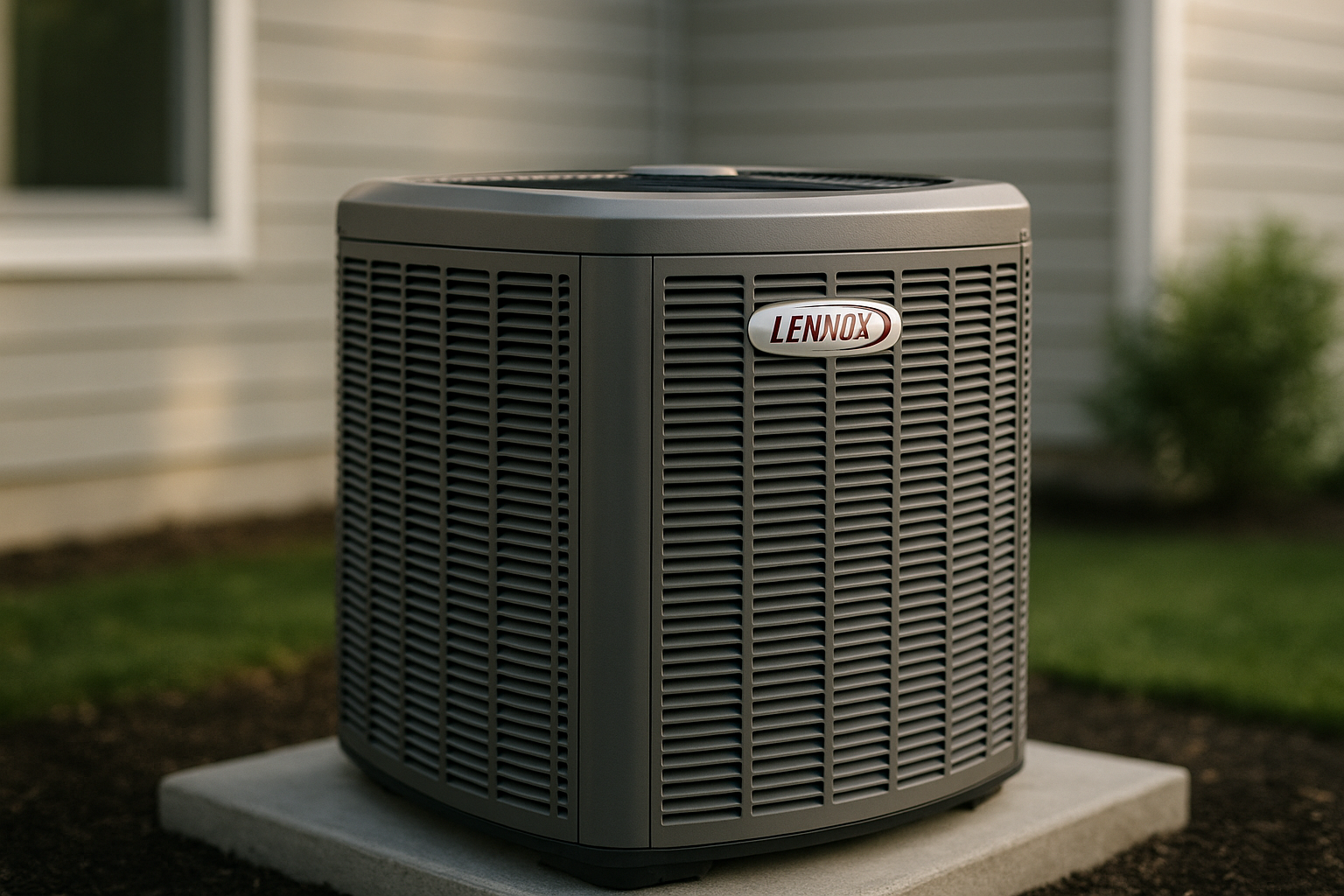
This line item covers the outdoor condenser, indoor evaporator coil/blower, and sometimes a matched indoor air handler. High-efficiency components cost more.
Labor and installation
Labor covers the crew’s time for removal of old equipment, prepping the site, mounting the new system, connecting refrigerant lines, wiring, and testing. Complexity and time directly influence labor cost.
Ductwork and modifications
If ducts are leaking, undersized, or non-existent, you’ll pay for new or modified ductwork. Sealing and balancing also add to the cost but improve efficiency and comfort.
Electrical and permit fees
Electrical upgrades (e.g., a new circuit, disconnect box, or panel work) can be significant. Municipal permit fees and inspection costs are often added separately.
Refrigerant and HVAC accessories
New systems may need the correct refrigerant charge or accessories like expansion valves, line sets, or filter driers. These are typically included but can be listed separately.
Thermostat and controls
A basic thermostat is usually included, but smart thermostats or zoning controls add to the price. Zoning can significantly improve comfort in larger homes.
Disposal and cleanup
Removal and disposal of old equipment, and any recycling fees (especially for older refrigerants), are commonly added.
How to compare quotes like a pro
When you receive multiple quotes, you should compare apples to apples. This section gives you a checklist to standardize comparisons.
Compare the same scope of work
Ensure each quote covers the same equipment model or equivalent, same efficiency rating, identical ductwork work, and same warranty terms. Otherwise, cost differences are meaningless.
Ask for itemized estimates
Itemized quotes make it easy to spot inflated labor charges or unnecessary add-ons. If a quote looks low, verify that it doesn’t exclude necessary components.
Check for brand and model numbers
Compare exact model numbers. Two units can look similar but have different components that affect longevity and performance.
Clarify warranty and labor coverage
Check what the manufacturer warranty covers versus what the installer provides. Ask who services warranty claims and what parts and labor are included.
Verify licensing and insurance
You should verify that the installer is licensed, bonded, and insured. A lower-priced contractor without proper credentials can cost you more in the long run if things go wrong.
Energy savings and payback
Understanding how efficiency translates into savings helps you decide whether a higher upfront cost is worth it. This section summarizes how to estimate payback.
Estimating annual energy savings
Higher SEER ratings reduce energy use compared to a baseline unit. For example, moving from a SEER 13 to SEER 16 unit reduces energy use by roughly 19% under the right conditions. Your exact savings depend on climate, usage patterns, and electricity rates.
Calculating payback period
To calculate payback, subtract utility rebates and tax incentives from the premium, then divide that net premium by the estimated annual energy savings in dollars. This gives the number of years to recoup the extra cost.
When higher efficiency makes sense
If you live in a hot climate, use cooling heavily, or plan to keep the house long-term, investing in higher SEER equipment often makes financial sense. If you move frequently, lower upfront cost might be preferable.
Rebates, tax credits, and incentives
You may qualify for significant savings beyond dealer discounts. This section explains where to look and how to apply.
Federal and state incentives
Occasionally, federal tax credits are available for high-efficiency HVAC installations. Many states also offer incentives for energy-efficient equipment. Check current programs, as availability changes.
Utility company rebates
Local utility providers frequently offer rebates for high-SEER installations or heat-pump conversions. Rebates can be applied directly or claimed after purchase; follow provider instructions carefully.
Manufacturer and dealer promotions
Lennox dealers may offer seasonal promotions, bundled discounts for multi-system installations, or financing specials. These can lower your out-of-pocket expense.
Financing and payment options
If the upfront cost is a barrier, you’ll want to know your financing choices. This section outlines common options and key tradeoffs.
Contractor financing
Many Lennox dealers partner with lenders to offer promotional financing with low or deferred interest. Read the terms carefully for deferred-interest traps and payment requirements.
Home equity and personal loans
Home equity loans or lines of credit typically offer lower interest rates than unsecured loans. Personal loans are another option but often carry higher rates.
Energy-efficient mortgages and PACE programs
Some jurisdictions offer Property Assessed Clean Energy (PACE) programs or energy-efficient mortgage options that let you finance improvements over time through property assessments or mortgage refinancing.
Credit cards and savings
If you have sufficient savings or a low-interest credit card, these can be viable. Remember that high-interest cards can negate the benefits of a purchase if not paid quickly.
Longevity, maintenance, and lifetime cost
Price isn’t just what you pay today; it also involves operating costs and maintenance. This section covers expectations for lifespan and ongoing expenses.
Expected lifespan of Lennox systems
A well-maintained Lennox air conditioner typically lasts 12–20 years depending on model, usage, climate, and maintenance. Premium models with variable-speed compressors can have longer useful lives if maintained properly.
Routine maintenance costs
Annual maintenance typically includes cleaning, refrigerant checks, filter replacement, and system tune-ups. Budget for professional maintenance each year or every six months for best performance.
Signs that replacement is more economical
If repair costs exceed 50% of the value of a new system, or if your unit is older than 10–15 years with low efficiency, replacement may be more cost-effective. Frequent breakdowns and rising repair bills are clear signals.
Comparing Lennox to competitors
You’ll want to know how Lennox stacks up against other brands on price, efficiency, and reliability. This section summarizes typical comparisons.
Price versus similar brands
Lennox often positions itself as a premium brand, especially for its highest-efficiency models. You may find lower-cost options from other manufacturers, but they may not match the same efficiencies or features.
Efficiency and feature comparisons
Lennox frequently offers top-tier SEER ratings and quiet operation in its premium line. Competitors may offer similar efficiency, but product design, warranty terms, and dealer network can differ.
Dealer network and service quality
Lennox’s authorized dealers are trained to install its equipment properly, which matters for warranty and performance. When comparing quotes, consider reputation and service availability as much as price.
Negotiation tips and what to ask
Being informed helps you negotiate a better deal and avoid unnecessary expenses. Use these practical tips during the buying process.
Ask for multiple options
Request quotes for a basic, mid-tier, and premium model so you can see how features and costs scale. This helps you make an apples-to-apples decision.
Request an itemized bid
An itemized bid exposes every cost. This transparency helps you ask targeted questions and spot potential savings.
Ask about bundled discounts
If you’re replacing multiple units, ask for a volume discount. Bundling maintenance or adding smart thermostats at the time of installation may reduce overall cost.
Confirm start-to-finish warranty coverage
Ask how warranty claims are processed, who performs repairs, and whether labor is covered. Knowing the warranty path reduces future headaches.
Common add-ons and how they affect price
You’ll likely encounter optional extras during quoting. This section explains common add-ons and whether they’re worth the investment.
Smart thermostats and zoning
Smart thermostats can increase comfort and efficiency, particularly when paired with higher-efficiency systems. Zoning improves comfort in multi-level or irregular homes but adds to installation complexity and cost.
UV lights and air purifiers
Indoor air quality upgrades like UV lights or advanced filters improve air quality and sometimes system performance, but they add initial cost and ongoing filter replacements.
Sound-reducing kits and vibration isolators
If noise is a concern, ask about additional sound-damping materials. These are often cheaper than upgrading to a premium quiet model, but they won’t match variable-speed quiet operation.
Extended refrigerant lines or custom mounting
Longer refrigerant runs or custom mounts for rooftop or balcony units add materials and labor, and you should expect the quote to reflect that complexity.
How to prepare your home and budget before installation
Preparation reduces surprises and helps the job proceed smoothly. This short section lists practical preparatory actions you can take.
Get multiple quotes and check references
Collect at least three detailed quotes and check online reviews and references for each installer. Confirm licensing and insurance before scheduling work.
Clear access and remove obstacles
Provide clear access to installation areas, remove stored items from the yard, and ensure any pets are secured. This minimizes delays and extra charges.
Plan for downtime and schedule appropriately
Expect some indoor temperature fluctuations during changeover. Schedule installations at convenient times and ask the installer how long the job will take.
Keep documents and receipts
Save all invoices, warranties, and permits in a safe place. These documents matter for warranty claims, tax incentives, and future resale.
Final buying checklist
This quick checklist ensures you make a well-rounded decision and avoid common pitfalls.
- Get at least three itemized quotes with model numbers and SEER ratings.
- Confirm installer licensing, insurance, and references.
- Verify what’s included: permits, disposal, electrical upgrades, ductwork.
- Check rebate eligibility and apply before purchase if required.
- Ask about warranty details and who services claims.
- Schedule annual maintenance and keep records.
Conclusion
By focusing on the right questions, comparing detailed quotes, and understanding what drives Lennox air conditioner prices, you can make an informed decision that balances comfort, efficiency, and budget. You’ll be better prepared to choose the right model, negotiate effectively, and plan for both upfront and long-term costs, including potential energy savings and available incentives.
If you want, you can provide your home specifications (square footage, number of rooms, climate, and whether you have existing ductwork) and I’ll help estimate a more specific price range and recommend suitable Lennox models for your needs.