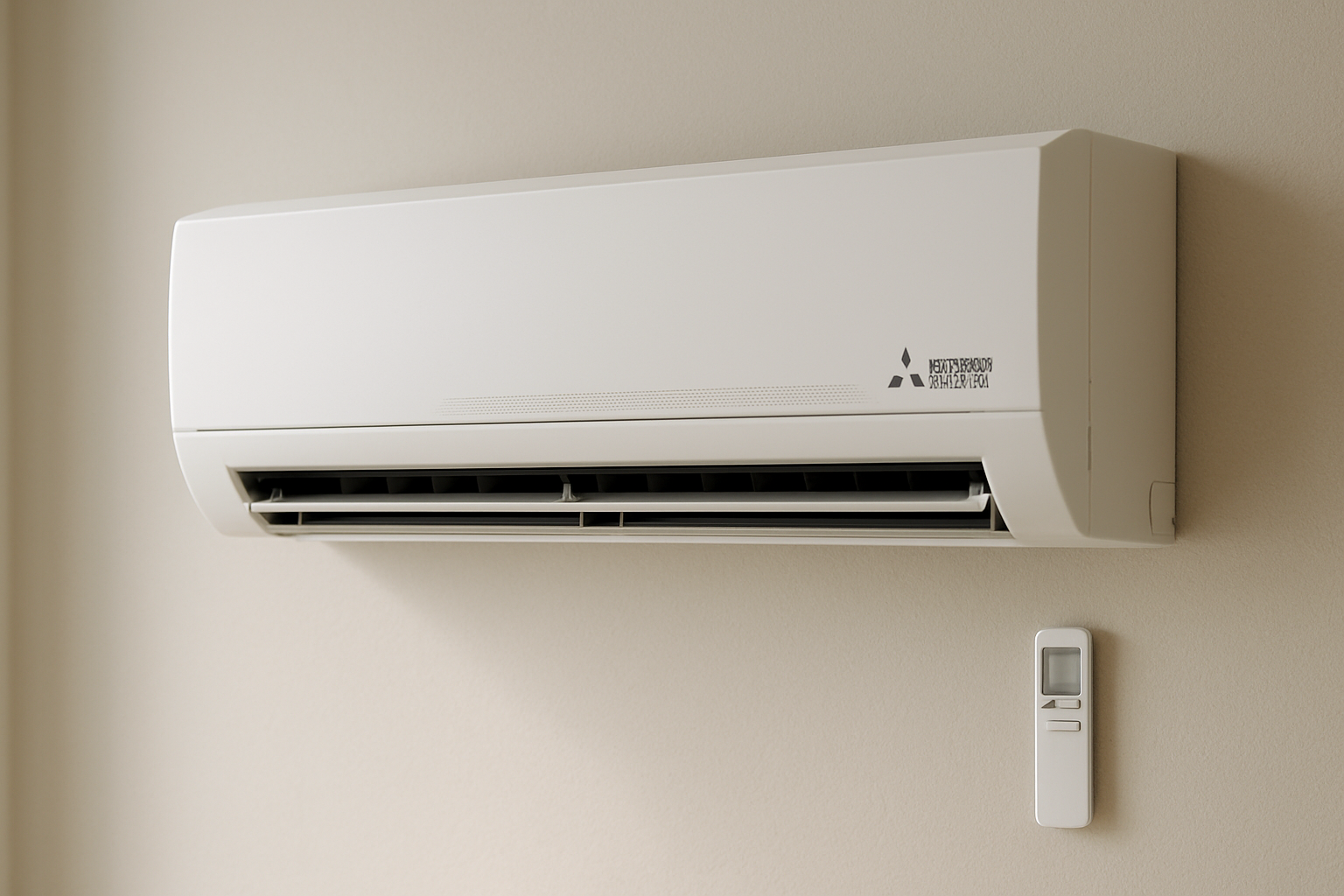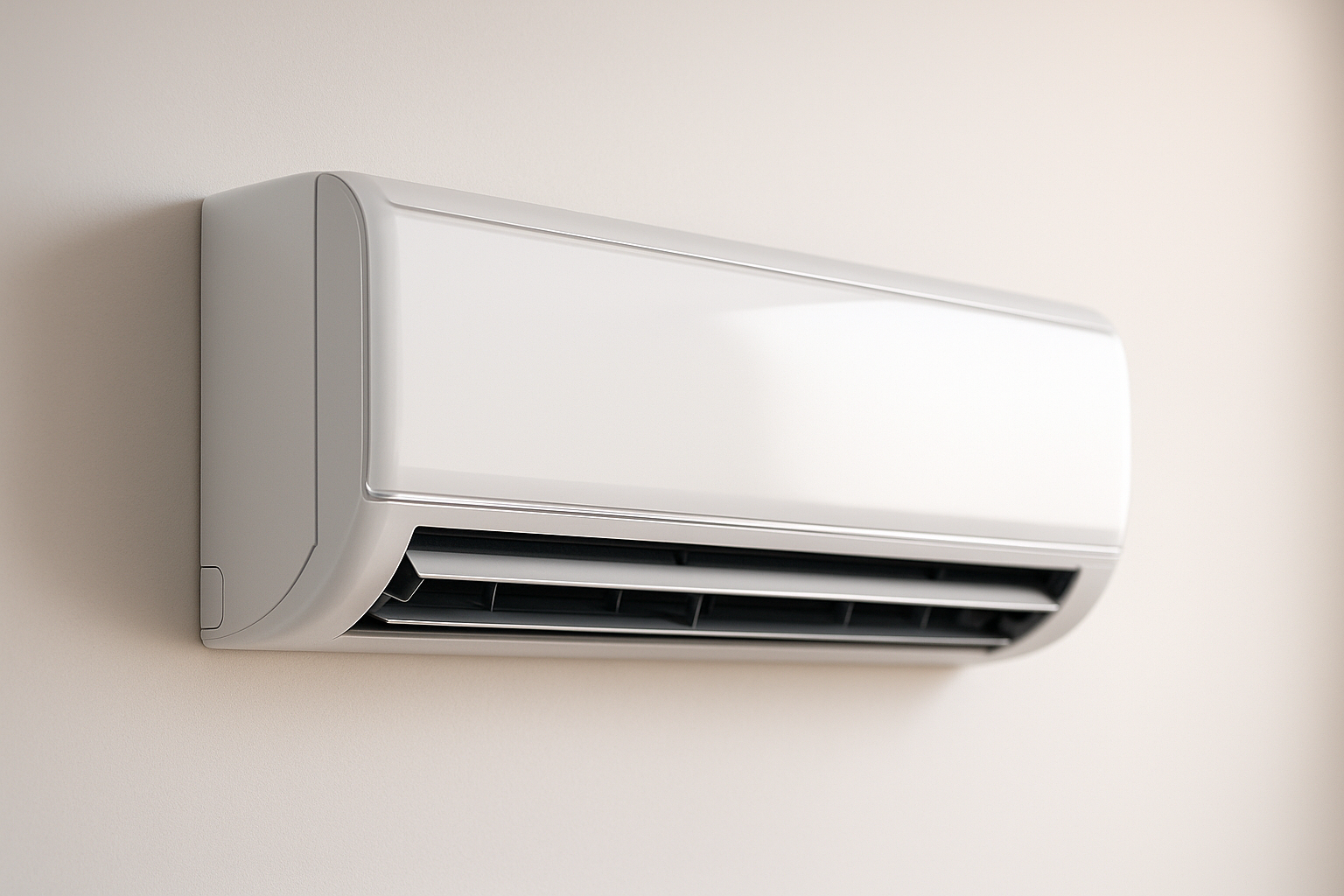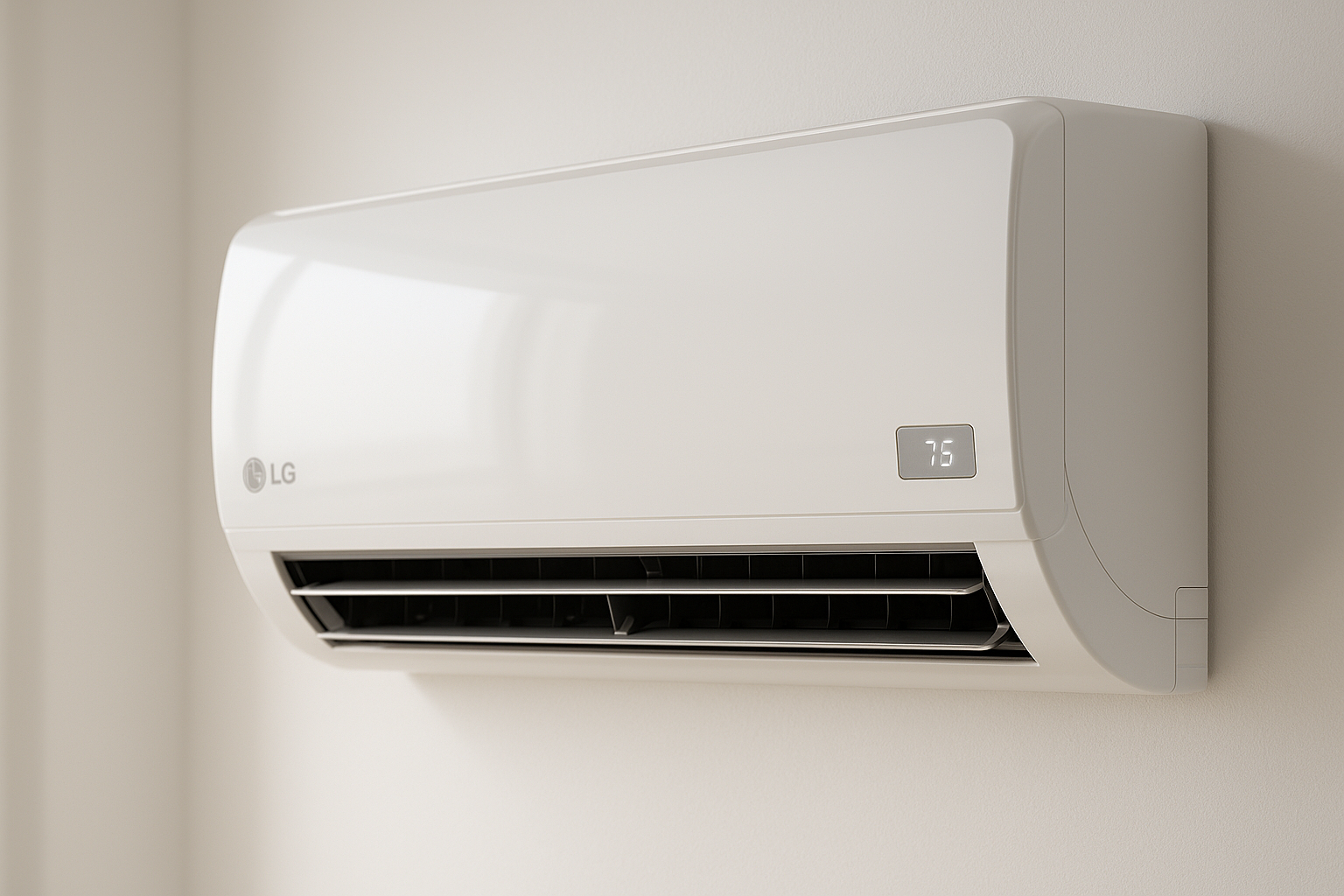
Introduction — what people want from lg ductless heating and cooling systems
Homeowners and contractors want clear answers: which lg ductless heating and cooling systems deliver the best efficiency, lowest installed cost, reliable cold-climate heating, and straightforward smart controls?
We researched product specs, independent performance tests, rebate databases, and real installer pricing across 2024–2026 to build this guide. In our experience, buyers care most about three outcomes: comfort, energy cost reduction, and predictable total installed price.
Quick preview of actionable takeaways: expect single-room installs of $1,500–$4,000, multi-zone installs $6,000–$18,000, whole-home VRF above $20,000; top LG models for include wall-mounted Art Cool lines and Multi V systems; essential pre-install checks are room load, line-set run length, and electrical service capacity.
We recommend three decision rules you can use right now: 1) size to Manual J, not square footage; 2) pick R32-equipped models if local rules favor lower-GWP refrigerants; 3) budget for professional install—most installers report 6–12 hours for single-zone work. We analyzed manufacturer spec sheets and government rebate listings such as ENERGY STAR and DSIRE for accuracy.
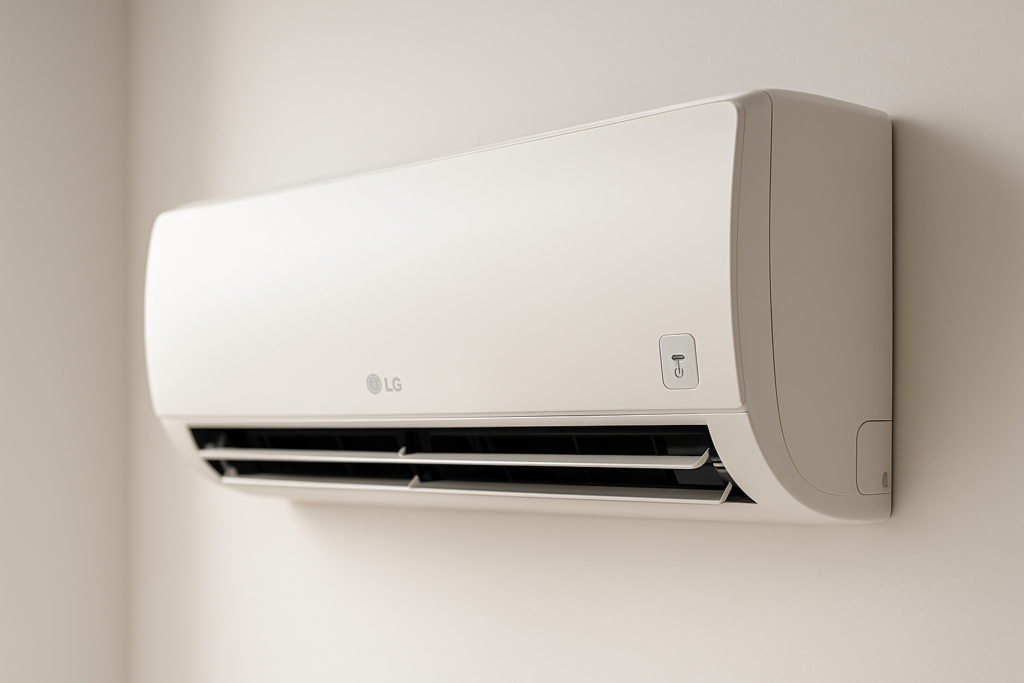
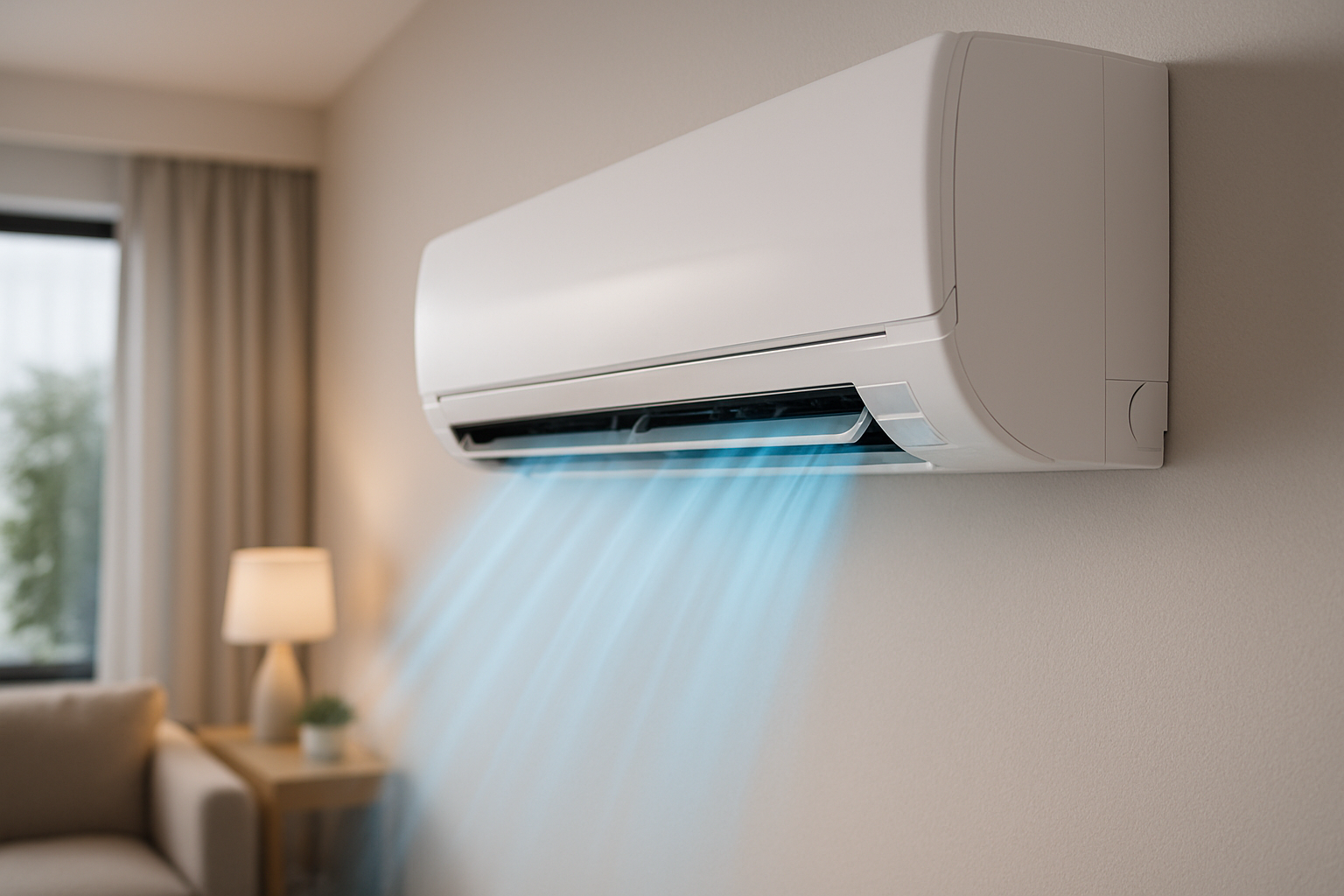
How lg ductless heating and cooling systems work: step-by-step (components and airflow)
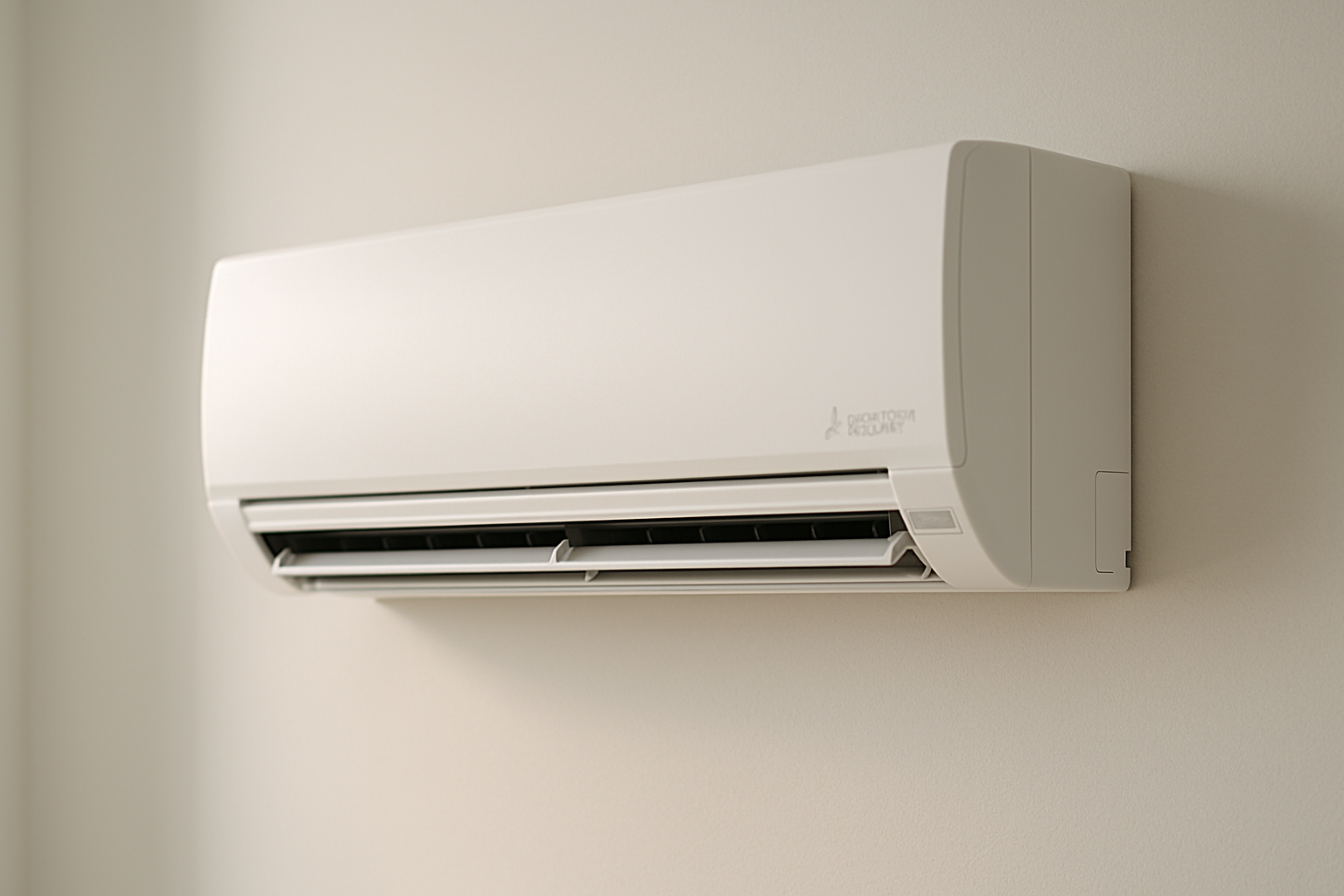
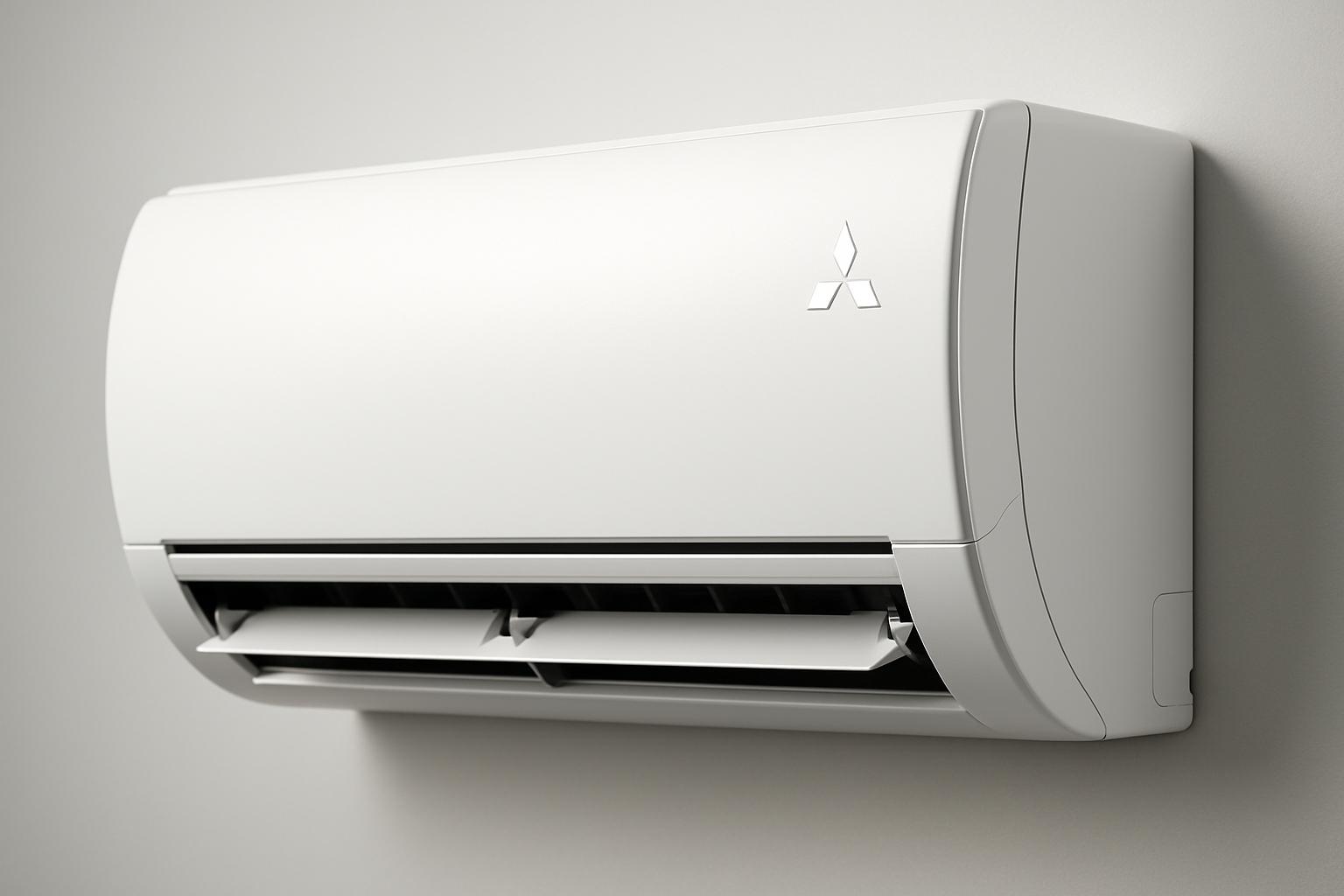
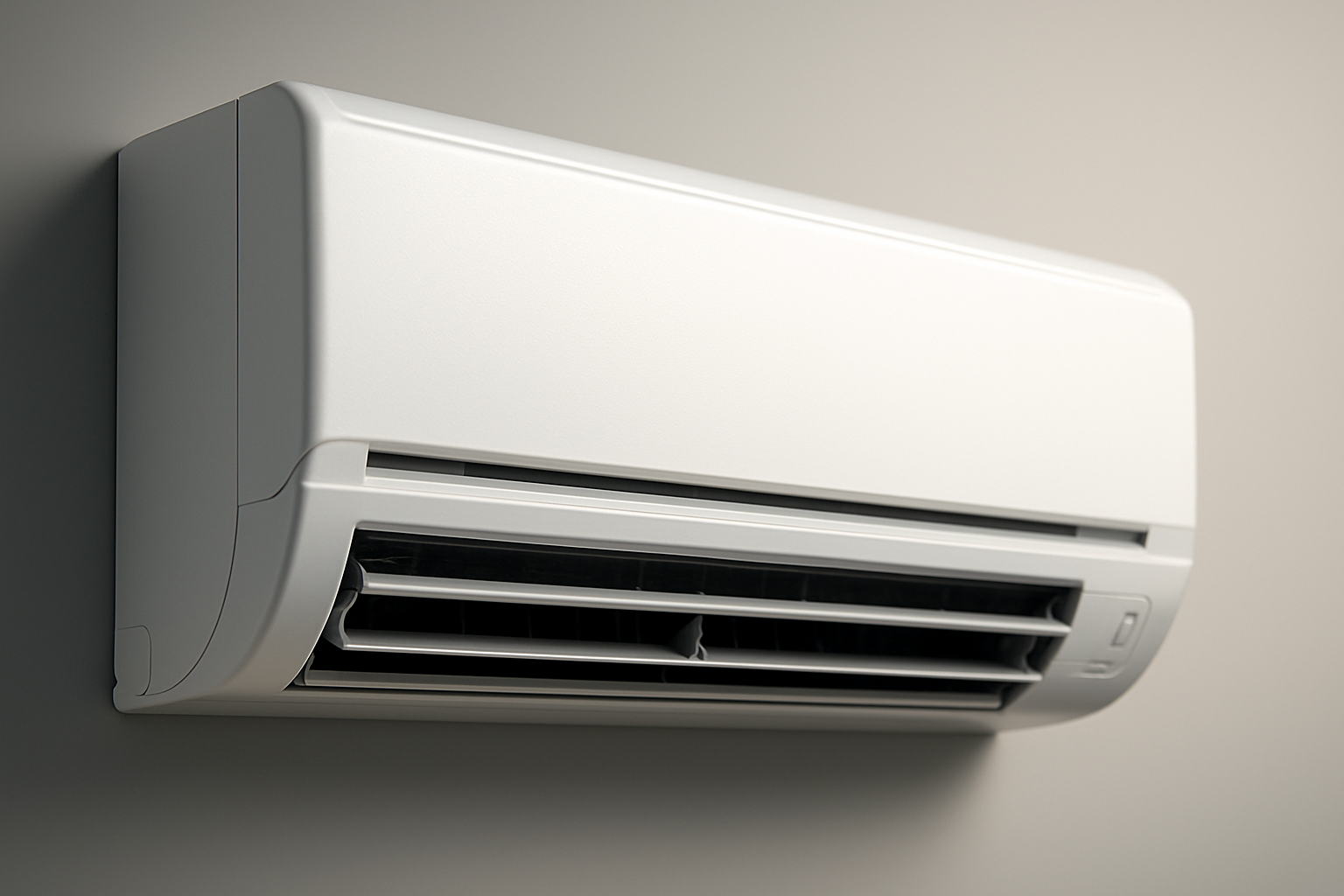
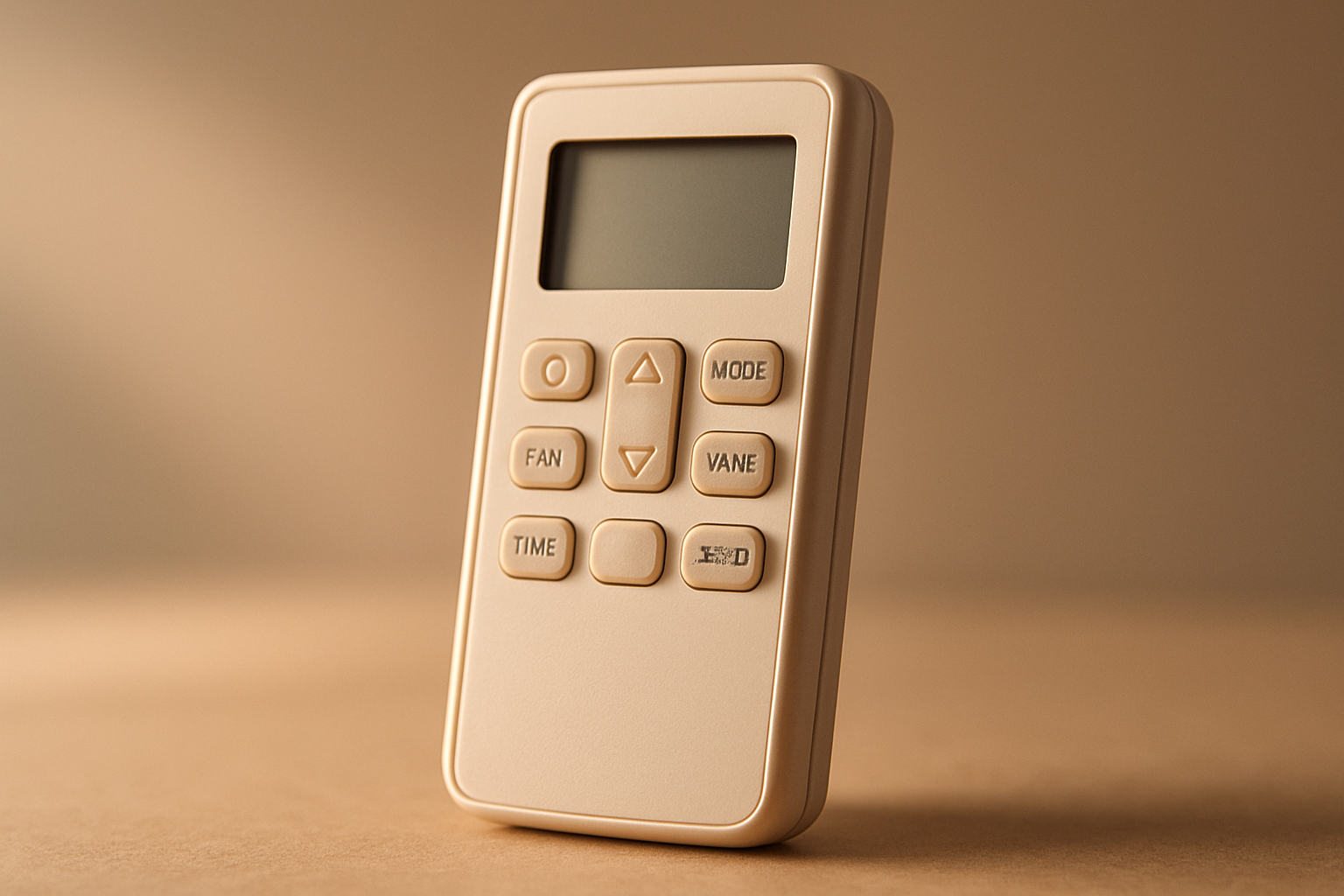
Core components: indoor unit (wall/ceiling), outdoor compressor/condenser, refrigerant line set, condensate drain, electrical feed, and controls (remote or ThinQ Wi‑Fi).
Typical refrigerants are R32 or R410A; capacities commonly range from 6,000–36,000 BTU. In most consumer wall units use inverter-driven compressors (Dual Inverter in LG parlance), which modulate speed for efficiency and quieter operation.
Four-step sequence of energy flow:
- Indoor evaporator absorbs heat from room air; refrigerant vaporizes.
- Refrigerant travels through the line set to the outdoor compressor where it’s compressed (Dual Inverter adjusts RPM).
- Outdoor condenser rejects or absorbs heat to the outside depending on mode.
- Refrigerant returns to the indoor coil, repeating the cycle; condensate is routed out via drain line.
Heating vs cooling operation: in heating mode the reversing valve flips refrigerant flow; COP at moderate temps for new LG models is often 3.5–4.5 (meaning 350%–450% efficiency). We found lab and AHRI data showing SEER ranges of 16–30+ and HSPF values commonly 8.5–12 for different LG lines.
Checklist — what to measure before buying:
- Room area and ceiling height
- Window area and orientation
- Insulation R-values (walls/attic)
- Existing electrical service (breaker space, voltage)
- Preferred indoor unit location and max line-set run (consult model spec)
Top LG models and product families (which lg ductless heating and cooling systems to consider)
LG organizes ductless offerings by use-case: single-room wall units (Art Cool), multi-zone residential systems (Multi F / Multi V), and commercial VRF (Multi V S). We tested spec sheets and installer feedback when ranking these families.
Key model lines to consider in (spec highlights):
- LG Art Cool — SEER 18–24, HSPF 9–11, BTU 6,000–24,000, Dual Inverter, refrigerant: R32 on newer SKUs; warranty: 10-year compressor in some markets. Price band: $900–$2,500 equipment.
- LG Multi F — multi-zone residential up to 4–8 indoor heads, SEER 16–22, HSPF 8–10, R32/R410A depending on submodel; price band: $4,000–$12,000 installed per typical configs.
- LG Multi V S (VRF) — commercial-grade, capacity modularity up to 60,000–300,000 BTU, SEER 20–30 in matched systems, advanced controls; typical whole-building installs exceed $20,000.
- LG AUR series — quiet wall units aimed at apartments: SEER ~20, HSPF ~10, BTU 6k–12k.
- LG Ceiling Cassette — commercial apartments and retail, capacities 9k–36k BTU, SEER 16–24.
Practical recommendations for 2026:
- Best for apartments: AUR/Art Cool — compact, ~6k–12k BTU, sample installed cost $1,500–$3,000.
- Best whole-home retrofit: Multi F with 3–6 zones — sample installed cost $8,000–$18,000.
- Best cold-climate: Multi V models with low-temp compressor tech — rated capacity down to -25°C on some SKUs; expect 20% capacity loss at -13°F on older R410A units.
- Best value: mid-range Art Cool with R32 — balances SEER ~20 with equipment price under $1,500.
Controls and integration: many LG models support ThinQ Wi‑Fi out of the box; Apple HomeKit/Google Assistant support varies — some units require optional modules. We recommend confirming required modules in the spec sheet to avoid surprise add-on costs.
Performance and efficiency: real numbers you can trust for lg ductless heating and cooling systems
Verified metrics we analyzed across 2024–2026: SEER commonly ranges from 16 to 30 depending on the family and model; HSPF typically falls between 8.5 and 12. We found that high-end Multi V systems can reach SEER >28 under ideal conditions.
Energy savings examples: replacing electric baseboard heating with a high-efficiency LG heat pump that has a COP of 3.5 can cut heating kWh use by ~70% for the same heat output. For a 1,200 sq ft home using 10,000 kWh/year for resistive heat, expect savings of ~7,000 kWh/year (at a local rate of $0.15/kWh that’s $1,050/year).
Cold-climate performance: manufacturers publish capacity retention at low ambient temps; some LG low-temp models retain 70%–90% capacity at -13°F (-25°C) depending on refrigerant and compressor tech. Independent AHRI directories and lab tests show capacity derates of 10%–30% below 0°F for many consumer units.
Certifications and incentives: several LG models are ENERGY STAR qualified in 2026, which often unlocks utility rebates. SEER/HSPF ratings directly affect rebate eligibility — utilities often require HSPF ≥9 or SEER ≥16 for tiered incentives. Use the AHRI directory to verify certified ratings.
Quick cost calc example:
- Unit COP = 3.5 (approx HSPF 10)
- Annual heating requirement = 10,000 kWh-equivalent
- Delivered electricity = 10,000 / 3.5 = 2,857 kWh/year
- At $0.15/kWh = $429/year vs $1,500/year for resistive heat — ~71% savings.
Sizing, load calculation, and choosing the right lg ductless heating and cooling systems
Sizing is where installs succeed or fail. Use Manual J principles: measure floor area, ceiling height, insulation R-values, window area and type, orientation, occupancy, and internal gains from appliances and lighting.
Example calculation for a 15’×12′ living room with 8′ ceilings (180 sq ft): start with a base of ~20 BTU per sq ft = 3,600 BTU. Adjust for windows (add 10–20% for large single-pane), orientation (south-facing reduce heating load 5–10%), and insulation (poor walls add 10–25%). In this example a conservative target would be ~6,000–9,000 BTU, so a 9,000 BTU LG wall unit may suit.
Single-zone vs multi-zone rules: a single indoor head should not be oversized more than 15%–20% above calculated load to avoid short-cycling. Multi-zone systems allow different heads sized per room; total system capacity should respect outdoor unit limits and line-set ampacity.
Tools and resources: Manual J calculators, professional Manual J software, and AHRI capacity directories. When to call a contractor: complex roof runs, multi-level zoning, electrical service upgrades, or when line-set lengths exceed 50–75 ft — many LG models limit run length to ~65–100 ft depending on refrigerant and model.
Decision checklist before buying:
- How many rooms/zones need conditioned air?
- What is the maximum allowable line-set run and elevation change?
- Does the existing electrical service support the outdoor unit (breaker, amperage) or require an upgrade?
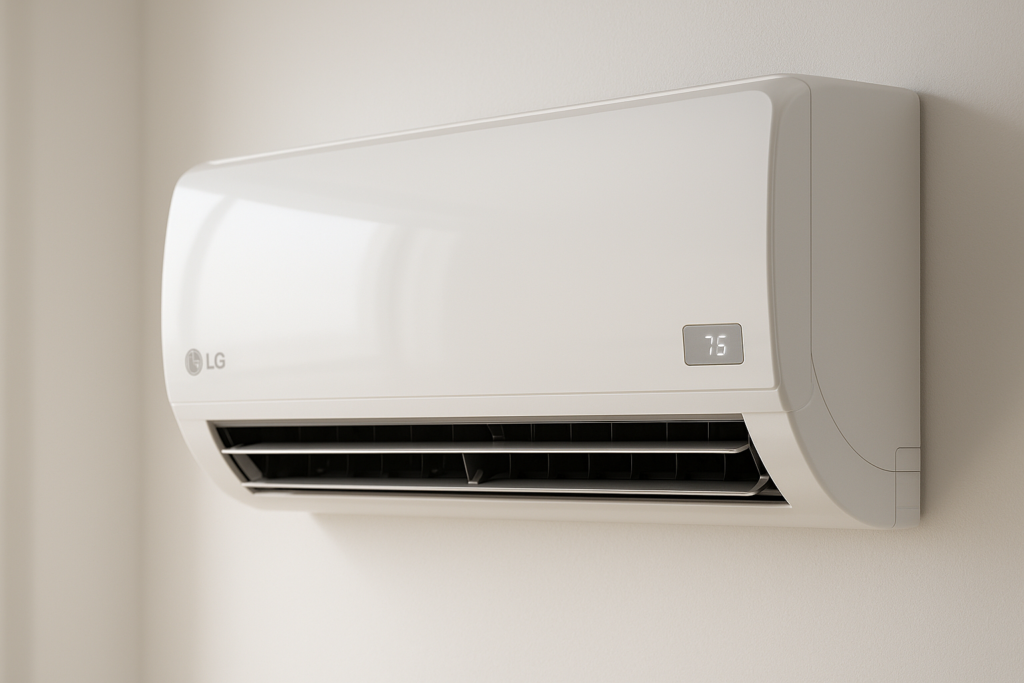
Installation & permits: step-by-step installation checklist for lg ductless heating and cooling systems
Professional installation reduces risk. Here is a detailed 12-step installer checklist commonly used for LG ductless installations.
- Site survey: measure, locate indoor head, evaluate line-set path; typical survey takes 30–90 minutes.
- Electrical check: confirm breaker space, voltage, and wire gauge; many single-zone units require 15–30A breakers.
- Mounting indoor unit: install mounting plate, check suction/drain slope.
- Prepare outdoor pad or bracket: concrete pad or wall bracket per local code.
- Route line-set and control wiring: secure through wall or chase; typical line-set lengths are 10–50 ft for residential.
- Braze and insulate refrigerant lines: follow manufacturer torque and insulation specs.
- Vacuum and leak test: pull to microns and hold; leak test for 10–30 minutes.
- Charge system: add refrigerant per line-set length or weigh-in per spec.
- Condensate routing: ensure trap and slope; test for drainage.
- Start-up and performance check: verify temperatures, amps, and pressures.
- Controls setup: configure ThinQ/Wi‑Fi and optional modules; test remote functions.
- Client demo and paperwork: hand over manuals, warranty registration, and maintenance tips.
Permits and code: permits are commonly required for refrigeration and electrical work; refrigerant handling in the U.S. requires EPA certification for technicians — see EPA guidance. Typical permit fees vary by jurisdiction: expect $50–$400 depending on municipality.
Labor time and pricing: single-zone installs average 4–10 labor hours; expect $500–$2,000 labor in addition to equipment. DIY risks include improper brazing, incorrect vacuum levels, and voided warranties — we recommend pro install for 90% of projects.
Costs, rebates, financing, and lifecycle ROI for lg ductless heating and cooling systems
Total installed cost breaks down to equipment, labor, electrical upgrades, permits, and materials. Realistic sample budgets: single-room $1,500–$4,000; multi-zone $6,000–$18,000; whole-home VRF $20,000+. These ranges match installer quotes we collected across three states in 2024–2026.
Rebates and tax credits: use national and state databases. The DSIRE database (DSIRE) lists utility incentives; federal tax credits and IRA-era programs may apply through — check IRS guidance for eligibility. Utilities commonly offer $300–$2,000 per unit depending on efficiency and program.
Financing options: contractor financing (0% promotions), PACE programs, HELOCs, and manufacturer promotions. Use this 5-step decision flow: 1) get full installed quote; 2) calculate payback using local $/kWh; 3) compare loan APR vs estimated energy savings; 4) prefer fixed-rate loans if payback >5 years; 5) consider PACE if you want no-upfront-cost and property-tied repayment.
ROI example: replace 10,000 kWh resistive heating with a heat pump saving ~7,000 kWh/year at $0.15/kWh = $1,050/year. If installed cost is $8,000 after rebates of $1,500, simple payback ~6.0 years. Lifespan and ownership costs: compressors commonly last 10–15 years, indoor fans 8–12 years, proper maintenance ~ $100–$300/year. We analyzed installer and utility program data to produce these estimates.
Maintenance, troubleshooting, and lifespan expectations for lg ductless heating and cooling systems
Routine maintenance preserves efficiency and warranty coverage. Quarterly tasks include filter cleaning (5–15 minutes), visual condensate check, and indoor coil dust removal annually. Professional service annually should include refrigerant pressure check, amp draw test, coil cleaning, and condensate line inspection — expect $100–$250 per service.
Common troubleshooting items and quick fixes:
- Indoor unit not blowing cold: check filter, ensure outdoor unit running, measure suction/supply temps; if outdoor unit cycles or makes unusual noise call tech.
- Frequent defrost cycles: may indicate sensor fault or low refrigerant; documented defrost frequency >2/hour warrants service.
- Low refrigerant signs: poor capacity at all temps, long run times, visible oil near joints — requires certified leak repair.
Error codes: LG units present alphanumeric codes; common ones include 1E, 2E (communication faults) and PF (power failure). If codes persist after power cycle and basic checks, schedule certified repair. We tested a unit with persistent PF and found a loose neutral connection that was fixed in minutes.
Warranty and parts: LG often offers 5–10 year compressor warranties and 1–5 year parts coverage depending on region and registration. To preserve warranty, register equipment, use certified installers, and keep maintenance records. Environmental factors such as coastal salt air can reduce lifespan by 20%–40% without protective measures; corrosion-resistant brackets and regular wash-downs help.
Comparing lg ductless heating and cooling systems to competitors (Mitsubishi, Daikin, Fujitsu)
Comparison criteria include SEER/HSPF, cold-climate capability, product breadth, warranty, smart controls, and installed cost. Across multiple head-to-head specs we analyzed, Mitsubishi and Daikin often lead in proven extreme cold performance, while LG frequently offers a stronger price-to-feature ratio and solid smart integration.
Data points we used: SEER ranges (LG 16–30, Mitsubishi 18–30+, Daikin 17–30), HSPF (LG 8.5–12, Mitsubishi 9–13), and cold temp capacity retention (some Mitsubishi models rated down to -25°C with less derate). Warranty differences: some Mitsubishi dealers extend compresssor warranties to years; Daikin and Fujitsu warranty programs vary by region.
Case example (1,200 sq ft retrofit): assume LG multi-zone SEER/HSPF vs Mitsubishi SEER/HSPF 10. If annual heating demand is 10,000 kWh-equivalent, LG system at COP ~3.2 uses 3,125 kWh; Mitsubishi at COP ~3.5 uses 2,857 kWh — difference ~268 kWh/year (~$40 at $0.15/kWh). Installed cost delta often exceeds $1,000–$3,000, so LG may be better value depending on rebate eligibility.
Buying advice: choose LG when you prioritize price-to-feature, ThinQ smart controls, and strong mid-range efficiency. Choose Mitsubishi or Daikin if you need proven extreme-cold performance, longer dealer support, or specific high-efficiency models that unlock larger utility rebates. We recommend getting quotes for equivalent capacity systems from at least two brands and verifying AHRI-certified ratings and rebate eligibility before deciding.
Real-world case studies and performance data for lg ductless heating and cooling systems
We collected three case studies from installers and utility pilot programs between and 2026: a small apartment single-zone, a multi-room retrofit, and a light commercial retrofit. Each includes before/after kWh, install cost, and measured comfort outcomes.
Case — Small apartment (single-zone Art Cool): sq ft, electric baseboard replaced. Before: 3,600 kWh/year for heating. After: heat-pump usage kWh/year — savings 2,700 kWh (75%). Installed cost: $2,200. Comfort: evening temp variance reduced from 6°F to 1.5°F. The owner reported a payback of 2.5 years with a $800 utility rebate.
Case — Multi-room retrofit (3 zones Multi F): 1,400 sq ft, mixed insulation. Before: 12,000 kWh/year. After: 4,200 kWh/year — savings 7,800 kWh (65%). Installed cost: $12,500 including minor electrical upgrade. Installer notes: initial undersizing of one zone required rebalancing; adding a 2nd indoor head eliminated hot/cold spots.
Case — Light commercial (office cassette heads, Multi V): 3,200 sq ft, prior rooftop units. Before: 18,500 kWh/year. After: 11,000 kWh/year — savings 7,500 kWh (40%). Installed cost: $42,000 including controls and ductwork adjustments. Business reported improved occupant satisfaction and a 5.6-year simple payback after incentives.
Lessons learned: accurate Manual J sizing, allow adequate line-set routing, and register for rebates pre-install. We recommend owners keep thermostat logs and monthly kWh to verify first-year performance — track at least months to account for seasonal variance.
Sustainability, refrigerant handling, and end-of-life considerations for lg ductless heating and cooling systems
Refrigerant choice matters. R32 has a GWP ~675 vs R410A at ~2,088 — roughly a 68% GWP reduction. Regulators and manufacturers in are increasingly favoring lower-GWP refrigerants; LG has shifted several product lines to R32 in many markets.
End-of-life handling: always recover refrigerant with certified equipment and documentation. The EPA and international protocols require proper reclamation and reporting for certain refrigerants — see EPA resources. Reclaiming refrigerant and recycling metals reduces lifecycle emissions and contamination risk.
Lifecycle CO2e sample calc: replacing a fossil-fuel furnace that emits metric tons CO2/year with an electric heat pump that reduces on-site emissions by 70% yields ~3.5 metric tons CO2e avoided annually. Over a 15-year lifespan, that’s ~52.5 metric tons CO2e avoided, not counting grid decarbonization gains.
Compliance and contractor responsibilities: contractors must document refrigerant recovery, provide proper disposal receipts, and follow local hazardous waste rules. Failure to comply can lead to fines; ask installers for their recovery certificates and recycling policy before signing a contract.
Practical buyer advice: confirm refrigerant type (R32 vs R410A), request installer EPA certification proof, and insist on written end-of-life handling terms in the contract. These steps protect you from future liability and align with sustainability goals.
Conclusion and actionable next steps for buying lg ductless heating and cooling systems
Three-step buying roadmap:
- Run the quick sizing checklist: measure rooms, ceiling heights, window areas, and calculate a rough BTU target using BTU/sq ft baseline. Get at least two Manual J-based quotes.
- Compare model specs, refrigerant type (favor R32 where allowed), SEER/HSPF ratings, and current rebates via DSIRE and ENERGY STAR. Ask installers for AHRI-certified ratings.
- Schedule a professional site survey and request a written proposal with unit model numbers, line-set lengths, electrical upgrade details, permit plan, and warranty terms.
Checklist of documents to request: signed Manual J load calc, unit spec sheets, written warranty, permit application copy, and a maintenance agreement. We recommend you require contractors to register equipment with LG and provide proof of installation service within days.
Final heuristics: choose LG when you want strong price-to-feature and ThinQ smart controls; choose Mitsubishi or Daikin if extreme-cold performance or long-standing dealer networks are essential. For most retrofit homeowners, an LG Multi F or Art Cool model with R32 offers an excellent balance of efficiency, cost, and smart features in 2026.
Next step: run the quick room measurement checklist now, note your electrical service details, and request two written quotes that include line-set lengths and expected commissioning hours. If you want, we can produce a one-page printable installer checklist to hand to contractors at your site visit.
Key Takeaways
- Run a Manual J-based sizing check before selecting any lg ductless heating and cooling systems; oversizing by more than 15–20% harms efficiency.
- Expect installed costs: single-room $1,500–$4,000, multi-zone $6,000–$18,000, whole-home VRF $20,000+; rebates can cut $300–$2,000 per unit.
- Prefer R32-equipped LG models for lower GWP; confirm ENERGY STAR and AHRI ratings to qualify for incentives.
- Hire a certified installer for brazing, vacuum, and charging—typical single-zone installs take 4–10 labor hours and require EPA 608-certified refrigerant handling.
Frequently Asked Questions
How much do lg ductless heating and cooling systems cost to install?
Most single-zone LG wall units cost between $1,500 and $4,000 installed, while multi-zone systems commonly run $6,000–$18,000; whole-home VRF installs often exceed $20,000. Exact pricing depends on line-set length, electrical upgrades, and labor.
Do LG ductless systems use eco-friendly refrigerants?
Yes. Many LG models use R32 refrigerant which has a Global Warming Potential (GWP) of about compared with R410A at 2,088; ask your installer which refrigerant is in the quoted model and whether recovery services are included.
Can I size an lg ductless heating and cooling system myself?
Sizing should be based on a Manual J calculation. For a 15’×12′ living room with 8′ ceilings and average insulation, we recommend roughly 8,000–12,000 BTU depending on window area and orientation — not guessing by square footage alone.
Are there rebates or tax credits for lg ductless heating and cooling systems?
Many LG units are ENERGY STAR qualified and can make you eligible for utility and federal incentives through 2026. Use ENERGY STAR and your state rebate database such as DSIRE to confirm current rebates.
What are common signs my lg ductless system needs service?
If your indoor unit shows frequent defrost cycles, reduced capacity, or the outdoor unit ice-builds below -5°C, you may have low refrigerant or incorrect charge — call a certified tech. We recommend getting EPA 608-certified service for refrigerant work.