

? Are you trying to make material movement along Unistrut channels smoother, safer, and more efficient?
Unistrut Trolley Solutions for Smooth Material Handling
You’re about to learn practical, hands-on information about Unistrut trolley systems so you can choose, install, and maintain the right trolley solution for your application. This article breaks down components, types, selection criteria, installation tips, maintenance schedules, troubleshooting, and cost considerations to help you get consistent, dependable performance.
What is Unistrut and why does it matter for trolleys?
You probably know Unistrut as a versatile metal framing system used for mounting, supporting, and suspending mechanical, electrical, and plumbing equipment. For trolleys, Unistrut provides a standardized channel profile that acts as the track along which trolleys move. Because Unistrut channels are common, modular, and easy to mount, trolley systems based on Unistrut are flexible and widely usable in facilities of all sizes.
What is a Unistrut trolley?
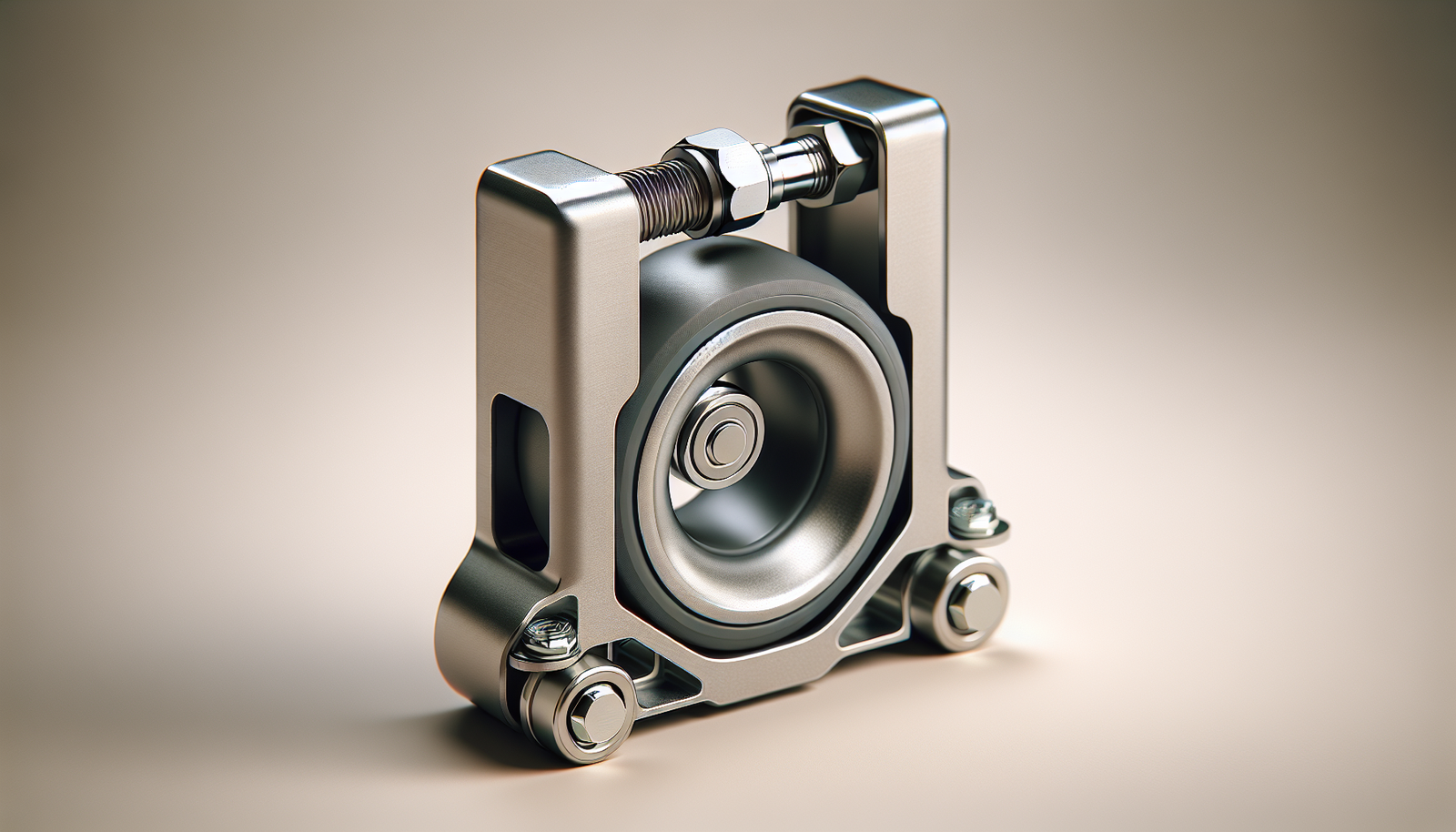
A Unistrut trolley is a wheel-equipped carriage that runs inside or on top of a Unistrut channel, carrying loads or suspending equipment. You use trolleys to form overhead conveyors, movable hoist supports, tool balancer tracks, sliding supports, and other material handling systems. Trolleys translate the structural advantages of Unistrut into controlled linear motion.
Core components of a Unistrut trolley system
Every trolley solution has a handful of core parts. Understanding each one helps you specify the right system and troubleshoot issues faster.
Trolley housing and frame
The housing holds the wheel assemblies and provides mounting points for your load or attachment hardware. Housings come in stamped steel, fabricated steel, or stainless steel options. You’ll choose based on load requirements and environment.
Wheels / rollers
Wheels are the contact element between trolley and channel. They vary by material (nylon, steel, hardened steel, polyurethane), diameter, and tread profile. Wheel material affects noise, wear, and compatibility with channel types.
Bearings and axles
Bearings inside the wheel control friction and load capacity. You’ll find plain bushings, roller bearings, and sealed ball bearings. Axles secure wheels to the housing and must be sized to handle shear forces.
Mounting hardware and adapters
These connect your load or lifting device to the trolley. Eyebolts, clevises, threaded rods, brackets, and custom adapters let you attach hoists, hooks, platforms, or fixtures directly to the trolley.
Stops, buffers, and anti-derail devices
You’ll use end stops to limit travel, buffers to reduce impact, and anti-derail clips to keep wheels in the channel during load shifts. These parts are essential for safety and system longevity.
Drive and control components (if powered)
For motorized trolleys you’ll need drives, gearboxes, motor mounts, and control panels. Add limit switches, variable frequency drives (VFDs), and safety interlocks to manage motion accurately.
Types of Unistrut trolleys and common use cases
Different tasks require different trolley designs. Here’s a breakdown to help you match trolley type to application.
| Trolley type | Typical load capacity | Typical applications | Pros | Cons |
|---|---|---|---|---|
| Fixed-wheel single trolleys | Light to medium (20–500 kg) | Tool balancers, sliding fixtures, light conveyors | Simple, low cost, low maintenance | Limited load capacity, less tolerant of misalignment |
| Double-wheel or bogie trolleys | Medium to heavy (200–2000+ kg) | Heavy hoists, long loads, overhead cranes | Higher capacity, distributes load, smoother travel | More complex, higher cost |
| Adjustable-width trolleys | Light to medium | Variable channel widths, retrofit projects | Flexible, fits multiple channels | Slightly reduced stiffness vs fixed units |
| Swivel or pivot trolleys | Medium | Curved or articulated tracks, rotating hooks | Allows rotation or angle changes | May need additional components for stability |
| Enclosed/guide trolleys | Light to heavy | Cleanrooms, dust-prone areas, precise guidance | Keeps debris out, reduces derailment risk | More expensive, may require special channels |
| Motorized trolleys | Variable | Automated conveyors, driven load transfer | Removes manual labor, consistent speed control | Requires power, controls, and safety systems |
Choosing the right Unistrut trolley for your needs
When you select a trolley, several factors determine suitability. Address them systematically to avoid frequent replacements or unsafe operation.
Determine load capacity and safety factor
Start with the maximum static load the trolley will carry. Add the weight of attachments and any dynamic loads (acceleration, shock). Apply a safety factor—commonly 1.5–2.5 depending on the application and regulations. That determines required trolley rated capacity.
Example: If your load is 600 kg and you expect occasional shock loads, use a safety factor of 2.0: Required capacity = 600 kg × 2 = 1200 kg. You might select two trolleys rated 700 kg each or a single trolley rated above 1200 kg depending on load distribution.
Account for channel profile and size
Unistrut channels come in standard profiles and widths. Match trolley wheel geometry and spacing to the channel’s inner dimensions. Some trolleys are designed for the common 41 mm (1-5/8″) channel, while others fit larger or metric profiles. Incorrect matching causes binding or derailment.
Select wheel material and diameter
Wheel materials have trade-offs:
- Nylon or acetal: quiet, low friction, corrosion-resistant, good for light loads.
- Polyurethane: quieter than steel, resists impact, good for medium loads and sensitive floors.
- Steel/hardened steel: high load capacity, long life, better for heavy loads and abrasive channels.
Larger diameter wheels reduce rolling resistance and provide longer wear life, but may need more clearance.
Consider environmental factors
If you’re working in corrosive, wet, or high-temperature environments, choose stainless steel housings and corrosion-resistant bearings. For food or cleanroom applications, select materials and lubricants that meet cleanliness standards.
Evaluate travel speed and frequency
High-speed or high-cycle systems require sealed bearings and high-quality wheels to avoid premature wear. If you expect continuous operation, design for higher duty cycles and plan maintenance accordingly.
Number and placement of trolleys
Distribute load across multiple trolleys to reduce per-trolley stress and improve balance. For long loads, place trolleys to prevent sag and torsion—usually near the load ends and periodically along the length for very long assemblies.
Special attachments and accessories
If you need rotation, braking, indexing, or powered movement, include the required accessories in your initial design. Retrofits are possible but often more expensive.
Compatibility table: channel types and trolley options
You’ll often face multiple channel profiles in a facility. Use this simplified table to match common channel types to typical trolley styles.
| Channel type / size | Typical trolley style | Notes |
|---|---|---|
| 41 mm (1-5/8″) standard Unistrut | Single and double-wheel trolleys | Most common; wide range of compatible trolleys |
| 21 mm (smaller) channels | Lightweight nylon trolleys | Limited heavy-duty options |
| Large or custom channels | Bogie or multiple-wheel trolleys | Custom or heavy-duty designs required |
| Stainless or plated channels | Stainless or coated trolleys | Ensure material compatibility to prevent galvanic corrosion |
Installation and mounting best practices
Proper installation ensures smooth travel and reduces long-term costs. Follow these best practices while installing trolley systems.
Inspect and prepare the Unistrut channel
Clean the channel of debris, burrs, and manufacturing oils. Check for straightness: any bow or twist in the channel creates binding and uneven wear. Correct mounting surfaces or shim as necessary.
Align channels precisely
Parallelism and levelness matter. Use straightedges and laser levels to align channels and avoid side loading. Misaligned channels produce lateral forces that accelerate wear.
Mount and torque hardware correctly
Use the manufacturer’s recommended bolts, nuts, and torque values. Over-tightening can deform the channel or trolley; under-tightening increases vibration and loosening risk. Lock washers or Loctite may be used where vibration is significant.
Install end stops and anti-derail devices
Set positive end stops at travel limits and fit anti-derail clips where there’s risk of lateral wheel lift. Include buffers or shock absorbers to reduce impact at endpoints and protect trolleys and channels.
Test travel before loading
Run the trolley through full travel multiple times without load, then with incremental loading to detect binding or unusual noise. Perform a full-load test when safe and verify that travel remains smooth under expected forces.
For powered trolleys: integrate controls and safety
Install limit switches, emergency stops, speed controls, and braking devices as needed. Ensure the motor and drive are sized for peak load and duty cycle. Include overload protection in the electrical design.
Maintenance and inspection schedule
Regular maintenance keeps the system running smoothly and extends service life. Establish a schedule and keep records for compliance and troubleshooting.
| Task | Frequency | Notes |
|---|---|---|
| Visual inspection of wheels and housing | Weekly to monthly | Look for cracks, flat spots, bent axles, and corrosion |
| Lubrication of bearings and axles | Monthly to quarterly | Use recommended lubricants; sealed bearings may not need lubrication |
| Check torque of mounting bolts | Quarterly | Retighten to spec; use locking hardware as needed |
| Clean channel interior | Monthly to quarterly | Remove dust, chips, and debris that cause binding |
| Measure wheel wear and replace if needed | Every 6–12 months (or per cycles) | Replace before wheel diameter reduces significantly |
| Functional test under load | Annually or when issue detected | Verify travel, brakes, and safety devices |
| Full structural inspection | Annually | Check for channel deformation or weld/fastener integrity |
Adjust these intervals based on duty cycle, environment, and manufacturer guidance. High-cycle, dusty, or corrosive environments need more frequent attention.
Common problems and how you fix them
You’ll encounter a handful of recurring issues. Knowing the probable cause helps you address them quickly.
Binding or jerky travel
Cause: Misaligned channel, debris inside channel, improperly sized wheel, or bent trolley housing. Fix: Clean channel, realign or re-straighten, replace worn wheels, check housing parallelism.
Excessive noise
Cause: Hard steel wheels on worn channels, damaged bearings, or lack of lubrication. Fix: Switch to polyurethane or nylon wheels for quieter operation, replace bearings, and lubricate per instructions.
Uneven or rapid wheel wear
Cause: Overloading, side loading, or misformed channel. Fix: Rebalance load, add additional trolleys, correct channel deformation, select higher-quality wheels.
Derailment or wheel drop
Cause: Wrong wheel profile for channel, missing anti-derail device, or channel damage. Fix: Replace with compatible trolley, add anti-derail clips, repair or replace channel sections.
Corrosion and contamination
Cause: Exposure to moisture, chemicals, or incompatible materials. Fix: Upgrade to stainless steel or corrosion-resistant coatings; clean and apply appropriate protective lubricants.
Bearing and wheel replacement guidelines
When you replace bearings and wheels, follow these guidelines for dependable operation.
- Inspect wheel tread and measure diameter. Replace if tread is cracked, deformed, or diameter reduced more than manufacturer tolerance.
- Replace bearings when radial play develops or when noise increases under load.
- Use replacement parts from the trolley manufacturer or verified compatible parts to maintain geometry.
- Replace wheels in matched sets (both sides of the same wheel pair) to maintain balance.
Motorized and automated Unistrut trolley solutions
If you want automation, motorized trolleys provide powered movement along Unistrut tracks. You’ll want to plan for:
- Drive type: chain, belt, or direct drive wheels.
- Motor sizing for peak torque and duty cycle.
- Control system: VFD, PLC, or dedicated speed controllers.
- Safety interlocks, emergency stops, and speed-limiting devices.
- Communication interfaces for factory automation if needed.
Motorized systems add complexity but can significantly increase throughput and consistency for repetitive tasks.
Accessories and enhancements that improve performance
You can add accessories to enhance safety and functionality:
- Brakes and braking buffers to stop and hold loads.
- Limit switches and sensors for automated positioning.
- Spring buffers to absorb shock at travel ends.
- Swivel adapters to permit rotation of mounted equipment.
- Load distribution beams or spreaders to even out load across multiple trolleys.
- Covers and enclosures to prevent contamination.
Safety, compliance, and training
Your personnel must understand safe practices. Create a program that includes:
- Load rating awareness: tag trolleys and tracks with working load limits.
- Regular inspection procedures and recorded logs.
- Lockout/tagout and safety procedures for powered trolleys.
- Training on proper hitching, load placement, and travel speed.
- Emergency procedures for dropped loads or trolley derailments.
Check local regulations and industry standards relevant to overhead lifting and conveyors in your jurisdiction. Use certified parts where required.
Cost considerations and lifecycle planning
When you budget, consider total cost of ownership, not just purchase price.
- Initial cost: trolley, channel, accessories, motors, controls.
- Installation cost: labor, alignment, mounting, electrical work.
- Maintenance cost: replacement wheels, bearings, lubrication, inspections.
- Downtime cost: plan redundancy where downtime is expensive.
- Upgrade flexibility: modular Unistrut systems are easier and cheaper to adapt.
Sometimes a slightly higher initial investment in higher-quality trolleys reduces long-term maintenance and downtime costs.
Procurement checklist for Unistrut trolley systems
Use this checklist when specifying or buying trolleys:
- What is the maximum static and dynamic load?
- What is the channel profile, size, and material?
- How many trolleys will carry the load, and what spacing will you use?
- What environment will the system operate in (temperature, corrosion, cleanliness)?
- What travel speed and duty cycle will you require?
- Do you need powered movement, braking, or position control?
- What are the expected maintenance intervals and parts availability?
- Are safety devices and certifications required?
- What is the budget for initial purchase and lifecycle expenses?
Real-world deployment tips and examples
- For long overhead conveyor runs, use multiple trolleys spaced to limit deflection and to distribute load across more supports. This reduces wear and enhances stability.
- In wet or corrosive environments, specify stainless housings and sealed bearings to prevent premature failure.
- For assembly lines with repetitive stops, use indexing features and limit switches integrated with your control system for precise positioning.
- When retrofitting older Unistrut channels, measure channel wear and straightness. If channels are too worn, replacing the channel might be cheaper than fighting constant maintenance.
Troubleshooting quick reference
- If movement is stiff: clean the channel, check alignment, and lubricate bearings.
- If there’s lateral play: verify wheel spacing and wear; add anti-derail device if necessary.
- If the trolley binds under load: redistribute load, check for torque on mounting hardware, and realign channels.
- If wheels wear quickly: confirm load rating, inspect channel surface, and consider harder wheel materials or larger wheels.
Final thoughts and next steps
You now have a structured approach to selecting, installing, and maintaining Unistrut trolley systems. Start by assessing your load and environment, pick a trolley type that matches those needs, and plan maintenance and inspection from day one. Proper selection and attention to detail reduce downtime and extend the life of your equipment.
If you want, make a simple project plan: list the loads, channel profiles, number of trolleys, mounting hardware, and maintenance schedule. That will help you compare supplier quotes and make an informed purchase that keeps your material handling smooth and reliable.