

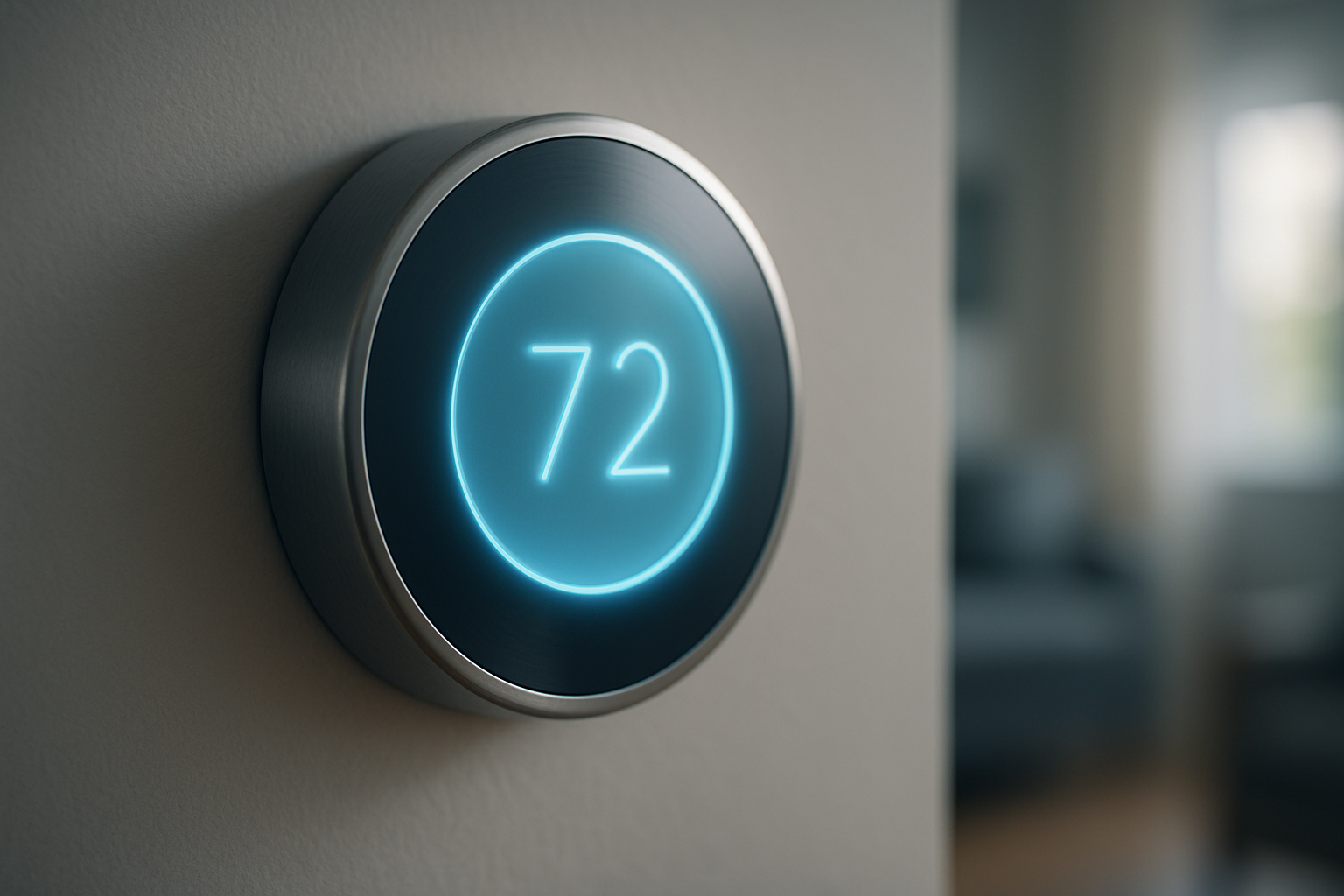
Do you want the most efficient way to cool your house this summer without wasting energy or money?
Practical approaches for the most efficient way to cool a house
You’ll find a mix of immediate, low-cost actions and longer-term upgrades that together create the most efficient cooling strategy. This article walks you through passive and active methods, maintenance, behavior changes, equipment choices, and cost-effectiveness so you can choose what fits your home and budget.
Why efficiency matters for cooling your home
Cooling accounts for a large portion of household energy use in many climates. You’ll save money, reduce environmental impact, and often improve comfort by focusing on efficiency. Efficiency means getting the same or better comfort while using less electricity or fuel.
Start with the building envelope: your first and best defense
You’ll get the most lasting energy savings by improving the parts of your home that interact with the outside: roof, walls, windows, doors, and insulation. These measures reduce heat gain so any cooling system you use works less and lasts longer.
Insulation: slow down heat transfer
Adding or upgrading insulation keeps heat from entering during the day and slows heat loss at night. You’ll notice lower peak indoor temperatures and less demand on your air conditioner.
- Attic insulation is usually the highest priority because heat rises and the attic is a major entry point.
- Check for gaps and compressions; blown-in or batt insulation should meet current recommended R-values for your climate.
Air sealing: stop the drafts
Sealing cracks, gaps, and penetrations around ducts, chimneys, windows, and doors prevents warm air from entering and cooled air from escaping. You’ll get more consistent indoor temperatures and avoid your cooling equipment running unnecessarily.
- Use caulk for stationary cracks and weatherstripping for operable elements.
- Seal attic access, recessed lights, and duct connections.
Windows and doors: control solar gain
Windows can be a major source of heat gain in summer. You’ll reduce cooling loads by shading, upgrading, or treating windows.
- Install exterior shading (awnings, shutters) or use interior blinds and reflective films.
- Consider double- or triple-glazed windows with low-E coatings if you plan a retrofit.
- Close curtains on sun-facing windows during the hottest parts of the day.
Roof and exterior: reflect and insulate
Cool roofs, reflective coatings, and light-colored materials reflect more solar radiation. You’ll lower attic and top-floor temperatures, which is especially beneficial in hot climates.
- Radiant barriers in attics reflect heat away from living spaces.
- Replace dark roofing with light or reflective materials when you re-roof.
Passive cooling strategies you can implement now
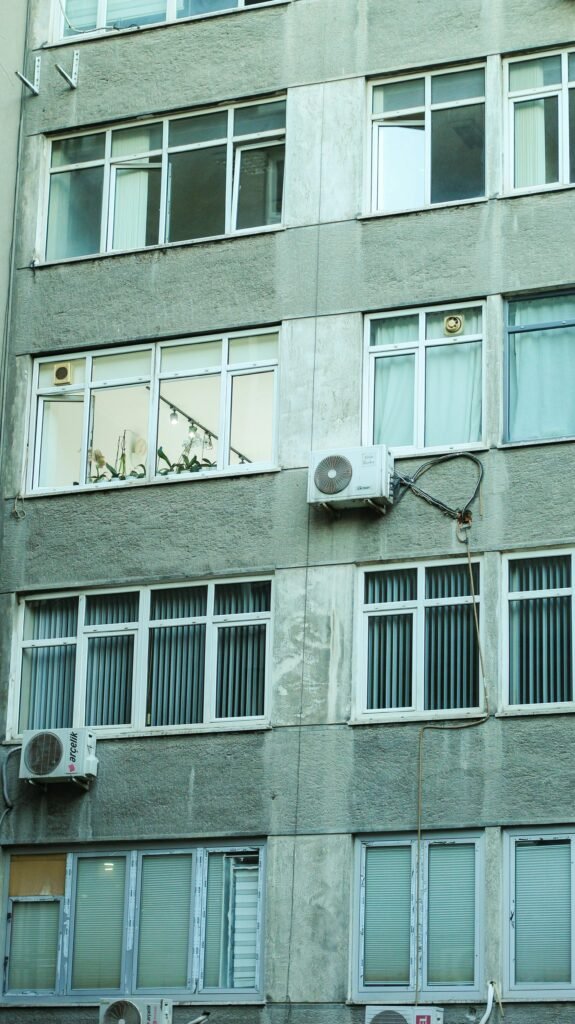
Passive strategies often cost little and can be combined for substantial effect. You’ll be able to cool your house more efficiently by relying on natural airflow and thermal properties.
Cross-ventilation and natural ventilation
Letting air move through your home can be a very effective cooling strategy, especially in dry and mild climates. You’ll need to plan openings so that air flows from cool to warm sides of the house.
- Open windows on opposite sides of a room or house to create a path for air.
- Use window placement and interior doors to guide breezes.
Night purging (night cooling)
Night purging uses cooler night air to reduce the thermal load built up during the day. You’ll need to close the house in the morning to trap the cooler air.
- Open windows late evening to early morning when outside temperatures are lower than indoors.
- Use whole-house fans to speed the process in climates with cool nights.
Thermal mass
Materials like concrete, tile, and brick absorb heat during the day and release it later at night. You’ll use thermal mass best in climates with hot days and cool nights.
- Expose materials that can store heat in rooms where you want to stabilize temperatures.
- Combine thermal mass with night purging to remove stored heat overnight.
Fans and evaporative cooling: low-energy options
Fans and evaporative coolers are lower-energy alternatives or complements to traditional air conditioning. You’ll get a big comfort boost at much lower power use.
Ceiling and portable fans
Fans don’t lower air temperature but increase cooling by improving evaporative heat loss from your skin. You’ll typically use a fan at a fraction of the power of an AC unit.
- Use ceiling fans to allow a higher thermostat setting without losing comfort—typically 3–4°F (1.5–2°C) higher.
- Turn off fans when you leave a room; fans cool people, not spaces.
Whole-house and high-volume low-speed (HVLS) fans
These are larger fans designed to move large volumes of air and can replace or reduce AC use in some climates.
- Whole-house fans in the attic can expel hot air and pull in cooler outside air at night.
- HVLS fans are efficient in large open spaces like garages or workshops.
Evaporative coolers (swamp coolers)
Evaporative cooling works best in hot, dry climates by cooling incoming air through water evaporation. You’ll use far less electricity than a vapor-compression AC when humidity is low.
- Not suitable for humid climates because added moisture reduces effectiveness.
- Requires a water supply and maintenance to prevent mineral build-up and mold.
Air conditioning options and efficiency
When passive methods and fans are not enough, choosing the right active cooling system matters. You’ll use less energy with properly sized, maintained, and selected equipment.
Central air conditioning and heat pumps
Central systems cool entire homes through ducts. Heat pumps provide both heating and cooling and are very efficient, particularly modern variable-speed models.
- Look for high SEER ratings (Seasonal Energy Efficiency Ratio) in cooling mode—higher SEER means better efficiency.
- Variable-speed compressors and fans adjust output to match demand, improving comfort and efficiency.
Ductless mini-splits (air-source heat pumps)
Ductless systems offer room-by-room control without the losses associated with ductwork. You’ll often save energy and get precise temperature control.
- Good for additions, retrofits, or homes without ducts.
- Multi-zone mini-splits allow different temperatures in different rooms.
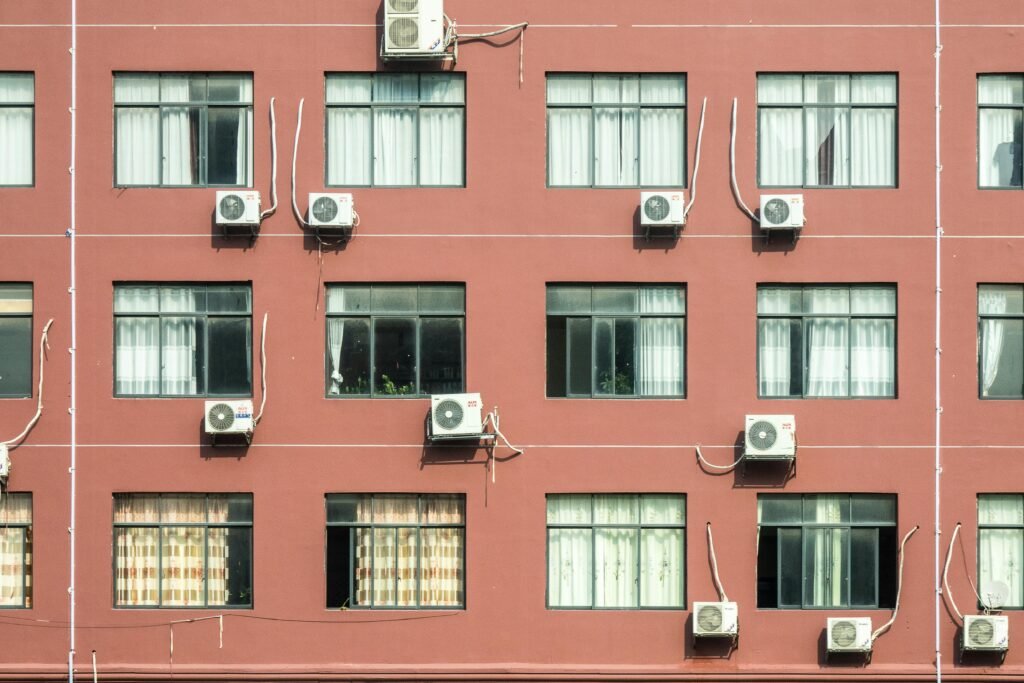
Window and portable air conditioners
These units are simple to install and good for cooling single rooms. You’ll save upfront cost but pay more per unit of cooling compared to efficient centralized systems.
- Ensure proper sizing and good sealing around the unit to avoid infiltration and inefficiency.
- Consider energy-efficient models and use them only in the rooms you occupy.
Sizing your equipment correctly
Oversized AC units short-cycle, waste energy, and reduce humidity control. Undersized units run continuously and may not hold setpoints. You’ll want a professional load calculation (Manual J) for accuracy.
- Rule-of-thumb is about 20-30 BTU per square foot, but climate, insulation, windows, and occupancy change that dramatically.
- Use Manual J for accurate sizing; HVAC contractors should provide it.
Efficiency metrics: SEER, EER, COP
Understanding ratings helps you pick efficient equipment.
| Metric | What it measures | How you can use it |
|---|---|---|
| SEER (Seasonal Energy Efficiency Ratio) | Seasonal efficiency for air conditioners | Higher SEER = lower seasonal cooling energy use |
| EER (Energy Efficiency Ratio) | Efficiency at a specific outdoor temperature | Useful for hot climates and peak-shaving considerations |
| COP (Coefficient of Performance) | Heat pump efficiency (output/input) | Higher COP = more efficient; used for heat pumps |
Ductwork and distribution: don’t ignore the hidden losses
Ducts can lose cool air before it reaches living spaces. You’ll improve efficiency by sealing, insulating, and balancing ducts.
Seal and insulate ducts
Leaky ducts can lose 10–30% of conditioned air. You’ll reduce waste by sealing seams and insulating ducts that pass through attics, garages, or crawlspaces.
- Use mastic or foil tape (not cloth-backed duct tape) for sealing.
- Insulate ducts to at least R-6 in unconditioned spaces, more in very hot climates.
Balance and zone your system
Balancing airflow and using zoning improves comfort and avoids overcooling some areas while others are warm.
- Dampers and zoning systems can route conditioned air to occupied spaces.
- Smart thermostats and multi-zone mini-splits provide room-by-room control.

Thermostat strategies and smart controls
Thermostat settings and control strategies have a large effect on cooling energy use. You’ll save energy with small setpoint changes and smarter scheduling.
Optimal setpoints and scheduling
Raising your thermostat a few degrees reduces cooling energy substantially without a noticeable comfort loss if you use fans. You’ll save energy by setting it higher when you’re away.
- Recommended daytime setpoint while at home: 24–26°C (75–78°F) for comfort, can be higher with fans.
- While away: increase setpoint by 4–6°F (2–3°C) or use a program that adapts to your schedule.
Smart thermostats and adaptive controls
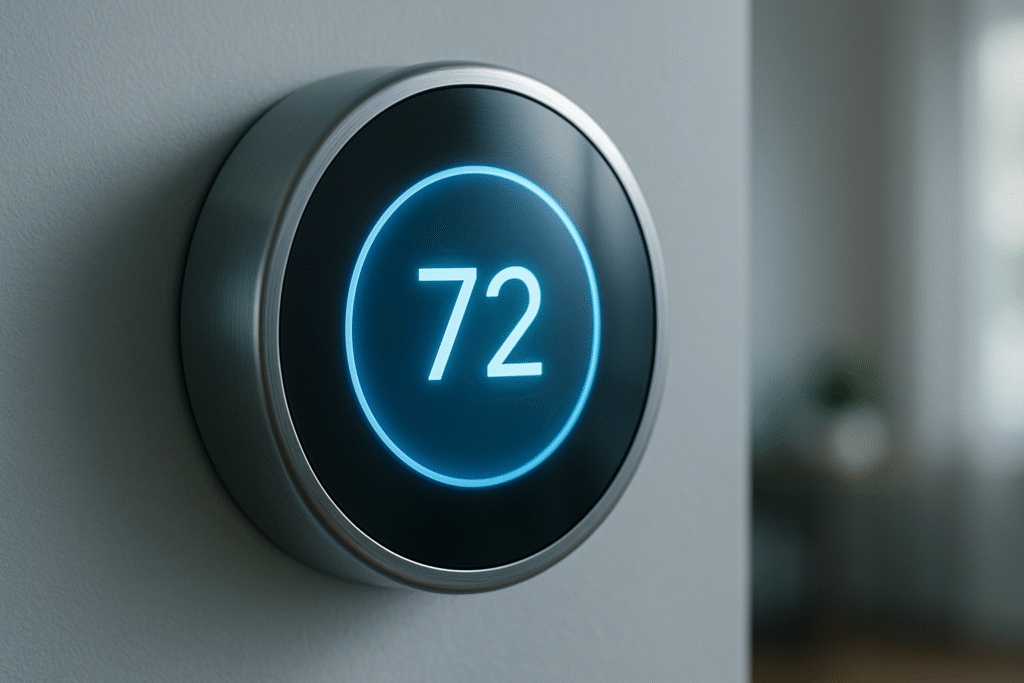
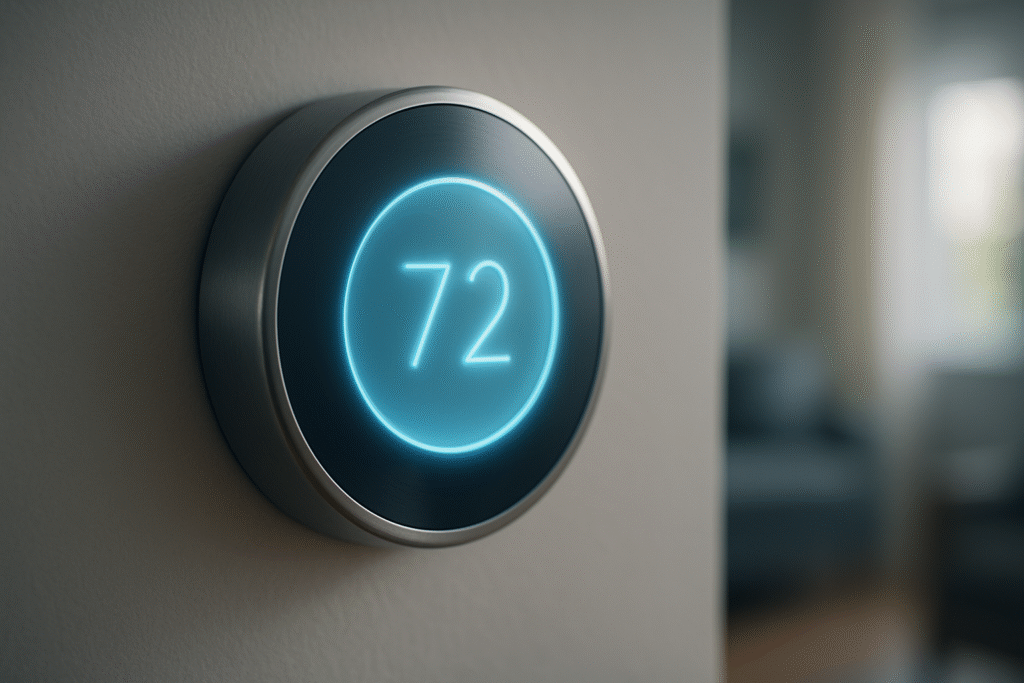
Smart thermostats learn patterns and can optimize runtime, integrate with weather forecasts, and control systems for peak savings. You’ll get convenience plus potential energy savings.
- Use geofencing, occupancy sensing, or schedules to reduce cooling when you’re away.
- Some utilities offer rebates for smart thermostats.
Maintenance: keep your system running efficiently
Regular maintenance preserves efficiency and comfort. You’ll prevent small issues from becoming big problems.
Regular filter changes and coil cleaning
Dirty filters and coils reduce airflow and heat transfer, making systems work harder.
- Replace or clean filters every 1–3 months depending on use and filter type.
- Clean evaporator and condenser coils annually and keep outdoor units clear of debris.
Check refrigerant levels and airflow
Low refrigerant or restricted airflow reduces capacity and increases energy use. You’ll need a qualified technician for refrigerant checks and repairs.
Professional tune-ups
Annual or bi-annual professional maintenance keeps efficiency high and extends equipment life.
- Inspect belts, motors, electrical connections, and condensate drains.
- Check thermostat calibration and system controls.
Combining strategies for maximum results
The best approach is layered: reduce heat gain first, then use efficient cooling systems, and finally optimize operating behavior. You’ll often get the largest savings from low-cost measures followed by targeted investments.
Priority list for most homes
- Seal air leaks
- Add attic insulation
- Install shading for windows and reflective roof treatments
- Improve duct sealing/insulation
- Add ceiling fans and smart thermostats
- Upgrade to efficient AC or heat pump if the current system is old or failing
Cost vs. benefit: what yields the best return
Different measures have different payback periods. You’ll choose based on budget, how long you plan to stay in the home, and local climate.
| Measure | Typical cost range (USD) | Typical annual savings | Typical payback |
|---|---|---|---|
| Attic insulation | $1,000–$3,000 | $100–$300 | 3–10 years |
| Duct sealing/insulation | $200–$1,000 | $50–$200 | 1–5 years |
| Cool roof coating | $500–$3,000 | $50–$200 | 3–10 years |
| Ceiling fans | $50–$300 per room | $20–$50 per room | <2 years< />d> |
| Smart thermostat | $100–$300 | $50–$150 | 1–3 years |
| Mini-split heat pump | $2,000–$10,000 per zone | $300–$1,000 | 2–7 years depending on replacement and climate |
| High-efficiency central AC | $3,000–$10,000 | $100–$500 | 4–12 years |
Values are approximate and vary by climate, electricity prices, and home characteristics.
Climate-specific advice
The most efficient solutions depend on whether you live in a hot-dry, hot-humid, temperate, or mixed climate. You’ll prioritize different measures accordingly.
Hot-dry climates
Focus on evaporative cooling, shading, reflective roofs, and thermal mass. You’ll get great results from outdoor shading and night purge strategies.
Hot-humid climates
Focus on dehumidification, sealed and insulated ducts, high-efficiency air conditioning, and minimizing evaporative cooling. You’ll need systems that control humidity and provide consistent airflow.
Temperate climates
You’ll use a mix of passive strategies (natural ventilation, shading) and heat pumps for both efficient cooling and heating. Night purging and cross-ventilation are particularly useful.
Practical checklist: implementable steps for immediate savings
Here’s a compact list you can follow to start saving today. You’ll get fast wins and longer-term improvements using these steps.
- Seal visible air leaks (doors, windows, outlets).
- Close blinds on sun-facing windows during peak sun hours.
- Set your thermostat 3–4°F higher and use fans to stay comfortable.
- Replace or clean HVAC filters monthly during heavy use.
- Keep outdoor condenser units free of debris and vegetation.
- Use kitchen and bathroom exhaust fans to remove internal heat and humidity.
- Schedule a professional HVAC tune-up once a year.
- Add attic insulation if it’s below recommended levels for your region.
Common mistakes and how to avoid them
You’ll avoid wasted money and poor comfort by knowing what not to do.
- Mistake: Oversizing AC units. Effect: Short cycling and humidity problems. Solution: Get a Manual J load calculation.
- Mistake: Skipping duct sealing. Effect: Lost cooling and uneven temperatures. Solution: Seal and insulate ducts in unconditioned spaces.
- Mistake: Relying only on portable fans/AC for whole-house cooling. Effect: High operating costs and poor distribution. Solution: Use room units strategically and consider multi-zone systems.
- Mistake: Blocking vents or returns. Effect: Reduced system efficiency. Solution: Keep supply and return vents unobstructed and balanced.
Rebates, incentives, and financing
You may qualify for rebates, tax credits, or low-interest financing for efficiency upgrades. You’ll reduce upfront cost by researching local utility programs and federal incentives for heat pumps and insulation.
- Check your utility’s energy efficiency program for rebates on HVAC, insulation, and smart thermostats.
- Look for state or federal incentives for heat pumps and energy-efficiency retrofits.
- Ask contractors about financing options or on-bill financing programs.
Selecting contractors and verifying work
Good installation is as important as equipment choice. You’ll get better results by choosing qualified contractors and verifying their work.
- Ask for references and check reviews.
- Request a Manual J load calculation and Manual D duct design when applicable.
- Confirm licensing and insurance.
- Get multiple quotes and compare equipment efficiency, warranties, and installation details.
Troubleshooting common cooling problems
You’ll diagnose a few common problems with simple checks before calling a pro.
- Weak airflow: Check dirty filters, closed dampers, or blocked vents.
- Inconsistent temperatures: Check duct leaks, insulation gaps, and thermostat placement (avoid sun or heat sources).
- Short cycling: Possible oversized equipment, refrigerant issues, or airflow restrictions.
- High humidity: Check that the system is running long enough to dehumidify; consider a dehumidifier or a higher latent-capacity system.
Long-term planning and upgrades
If you plan to stay in the home for many years, consider bigger investments that pay off over time. You’ll benefit most from targeted upgrades that suit your climate and home layout.
- Replace old HVAC systems with high-efficiency heat pumps or variable-speed equipment.
- Improve the building envelope with continuous insulation, new windows, and cool roofs.
- Add smart home controls and zoning to match modern living patterns.
Summary and prioritization
You’ll get the most efficient cooling by combining building envelope improvements, passive cooling strategies, and efficient active systems. Prioritize low-cost, high-impact measures first—air sealing, attic insulation, shading, and fan use—then move to HVAC upgrades, ductwork fixes, and advanced controls. Maintenance and correct equipment sizing will protect your investment and keep your home comfortable for less energy.
Quick decision table: which approach to start with
| Situation | Best initial action | Why it helps |
|---|---|---|
| You have high energy bills, old AC | Tune-up and consider high-efficiency replacement | Improves performance and can lower consumption |
| You feel uneven temperatures | Inspect and seal ducts; balance airflow | Reduces loss and distributes cooling better |
| Your upstairs is unbearably hot | Add attic insulation and attic ventilation | Stops heat from entering living spaces |
| You live in a dry climate | Use evaporative cooling + shading | Low-cost cooling with good effectiveness |
| You live in a humid climate | Improve AC dehumidification and seal home | Controls humidity and reduces AC runtime |
| You want low upfront cost | Use ceiling fans, shading, and thermostat changes | Immediate comfort with little investment |
If you follow the layered approach described here—start with sealing and insulation, apply passive strategies, add low-energy measures like fans and evaporative cooling where appropriate, and finally choose efficient mechanical systems and controls—you’ll achieve the most efficient way to cool your house, tailored to your comfort needs and budget.