

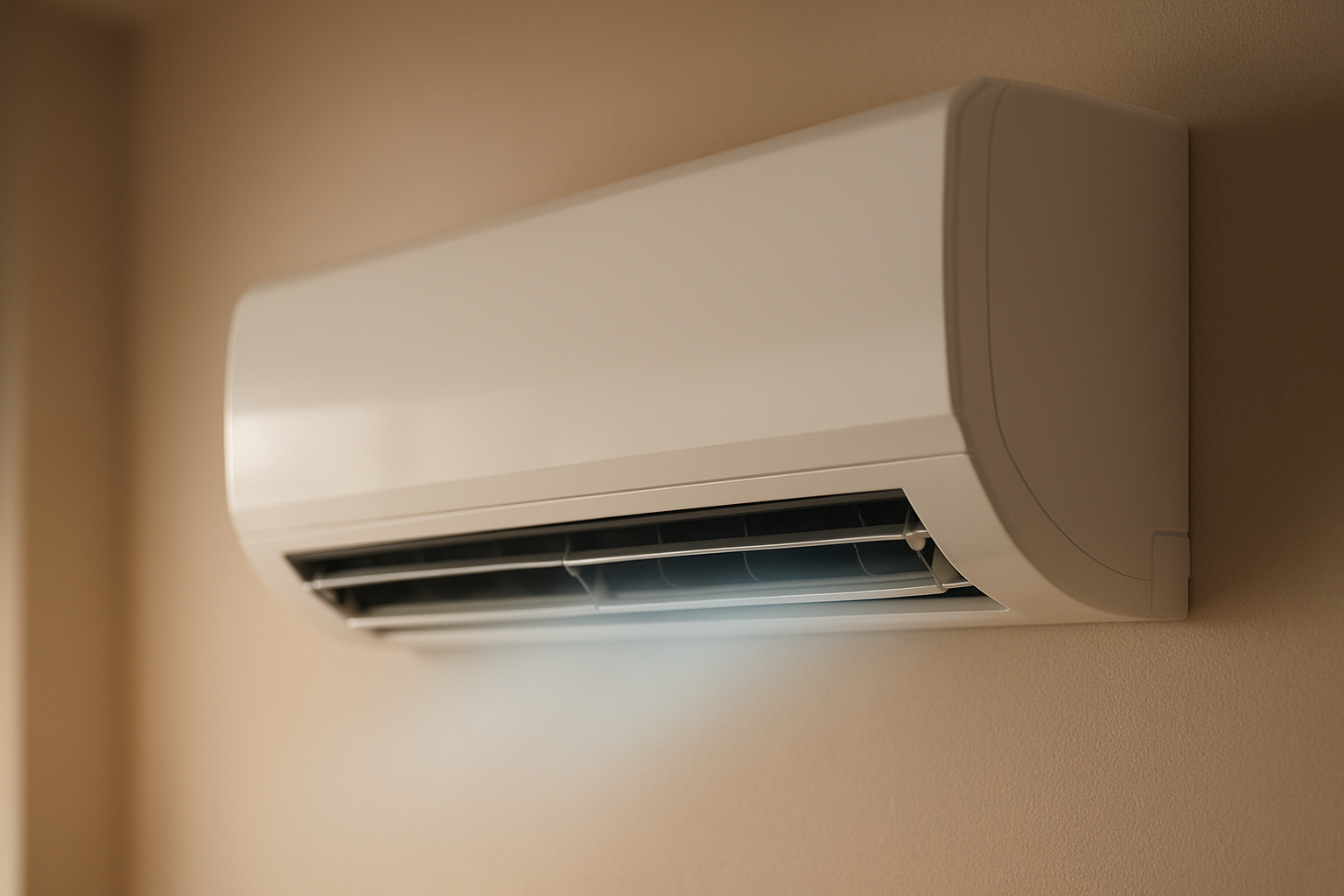
Have you thought about how efficient your next air conditioner should be and what SEER rating really means for your energy bills and comfort?
Choosing the Right Seer Air Conditioner for Your Home
You want an air conditioner that keeps your home comfortable without costing you a fortune in energy bills. Choosing the right SEER-rated system helps you balance upfront cost, long-term savings, performance, and environmental impact. This guide walks you through what SEER is, how to pick the appropriate rating for your needs, system types, costs, installation considerations, and whether a very high-efficiency option like a 42 SEER air conditioner makes sense for your home.
What is SEER?
SEER stands for Seasonal Energy Efficiency Ratio and it measures cooling efficiency over a typical cooling season. In simple terms, a higher SEER number means the system provides more cooling output per unit of electricity consumed, so it’s generally more energy-efficient.
Manufacturers test and label units with SEER so you can compare models. Keep in mind that SEER is a laboratory-derived metric that helps you estimate relative efficiency rather than guarantee exact in-home performance.
How SEER is calculated
SEER is the ratio of the total cooling output (in BTUs) over a typical cooling season divided by the total electric energy input (in watt-hours) during that same period. It’s a seasonal average, not a single-condition measurement, which is why it’s more useful than simple instantaneous efficiency numbers.
Because SEER is a standardized metric, you can compare units across brands. However, newer testing protocols (SEER2) have adjusted calculation methods to more closely reflect real-world performance, so some ratings may shift depending on which test protocol the manufacturer used.
Why SEER matters for your home
Choosing the right SEER affects both your monthly utility bills and your environmental footprint. Higher-SEER units generally use less electricity to produce the same cooling, which cuts operating costs and greenhouse gas emissions if your electricity comes from fossil fuels. But higher SEER typically means a higher purchase price, so you’ll want to weigh upfront cost against long-term savings.

Common SEER Ratings and What They Mean for You
Your home and budget will determine which SEER range makes sense. SEER ratings have broadened as technology improved—from common baseline ratings in the low teens to ultra-high-efficiency units rated into the 30s and low 40s. Below is an overview of typical SEER bands and what you can expect.
Low SEER (13–14)
Low-SEER systems are basic and were the standard for many years. They cost less upfront but use more electricity. You might consider a low-SEER unit only if your budget is very tight, you plan to replace again soon, or your cooling load is minimal.
Mid-range SEER (15–18)
This range is common for homeowners aiming for a balance between purchase price and operating savings. Many modern central systems and heat pumps fall in this band and offer improved comfort features like two-stage compressors and variable-speed fans.
High SEER (19–26)
High-SEER models deliver better energy savings and more advanced features like inverter-driven compressors or extensive modulation. They can be worth the extra expense if you live in a hot climate, have high cooling loads, or plan to stay in your home long enough to recoup the investment.
Ultra-high SEER (30–42)
Ultra-high SEER systems, including units marketed as 30 SEER or 42 SEER, are typically found in high-efficiency ductless mini-split systems and advanced heat pumps with inverter technology. These systems can dramatically lower energy use in the right conditions but tend to cost much more upfront and may offer diminishing returns in mild climates.
Note: After changes in testing procedures (e.g., SEER2), published ratings can shift slightly. Confirm which test protocol the manufacturer used and whether the rating is SEER or SEER2.
SEER Ranges and Typical Applications (Quick Comparison)
| SEER Range | Typical System Types | Best For | Typical Upfront Cost Impact |
|---|---|---|---|
| 13–14 | Basic central AC, older replacements | Tight budget, short-term ownership | Lowest |
| 15–18 | Modern central AC, standard heat pumps | Average homes, moderate climates | Moderate |
| 19–26 | High-efficiency central AC, inverter heat pumps, better mini-splits | Hot climates, long-term owners | Higher |
| 30–42 | Advanced ductless mini-splits, top-tier inverter systems | Small homes, very hot climates, solar households | Highest |

How to Choose the Right SEER for Your Home
Selecting the right SEER is about matching efficiency to your circumstances. You need to consider climate, home size and insulation, budget constraints, and how long you’ll stay in the house.
Climate considerations
If you live in a hot, long cooling-season climate, a higher SEER will save you more money over time because you’ll run the system more often. In mild climates with short summers, the extra cost of a very-high-SEER system may take decades to pay back.
Home size and insulation
A well-insulated, tight home reduces the overall cooling load, meaning you might not need an ultra-high-SEER system to achieve low energy bills. If your home is poorly insulated or leaky, investing instead in insulation and air sealing can be more cost-effective than chasing the highest SEER number.
Budget (upfront vs operating costs)
You’ll pay more upfront for higher SEER but save on monthly operating costs. Consider how long you’ll keep the system: the longer you plan to stay, the more time you have to recoup the initial premium through energy savings.
Utility rates and incentives
If your electricity rates are high, or if local utilities and governments offer rebates for high-efficiency equipment, moving to a higher SEER becomes more attractive. Check local incentive programs because they can significantly shorten your payback period.
Recommended SEER by Climate and Budget
| Climate Type | Typical Cooling Hours / Year | Recommended SEER | Why |
|---|---|---|---|
| Cold / Short Cooling Season |