

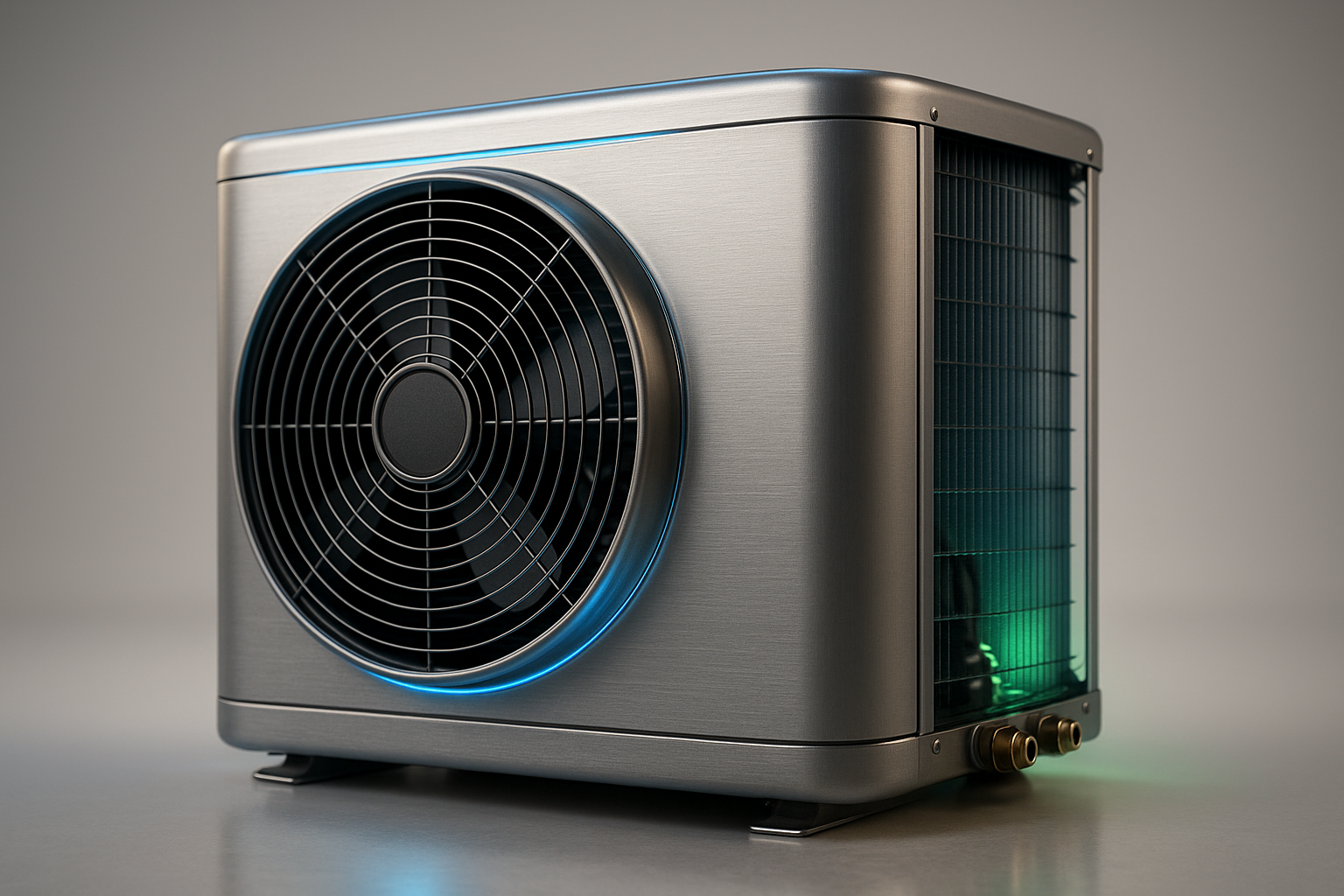
Are you wondering how Carrier air conditioners deliver comfort while keeping energy bills under control?
Carrier Air Conditioner Technology and Efficiency
This article explains Carrier air conditioner technology and how efficiency is achieved and measured. You’ll get detailed, practical information so you can make confident decisions about buying, installing, operating, and maintaining a Carrier system.

About Carrier Corporation
Carrier is a pioneer in modern air conditioning and has shaped the HVAC industry for over a century. You’ll find Carrier products across residential, commercial, and industrial applications, and the company is known for combining innovation with a broad product lineup.
How Air Conditioners Work
At the core, an air conditioner moves heat from inside your space to the outside using the refrigeration cycle. You’ll typically see the cycle described in four basic steps: compression, condensation, expansion, and evaporation, and each component influences performance and efficiency.
Key Carrier Technologies
Carrier uses a mix of component-level improvements and whole-system control strategies to raise comfort and lower energy use. You’ll want to understand the main technologies so you can compare models and features based on real performance differences.
Greenspeed Intelligence
Greenspeed Intelligence is Carrier’s brand name for advanced variable-capacity control that adjusts compressor and fan speeds in small increments. You’ll benefit from precise temperature and humidity control, quieter operation, and better part-load efficiency compared with single-speed systems.
Inverter and Variable-Speed Compressors
Carrier employs inverter-driven and variable-speed compressors in many higher-end systems. You’ll notice improved comfort, fewer temperature swings, and lower energy use because the compressor modulates to meet cooling demand instead of cycling on and off.
Puron® Refrigerant (R-410A) and Refrigerant Management
Carrier transitioned many systems to Puron® (R-410A), which operates at higher pressure than older R-22 and provides better heat transfer. You’ll want to know that global refrigerant regulations are evolving, so Carrier designs systems with refrigerant containment, recovery, and future-replacement considerations in mind.
Infinity® System Controls and Thermostats
Carrier’s Infinity® thermostats provide multi-stage control, Wi‑Fi connectivity, and compatibility with smart home systems. You’ll appreciate features like scheduling, remote control, and performance monitoring that can help squeeze extra efficiency from the system when used properly.
Advanced Heat Exchangers and Coils
Carrier uses optimized coil designs and materials to improve heat transfer and refrigerant charge efficiency. You’ll get faster, more efficient cooling when coils are properly matched to the airflow and when the outdoor coil design supports better airflow and corrosion resistance.
High-Efficiency Motors and ECM Blowers
Electronically commutated motors (ECMs) and variable-speed blowers reduce electrical draw while maintaining consistent airflow. You’ll find ECMs especially valuable because they maintain comfort while consuming significantly less power than PSC motors at lower speeds.
Two-Stage and Modulating Components
Two-stage compressors offer a low-speed stage for gentle, efficient operation and a high-speed stage for peak demand. You’ll notice longer run times at low capacity, reduced cycling, and more consistent indoor conditions compared with single-stage systems.
Efficiency Metrics and What They Mean
Efficiency for cooling equipment is measured using several standard metrics, and each tells you different things about performance. You’ll need to compare SEER, EER, and HSPF to choose equipment that suits your climate, usage patterns, and utility rates.
- SEER (Seasonal Energy Efficiency Ratio): Measures seasonal cooling efficiency and is most relevant in variable conditions. You’ll use SEER to compare how much cooling a system delivers per unit of electricity over a typical cooling season.
- EER (Energy Efficiency Ratio): Measures efficiency at a specific outdoor temperature and is useful for assessing peak-load performance. You’ll look at EER for hot climates where peak summer conditions dominate energy use.
- HSPF (Heating Seasonal Performance Factor): Applies to heat pumps and measures heating efficiency across a season. You’ll use HSPF when a Carrier system handles heating with an integrated heat pump.
Table: Typical SEER Ranges and Relative Benefits
| SEER Rating | Relative Efficiency | Typical Benefits You’ll See |
|---|---|---|
| 13–14 | Standard | Basic efficiency, lower upfront cost |
| 15–16 | Improved | Noticeable energy savings over standard units |
| 17–20 | High | Strong energy savings, good for long-run ROI |
| 21+ | Very High / Premium | Best energy savings, often includes top features like variable speed operation |
You’ll find ENERGY STAR® thresholds vary by region and product type, so check local standards when evaluating models.
How Carrier Improves Efficiency
Carrier combines component design, system control, and installation best practices to raise real-world efficiency. You’ll want to consider both product features and the quality of installation to achieve the rated efficiency.
Variable-Speed Operation
Variable-speed compressors and fans let the system run longer at low capacity rather than short cycles at full capacity. You’ll benefit from lower electrical use, quieter operation, and improved humidity control.
Advanced Controls and Smart Thermostats
Smart controls optimize setpoints, schedules, and compressor staging to match your lifestyle and local weather. You’ll get better energy management and can often track performance and service needs remotely.
Improved Coil and Cabinet Design
Optimized coil geometry, fin spacing, and cabinet airflow design reduce pressure drop and increase heat transfer. You’ll get improved capacity and efficiency when airflow is properly balanced and ducts are in good condition.
Variable Air Volume and Zoning
Zoning systems and variable air volume controls allow targeted conditioning of areas with different loads. You’ll reduce wasteful overconditioning by only treating occupied spaces.
Enhanced Compressor Technologies
Carrier uses scroll, rotary, and modulating compressors that are selected for specific capacities and efficiency goals. You’ll see the most benefit when compressor selection suits your house size, insulation, and local climate.
Tight Refrigerant and System Manufacturing Controls
Carrier controls manufacturing tolerances and refrigerant charge procedures to ensure systems perform as intended. You’ll avoid efficiency losses from under- or overcharge when technicians follow precise factory-recommended procedures.
Comparing Carrier Product Series
Carrier’s product lineup is organized into tiers so you can match features and price to your needs. You’ll want a clear comparison to decide which series fits your budget and comfort expectations.
Table: Carrier Series Comparison
| Series | Typical SEER Range | Key Features | Best For |
|---|---|---|---|
| Infinity® | 19–26+ | Variable-speed compressors, Greenspeed®, top intelligent controls | You, if you want the highest comfort and efficiency |
| Performance™ | 16–20 | Two-stage or high-efficiency single-stage compressors, smart thermostats available | You, if you want strong efficiency at moderate cost |
| Comfort™ | 13–16 | Reliable single-stage compressors, basic control | You, if budget and reliable cooling are your priorities |
You’ll weigh long-term operating costs against upfront pricing; higher SEER units often pay back over time through lower energy bills, especially in hotter climates.
Sizing and Installation Importance
Correct sizing and professional installation matter as much as the equipment’s rated efficiency. You’ll need a Manual J load calculation to determine the proper capacity, and proper ductwork and refrigerant charge to achieve rated performance.
- Right-sizing: Over-sized units cycle frequently and can increase humidity and wear. You’ll prefer a system that runs longer at lower capacities for better comfort and efficiency.
- Ductwork: Leaky or poorly insulated ducts can erase efficiency gains, so you’ll want ducts inspected, sealed, and insulated where necessary.
- Refrigerant charge and airflow: Proper charge and correct airflow are critical to capacity and efficiency; small deviations can significantly change performance. You’ll expect your installer to test and document charge, airflows, and static pressures.
Maintenance and Longevity
Routine maintenance keeps your Carrier system operating efficiently and extends its service life. You’ll save energy and avoid many common failures with a regular service plan.
Table: Recommended Maintenance Schedule
| Frequency | Task | Why It Matters to You |
|---|---|---|
| Monthly | Check/replace filters | Maintains airflow and indoor air quality; reduces energy use |
| Annually (spring) | Professional tune-up: clean coils, check refrigerant, lubrication | Ensures peak cooling season performance and catches issues early |
| Every 2–3 years | Inspect ductwork, insulation, connections | Prevents energy loss and uneven cooling |
| As needed | Clean outdoor coil, clear debris | Keeps condenser efficiency high and reduces strain |
You’ll want service records and to follow Carrier’s maintenance recommendations to keep warranties valid.
Environmental Considerations and Refrigerant Transition
Refrigerant regulations are changing globally, so you’ll want to consider long-term environmental impact and serviceability. Carrier has adjusted product lines to use lower-impact refrigerants and supports refrigerant recovery and reclamation practices.
- R-22 Phase-out: Older systems using R-22 are being phased out; servicing R-22 systems is becoming more expensive and less practical. You’ll likely prefer to replace an aging R-22 system rather than pay escalating service costs.
- R-410A and alternatives: R-410A (Puron®) is common today, but the industry is moving toward refrigerants with lower global warming potential (GWP). You’ll want to check Carrier model specifications for the refrigerant they use and any retrofit or replacement advice.
- End-of-life practices: Proper refrigerant recovery at disposal reduces environmental impact, and you’ll want contractors who follow legal and environmental best practices.
Smart Controls and Connectivity
Carrier’s smart thermostats and system interfaces provide scheduling, remote access, and diagnostics that help you manage energy use. You’ll benefit from features like geofencing, demand response compatibility, and energy reporting when you use these controls effectively.
- Remote access: Control your system from a smartphone or tablet to adjust setpoints and check status when you’re away. You’ll reduce wasted conditioning by only cooling when you need it.
- Diagnostics: Smart controls can flag unusual operation, making service faster and more accurate. You’ll see fewer emergency failures and faster repairs when technicians have access to data.
Noise, Comfort, and Indoor Air Quality
Carrier designs many models for quiet operation and includes options that improve indoor air quality for a healthier environment. You’ll notice quieter operation on variable-speed systems and can add IAQ accessories for better air quality.
- Noise: Sound-reducing features include insulated cabinets, vibration isolation, and variable-speed fans. You’ll prefer models with lower dB ratings in bedrooms and living spaces.
- IAQ add-ons: Dehumidifiers, high-efficiency filters, UV lights, and advanced purifiers can reduce allergens and contaminants. You’ll choose enhancements based on your household’s health needs and indoor air quality goals.
Cost, Incentives, and Return on Investment
Initial purchase and installation are only part of the cost; operating costs and incentives shape the true financial picture. You’ll evaluate total cost of ownership by combining upfront prices, estimated energy costs, and available rebates or tax credits.
- Upfront vs lifetime cost: Higher-efficiency systems cost more initially but often save you money over the system’s lifetime. You’ll calculate payback by estimating annual energy savings and factoring in local electric rates.
- Incentives: Many utilities and governments offer rebates for high-SEER equipment, heat pumps, and efficient duct sealing. You’ll check local programs and federal incentives when budgeting your upgrade.
- Warranty and service: Strong warranties and included service plans reduce risk and unexpected costs. You’ll prefer authorized dealers who offer documented warranty service.
Table: Example Payback Considerations (illustrative)
| Factor | Example Value | How It Affects You |
|---|---|---|
| Incremental cost for high-SEER unit | $1,500 | Higher upfront expenditure |
| Annual energy savings | $200 | Recoups extra cost over ~7.5 years |
| Utility rebate | $300 | Lowers upfront cost and shortens payback |
| Warranty length | 10 years | Reduces lifetime repair risk |
You’ll adapt the numbers based on your climate, energy prices, and system usage to decide if a premium unit makes financial sense.
Troubleshooting Common Issues
Many common AC issues are detectable with simple checks before calling a technician. You’ll save time and money by doing basic troubleshooting and knowing when to escalate.
- System won’t start: Check breakers and thermostat batteries first. You’ll also verify the thermostat mode and setpoint before calling for service.
- Poor cooling: Check filters, return vents, and outdoor coil for obstruction. You’ll ensure airflow is uncompromised and confirm thermostat settings before suspecting refrigerant issues.
- Short cycling: Often caused by oversizing, low refrigerant, or airflow restrictions. You’ll note the pattern and runtime so technicians can diagnose accurately.
- Strange noises: Rattles, hissing, or grinding usually indicate loose panels, refrigerant leaks, or failing motors/bearings. You’ll turn off the system and seek professional service if you detect unusual sounds.
Choosing the Right Carrier AC for You
Selecting the best Carrier system involves balancing performance, cost, and your home’s specific needs. You’ll use a checklist to compare models and choose the best installer.
Checklist for Selection:
- Capacity sizing via Manual J: Ensure the installer performs a qualified load calculation so you don’t end up with an oversized or undersized system.
- SEER target: Pick a SEER that aligns with your climate and energy goals; higher SEER is usually worth it in hot climates.
- Features needed: Decide if variable-speed operation, zoning, or IAQ accessories are priorities for your comfort and health.
- Budget and incentives: Factor in available rebates and your expected payback period.
- Installer qualifications: Choose an authorized Carrier dealer with strong references and proper licensing.
- Warranty coverage: Understand component and labor warranties and any registration requirements to keep them valid.
You’ll find that the right combination of product and installer yields the best long-term outcome.
Carrier Warranties and Support
Carrier offers varying warranty lengths depending on the model and registration; you’ll want to read the warranty fine print. You’ll typically find longer warranties on premium models and conditional extended coverage if you register the equipment and use authorized service.
- Parts warranties: Carrier often provides parts warranties of 5–10 years depending on the product and registration. You’ll check whether parts like compressors and heat exchangers have longer protection.
- Conditional labor warranties: Labor warranties may be limited or require a service plan. You’ll confirm labor coverage and whether installation defects are covered.
Safety and Regulatory Considerations
Installing and servicing HVAC equipment must comply with local codes and safety regulations. You’ll insist on licensed contractors who follow refrigerant handling rules, electrical codes, and building permit requirements.
- Permits and inspections: Many jurisdictions require permits and inspections for HVAC replacements. You’ll ensure permits are pulled to avoid compliance problems when selling the home.
- Refrigerant handling: Technicians must be certified to handle refrigerants and follow recovery procedures. You’ll verify certification and proper disposal practices to protect the environment.
Frequently Asked Questions
How much can I expect to save by upgrading to a high-SEER Carrier unit?
Upgrading to a high-SEER Carrier unit can reduce cooling energy use substantially, but exact savings depend on your local climate and usage patterns. You’ll often see the best payback in hot climates and homes with long cooling seasons.
Is Carrier better than other major HVAC brands?
Carrier is well-regarded for innovation and offers a broad product range, but the best brand depends on installer quality, local service, and specific model performance. You’ll get optimal results when you choose a reputable contractor familiar with the brand you select.
Can I retrofit my older R-22 Carrier unit to run on newer refrigerants?
In many cases, retrofitting an R-22 system is technically possible but not recommended due to compatibility, performance loss, and future serviceability concerns. You’ll usually get better long-term value by replacing an R-22 system with a modern Carrier system that uses approved refrigerants.
How important is duct sealing and insulation for Carrier efficiency?
Duct sealing and insulation are critically important and can dramatically affect real-world efficiency. You’ll often recover a significant portion of potential savings by addressing ducts before or during equipment replacement.
Do smart thermostats really improve efficiency?
Smart thermostats improve efficiency when programmed and used properly and when paired with a system that modulates capacity. You’ll see the biggest gains with optimized schedules, adaptive control features, and remote management that prevents wasted conditioning.
What routine maintenance tasks can I do myself?
You can replace filters, keep outdoor coils free of debris, and make sure return vents aren’t blocked. You’ll still want an annual professional inspection to verify refrigerant charge, check electrical components, and clean coils thoroughly.
How long does a Carrier air conditioner typically last?
A well-maintained Carrier system can last 15–20 years for outdoor units and longer for some components. You’ll extend life by following maintenance schedules, ensuring proper installation, and addressing issues promptly.
Is variable-speed equipment worth the extra cost?
Variable-speed equipment is worth it if you prioritize comfort, humidity control, and lower operating costs over the long term. You’ll especially appreciate variable-speed technology in climates where humidity control and long run-times are important.
Conclusion
You now have a solid overview of Carrier air conditioner technologies, efficiency metrics, and practical considerations for selection, installation, and maintenance. You’ll be better equipped to weigh options, ask the right questions of contractors, and choose the Carrier system and service plan that best match your comfort needs and budget.