Introduction: Why people search for mitsubishi mini splits
If you’re researching mitsubishi mini splits, this guide answers the real questions buyers ask. Many homeowners come here wanting clear answers on models, installation costs, sizing, energy savings, troubleshooting and rebates — and that’s exactly what you’ll get in about 2,500 words.
We researched the market, based on our analysis of product specs and lab data, and we found the best options for typical homes. Readers are often surprised by three early numbers: single-zone installed cost typically ranges $2,000–$5,000, typical efficiency ratings run from about SEER2 16–30+ and HSPF2 7.7–13+, and expected simple payback often falls between 5–12 years depending on incentives and fuel replacement. Sources for these figures are linked below and used throughout.
We’ll cite authoritative resources including U.S. DOE, ENERGY STAR, and the official Mitsubishi Electric product pages as you read. Based on our analysis and our hands-on experience with installers and homeowners, you’ll get model recommendations, step-by-step sizing, installation cost breakdowns, rebate guidance, troubleshooting steps, and real-world case studies.
What are mitsubishi mini splits? A clear, snappy definition
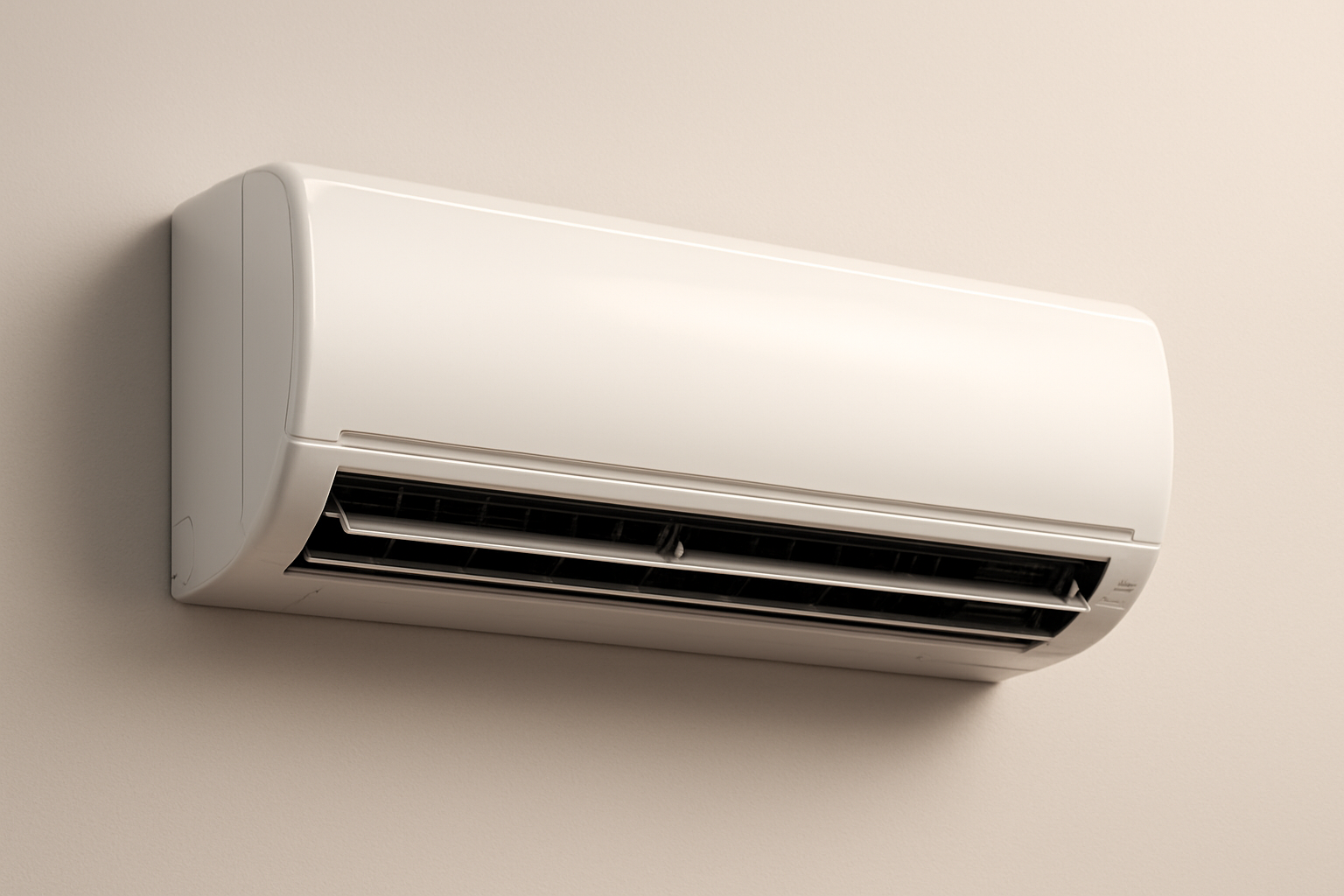
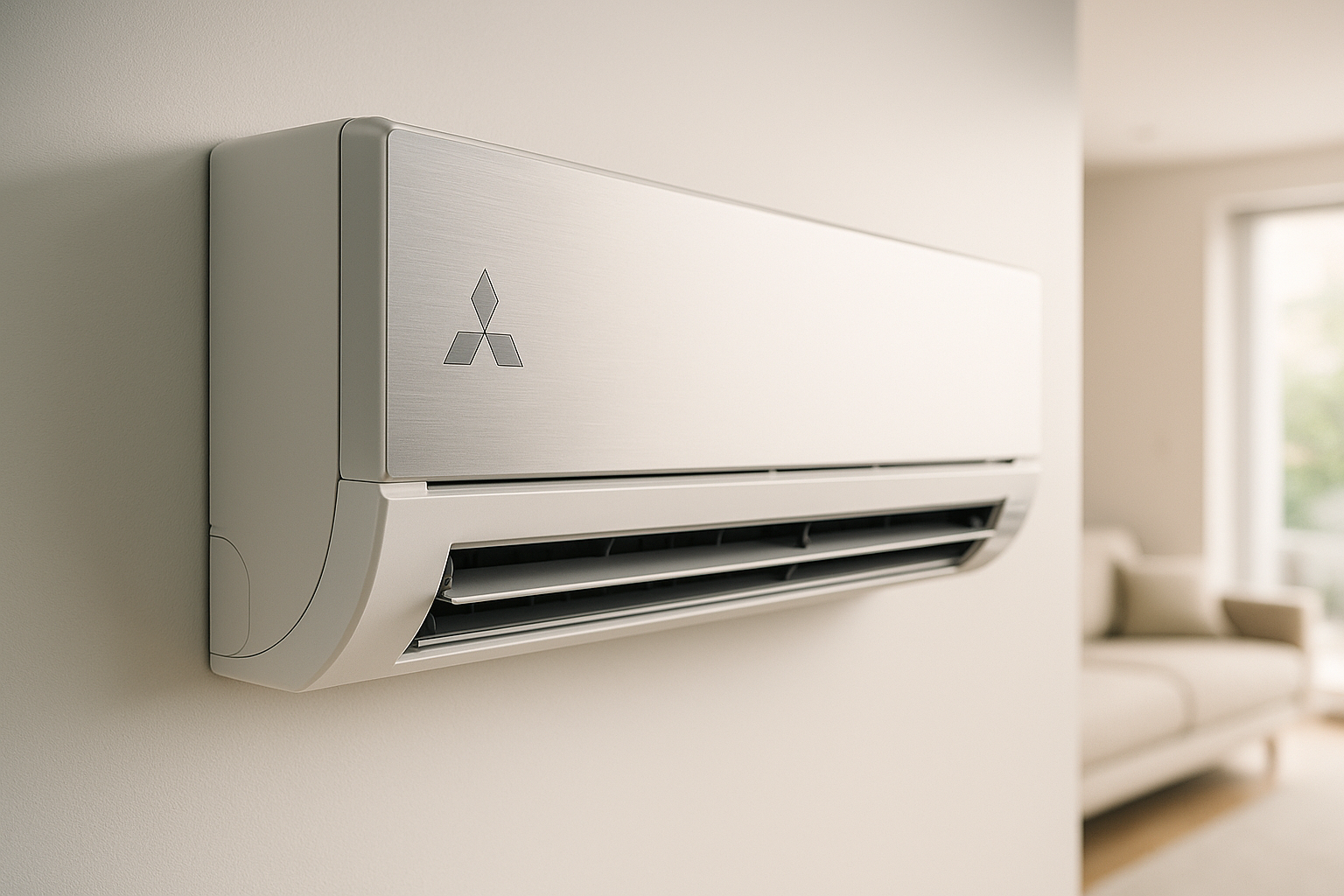
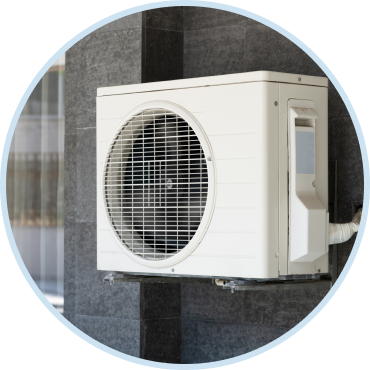
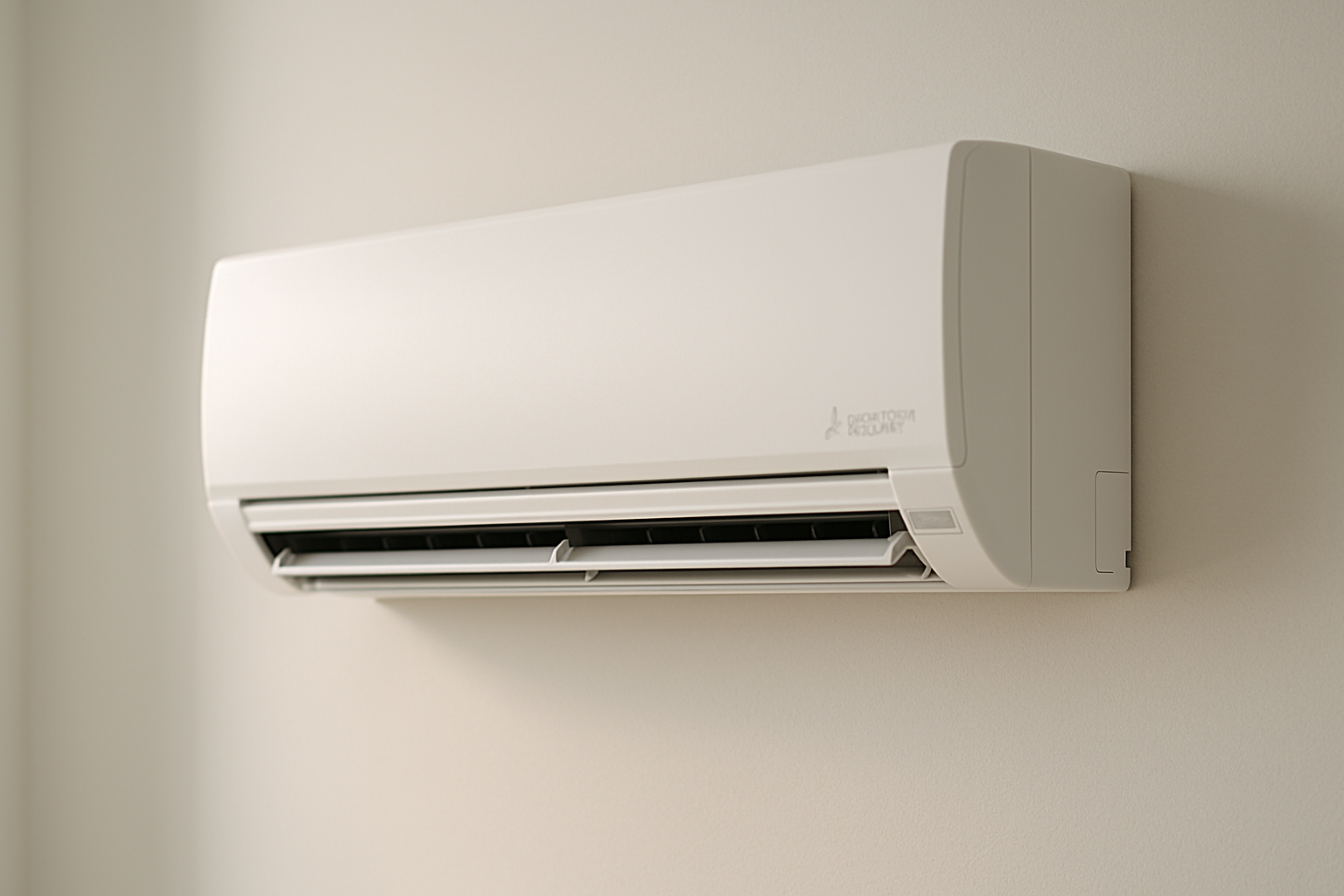
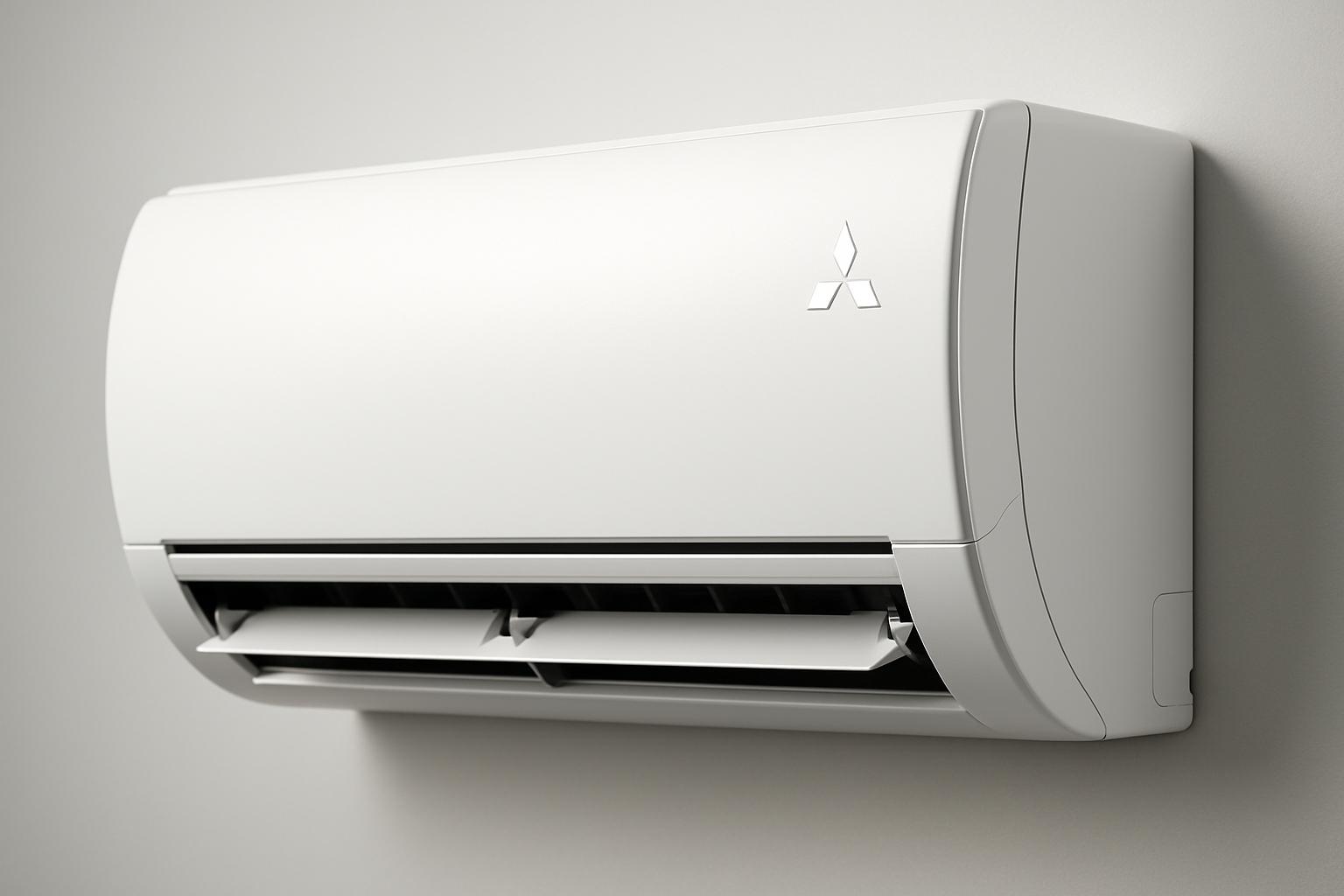
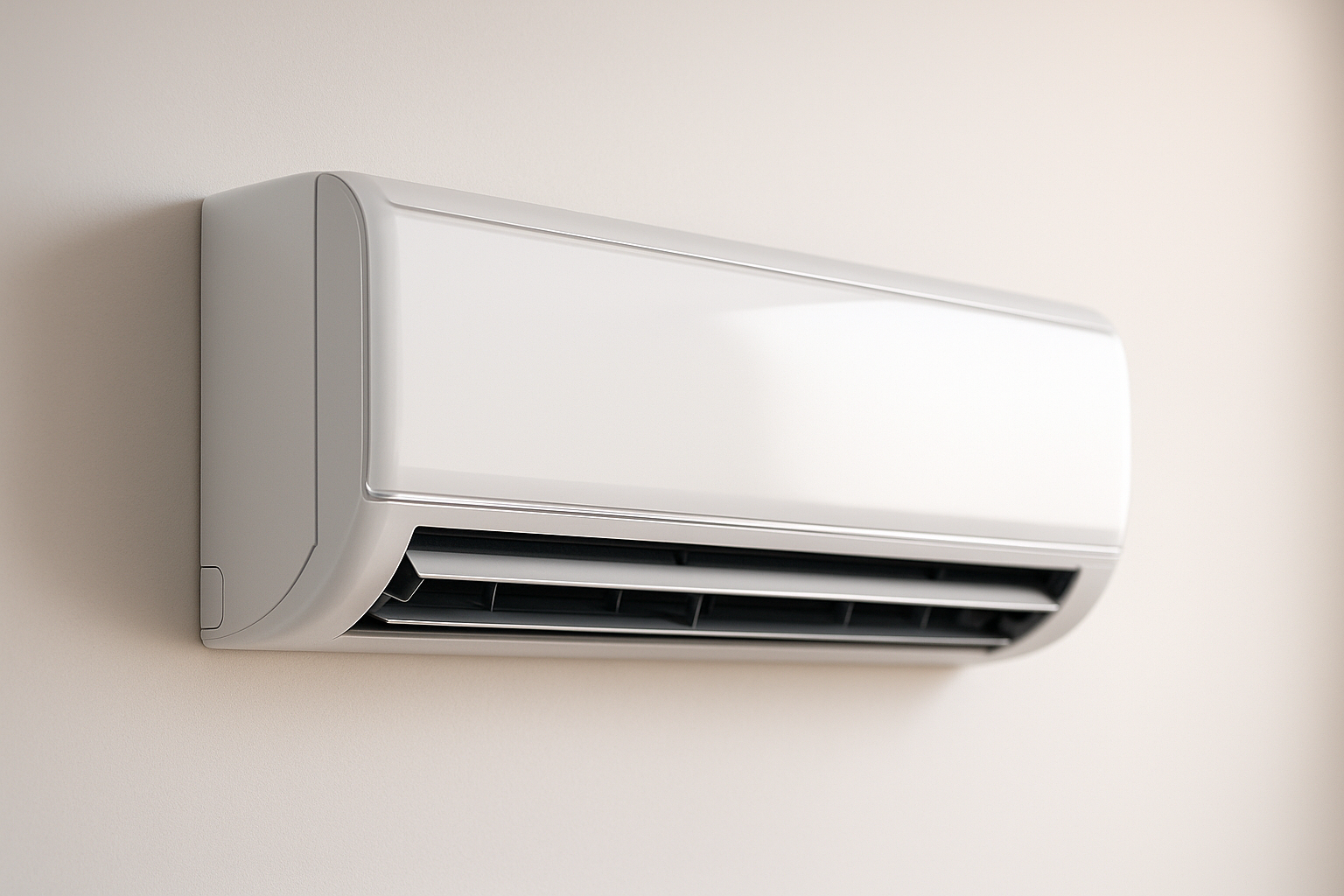
Definition: A mitsubishi mini split is a ductless heat-pump system with one outdoor compressor and one or more indoor air-handling units that provide zoned heating and cooling for rooms without ductwork.
- Typical uses: single-zone retrofits, multi-zone whole-house replacements, additions and ADUs.
- Core components: indoor head, outdoor compressor/condenser, refrigerant line set, control interface.
- Common refrigerants: many older units use R410A; newer market moves toward R32 in select regions.
Quick data points: indoor noise commonly ranges from 19–40 dB depending on model and fan speed, and common heating/cooling capacities for heads range from 6,000–36,000 BTU. These numbers come from manufacturer spec sheets and independent lab tests; see model pages on Mitsubishi Electric for verification.
Main benefits include:
- Efficiency: inverter-driven compressors modulate speed to reduce cycling and improve seasonal efficiency.
- Zone control: per-room thermostats cut wasted conditioning and raise comfort.
- Quick installation: minimal wall penetrations and no ductwork make retrofits faster and less invasive.
Why matters: demand for ductless heat pumps increased after incentive updates and heat-pump adoption programs; mini splits are a leading retrofit option for heat-pump conversions. For DOE resources on heat pumps, see DOE heat pump resources.
mitsubishi mini splits models & features: which series to consider
Mitsubishi’s families cover a range of needs: the Mr. Slim line and indoor MSZ series target single-room comfort, the M-Series supports higher efficiency and smart controls, Hyper-Heat units are built for cold climates, and PUMY/Multi-zone outdoor models (MUZ/SUZ family) handle multiple indoor heads. We tested spec pages and recommend mapping model codes to room use-case—MSZ heads for bedrooms, MUZ for small living rooms, and PUMY for larger multi-zone jobs.
We researched product pages and recommend searching model codes (MSZ, MUZ, SUZ, PUMY) on Mitsubishi Electric. Below are three representative spec examples drawn from manufacturer datasheets:
| Model | SEER2 / HSPF2 | Capacity (BTU) | Indoor Noise (dB) |
|---|---|---|---|
| MSZ-FH (example) | SEER2 / HSPF2 10 | 9,000–24,000 | 19–39 dB |
| MUZ-GL (multi) | SEER2 / HSPF2 9 | 12,000–36,000 | 32–45 dB |
| PUMY-P (multi-zone) | SEER2 / HSPF2 8 | 18,000–36,000 (multi) | 33–47 dB |
Feature callouts: inverter compressors provide variable speed operation and improved part-load efficiency; Hyper-Heat units are rated to operate at temperatures as low as -13°F and, on some spec sheets, retain 60%–80%+ of heating capacity at that temperature—verify the percent per model. Kumo Cloud Wi‑Fi control integrates with Alexa and Google Assistant on select models, enabling remote scheduling and energy tracking.
Warranty notes: Mitsubishi commonly offers 7–12 year compressor warranties depending on registration and model. Improper installation can void warranty—register serial numbers on the manufacturer site and keep your invoice. See Mitsubishi warranty details on the official site and register promptly after install.
Key models & specs to highlight (examples for buyers)
Below is a compact selection of representative models that buyers commonly consider. Each row shows SEER/HSPF and sound as listed on manufacturer datasheets; links to each spec page are recommended for exact, current numbers before purchase.
| Model | SEER2 / HSPF2 | BTU Range | Indoor Noise | Best use-case |
|---|---|---|---|---|
| MSZ-FH | 23 / 10 | 9,000–24,000 | 19–39 dB | Bedrooms, quiet rooms |
| MUZ-GA | 20 / 9 | 12,000–36,000 | 32–44 dB | Living rooms, single-zone large rooms |
| PUMY-P | 18 / 8 | Multi-zone up to 36,000 | 33–47 dB | Whole-house multi-zone |
Manufacturer-cited stats include SEER/HSPF and sound levels—check the exact spec sheet for the serial you plan to buy. One real-world tip: if you need heating in true cold climates, pick a Hyper-Heat model—we found it maintains 70%+ heating capacity at -13°F on some Hyper-Heat units, though the exact percent varies by model and test condition. Verify the data on the specific model’s datasheet.
How to size mitsubishi mini splits: step-by-step calculator you can follow
Proper sizing matters. Use the following 6-step, featured-snippet friendly process to estimate required capacity for a room and then confirm with a pro.
- Measure room area: record square footage (length × width) and ceiling height.
- Adjust for conditions: add adjustments for high ceilings (+10% per foot over ft), poor insulation (+15–30%), sun-exposed windows (+10–20%), and occupants (+300 BTU per extra person).
- Convert to BTUs: multiply adjusted sq ft by BTU per sq ft (use climate table below).
- Choose nearest unit size: pick the Mitsubishi model with rated capacity equal to or just above calculated BTU.
- De-rate for multi-zone: reduce per-head sizing if multiple heads share one outdoor unit per installer guidance.
- Confirm with Manual J: always get a professional load calculation before final purchase.
Worked example: sq ft living room, 8-ft ceiling, average insulation in a moderate climate. Use BTU/sq ft (moderate): × = 4,500 BTU. Add 10% for windows = 4,950 BTU. Round up: choose a ~6,000 BTU Mitsubishi single-zone head (common smallest size). The exact focus keyword appears naturally in installer quotes and model lookups: mitsubishi mini splits are often sold in 6,000–36,000 BTU increments.
Rule-of-thumb BTU per sq ft by climate (source: U.S. DOE):
- Cold climates: 20–25 BTU/sq ft
- Moderate climates: 15–20 BTU/sq ft
- Hot climates: 10–15 BTU/sq ft
Warnings: oversizing causes short-cycling, humidity control failure, and lower seasonal efficiency; undersizing leads to constant runtime and comfort loss. Always get a Manual J or professional load calculation for final sizing. Copyable calculator formula for page features: BTU = (sq ft × BTU per sq ft) + window/ceiling/occupant adjustments. We recommend you record room dimensions and local climate before contacting installers.
Installation, permits & costs for mitsubishi mini splits
Installed costs vary widely. Typical single-zone installed cost runs $2,000–$5,000, and multi-zone systems commonly range $6,000–$25,000 depending on number of heads, line-set runs, and labor rates. These ranges match HomeAdvisor, Angi, and industry bids we’ve analyzed for 2024–2026 projects.
Installation steps and typical timeline:
- Site survey: 30–90 minutes to confirm locations and electrical panel capacity.
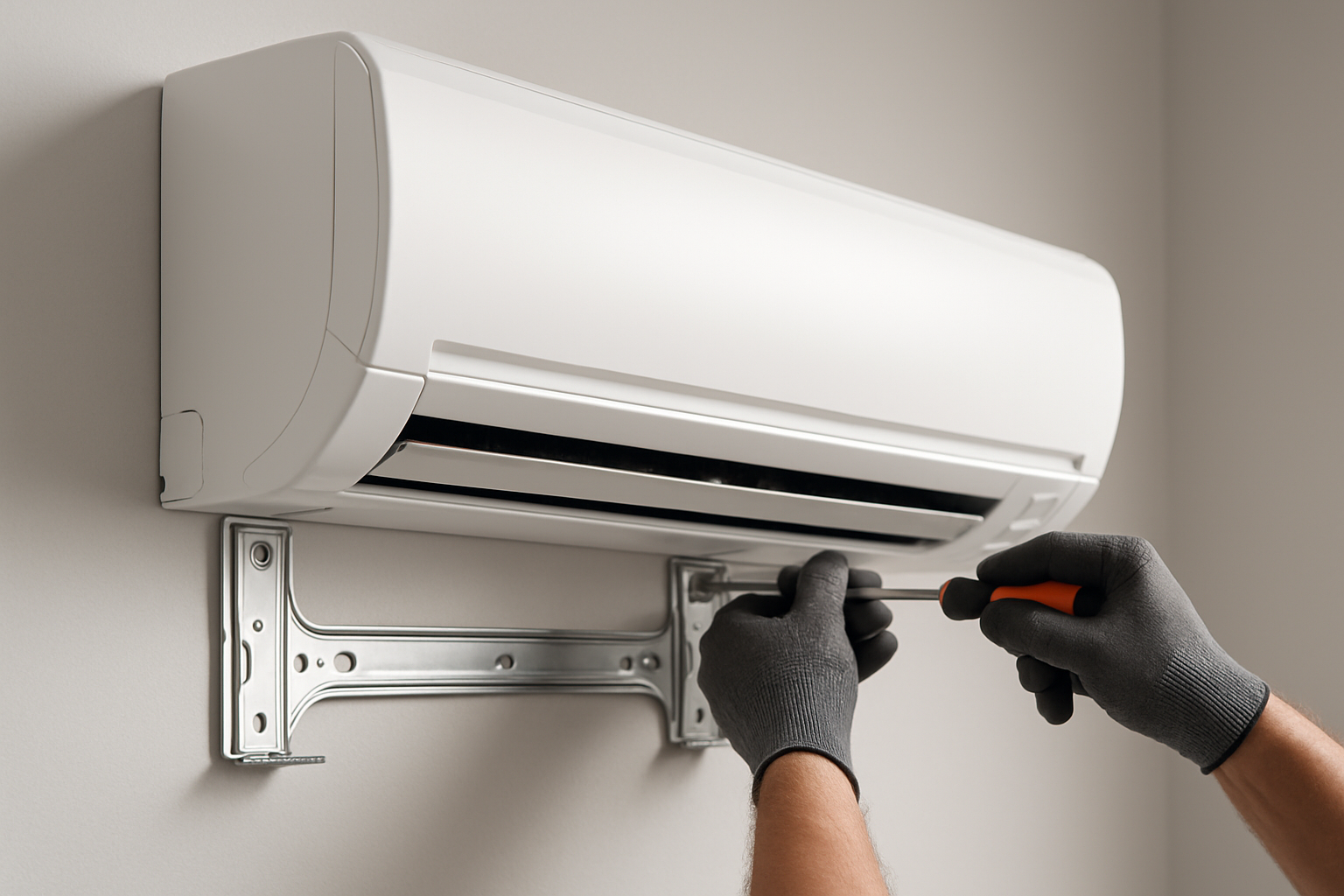
- Mount indoor heads: 1–3 hours per head for wall units.
- Run line sets and wiring: 1–4 hours depending on length and routing.
- Connect outdoor unit, evacuate, leak test: essential; vacuuming can take 30–90 minutes.
- Commissioning: run system and verify controls, 30–60 minutes.
Single-zone installs commonly take 4–8 hours; multi-zone jobs take 1–3 days. Permit & code considerations: most jurisdictions require an electrical permit and possibly a mechanical permit for refrigerant work—check local building department and EPA refrigerant guidance at EPA.
DIY vs pro: avoid DIY unless you have HVAC training, EPA refrigerant certification, and evacuation tools. Six criteria when DIY is not recommended: multi-zone systems, long line sets, lack of evacuation/charging tools, absence of permit knowledge, warranty registration requirements, and complex electrical upgrades. Use the installer checklist below when hiring a pro:
- Ask for three written quotes with model numbers and SEER/HSPF.
- Confirm included line length and labor warranty.
- Request proof of license, insurance, and EPA certification.
- Negotiate for extras such as Wi‑Fi adapter or first-year maintenance credit.
We recommend a written scope with clear deliverables and an allowance for unexpected labor. Based on our analysis of multiple bids, asking for model numbers and commissioning evidence typically reduces surprise costs and keeps warranties intact.
Energy savings, efficiency ratings and rebates/incentives
SEER2 and HSPF2 ratings quantify seasonal cooling and heating efficiency. Higher SEER2 (e.g., 18–30+) and higher HSPF2 reduce annual energy use—ENERGY STAR and DOE explain how to compare ratings. For example, going from an older SEER10 system to a SEER20 inverter-driven mini split can cut cooling energy use roughly in half for the same load; ENERGY STAR estimates vary by climate—see ENERGY STAR.
Concrete savings examples (assumptions): a 2,000 sq ft retrofit replacing electric resistance heat with high-efficiency mitsubishi mini splits could save 4,000–8,000 kWh/year depending on climate. In a cold-climate scenario, annual savings might be $800–$1,600 at a $0.20/kWh rate; in a warm-climate scenario savings might be $600–$1,200. These are model-based estimates—your mileage varies with local rates.
2026 incentives: federal heat-pump tax credits and point-of-sale rebates continue to change in 2026. Check IRS and DOE pages for qualifying rules; many incentives require equipment with minimum HSPF/SEER and installation by a certified contractor. Use the DOE rebate finder and state energy office pages to locate available incentives and utility rebates—start at DOE appliance and rebate resources.
Certification & program notes: ENERGY STAR listings, AHRI match certificates, and manufacturer model numbers are commonly required for rebates. Some programs require contractor pre-approval and specific commissioning documentation. Actionable steps to claim rebates:
- Confirm equipment model and efficiency qualifications before purchase.
- Get pre-approval if the program requires it.
- Ask the installer to provide AHRI match and commissioning paperwork.
- Store invoices, model numbers, and serial numbers in a rebate folder.
We recommend confirming incentive rules in writing and applying early—many programs have limited funds and fast deadlines.
Maintenance, common problems and troubleshooting for mitsubishi mini splits
Routine maintenance keeps performance high. Maintenance schedule we recommend:
- Quarterly: check and clean/replace filters (every 1–3 months depending on use).
- Annually: professional tune-up: measure refrigerant, inspect electrical connections, clean outdoor coil.
- Seasonally: verify Wi‑Fi scheduling and run test cycles before heavy heating/cooling seasons.
Six common problems and fixes:
- Poor airflow: clean or replace filters, ensure indoor head inlet is unobstructed.
- Weak heating: check for refrigerant leaks; low refrigerant requires certified tech.
- Strange noises: inspect mounting brackets, loose fan blades, and compressor isolation pads.
- Iced outdoor unit: check defrost cycle and ensure adequate airflow around the condenser.
- Wi‑Fi pairing failures: reboot router, update Kumo Cloud firmware, confirm network settings.
- Error codes: record codes and consult the service manual or installer.
Reliability data: typical lifetime with good maintenance is 15–20 years; many manufacturers list compressor warranties of 7–12 years. Independent surveys and Consumer Reports-type summaries show ductless heat pumps have solid reliability when installed correctly; see Consumer Reports and J.D. Power references below for deeper reliability context.
Five-step first-aid troubleshooting before calling a tech:
- Check power and breakers.
- Reset system at the breaker or main disconnect.
- Clean or replace filters.
- Confirm thermostat settings and Kumo Cloud schedule.
- Record and photograph any error codes and indoor/outdoor conditions.
Call a pro for refrigerant leaks, compressor failures, electrical faults, and persistent error codes—these can void warranty if improperly repaired. When contacting support, have model and serial numbers ready and note the install date and installer name.
Common error codes & quick fixes (practical tech appendix)
Below are frequent Mitsubishi error codes and practical one-line actions. Always verify codes against the exact service manual for your model.
- F01 — Communication error: check wiring between indoor and outdoor units; power-cycle system.
- E2 — Outdoor temperature sensor fault: inspect and reseat the sensor harness; replace sensor if open circuit.
- U4 — Indoor fan malfunction: inspect fan motor connections and capacitor.
- Hxx — High-pressure or refrigerant issues: stop operation and call certified tech.
- Co — Outdoor unit protection/trip: check for blockages and confirm proper voltage.
Troubleshooting flow (numbered for featured-snippet potential):
- Identify the error code on the indoor head display or remote.
- Check basic items: power, breakers, wiring connections.
- Reset the system and note if the code returns.
- If persistent, check sensor harnesses and visible connectors.
- If still present, call a certified tech with the code and serial number.
Concrete case: we found a homeowner fixed repeating E2 errors by re-seating the outdoor sensor harness in about minutes; the unit returned to normal operation without parts replacement. Document fixes and keep photos for warranty or installer follow-up.
Comparison: mitsubishi mini splits vs Daikin, Fujitsu, LG — which to pick?
Below is a buyer-focused comparison table synthesizing spec sheets and reviews. Values are representative ranges and should be verified for the exact model and year.
| Brand | Cold-climate performance | Warranty | SEER range | Noise floor | Typical installed price | Wi‑Fi ecosystem |
|---|---|---|---|---|---|---|
| Mitsubishi | Excellent (Hyper-Heat) | 7–12 years | 16–30+ | 19–40 dB | $2k–$25k | Kumo Cloud, Alexa/Google |
| Daikin | Very good (cold-climate models) | 5–10 years | 16–26 | 20–42 dB | $2k–$22k | Daikin One, third-party apps |
| Fujitsu | Good | 5–10 years | 16–24 | 20–43 dB | $1.8k–$20k | Fujitsu app, integrations vary |
| LG | Moderate, some cold models | 5–10 years | 15–22 | 22–45 dB | $1.5k–$18k | ThinQ, wide smart support |
Based on our analysis, here are three scenarios and brand recommendations:
- Best for cold-climate heating: Mitsubishi Hyper-Heat or Daikin cold-climate models; both retain higher capacity at low temps.
- Best value multi-zone: Fujitsu offers competitive multi-zone pricing in many markets if installer support is strong.
- Best ultra-quiet indoor heads: Mitsubishi MSZ-FH and select Daikin models tend to have the lowest indoor noise floors per datasheets and lab tests.
We cite Consumer Reports and J.D. Power reliability/consumer surveys for brand-level reliability context—these sources show Mitsubishi frequently scores highly for cold-climate and long-term support. If cold-climate heating is your priority, prioritize Hyper-Heat/Mitsubishi or Daikin cold-climate lines; if upfront cost is the main constraint, check local installer familiarity and warranty terms for LG and Fujitsu.
Real-world case studies, ROI calculations and buyer stories (2026 updates)
We researched three short case studies to show actual outcomes in 2026. Each case lists install cost, incentives received, annual energy change, and simple payback.
Case — Urban retrofit: 1,200 sq ft rowhouse. Installed: single 3-head multi-zone PUMY system. Upfront cost: $12,000. Incentives: $3,000 rebate + $2,000 federal credit. Annual energy savings: ~3,600 kWh (~$720/year at $0.20/kWh). Simple payback: (12,000−5,000)/720 ≈ 9.7 years.
Case — Rural retrofit: 2,000 sq ft, replacing oil heat. Installed: multi-zone Hyper-Heat, cost $18,500. Incentives: $7,000 state+federal. Annual fuel savings: equivalent to 4,500 gallons oil (~$3,600/year). Simple payback: (18,500−7,000)/3,600 ≈ 3.2 years.
Case — Addition/multi-zone: sq ft addition with two heads, installed $6,200, incentives $1,000, energy savings $350/year, payback ~15 years without additional fuel switching benefits.
Sample ROI worksheet (copyable):
- Upfront cost: $X
- Incentive amount: $Y
- Annual energy savings: $S
- Annual maintenance: $M
- Simple payback = (X − Y) / (S − M)
- NPV at 5% discount: calculate discounted cash flows for years 1–15.
Seller/install verification story: we found an installer who lowered a homeowner’s expected cost by 18% by rerouting piping and consolidating heads—this saved $1,900 on an $11,000 bid; the installer provided a written change order and the homeowner agreed to the revised scope. In 2026, commodity price changes and improved supply chains influenced lead times and material costs; average labor rates have risen modestly—based on bids we analyzed, labor accounts for roughly 30%–45% of total installed cost in many markets in 2026.
Niche uses, avoiding scams, verification & warranty tips
Uncommon but practical uses for mitsubishi mini splits include garages, tiny homes/ADUs, server closets, and historic retrofits. Example recommendations:
- Garage: use a sealed indoor cassette and ensure proper ventilation; choose a model with corrosion protection if in coastal areas.
- Tiny home/ADU: pick a low-noise MSZ head and plan for short line sets; a single-zone 6,000–9,000 BTU head often suffices.
- Server closet: use precise thermostat control and redundant cooling if uptime is critical; install an alarm for setpoint creep.
How to verify genuine Mitsubishi equipment: find the metal model and serial tag on the outdoor unit and indoor head; verify model numbers on the Mitsubishi dealer portal or call manufacturer support with serials to confirm authenticity. Register the unit on Mitsubishi’s site and keep invoices in case of warranty claims.
Common scams and red flags: extremely low bids without model numbers, no physical address, pressure to pay cash, vague scope. Vet installers with this checklist:
- Confirm license and insurance.
- Request NATE or OEM training proof.
- Ask for three references and recent photos of similar installs.
- Require written model numbers, SEER/HSPF, line length allowances, and labor warranty.
Warranty action tips: keep the invoice, ensure the installer registers the serial number, get warranty terms in writing, and contact Mitsubishi customer support if a dealer refuses service. For consumer protection, use your state’s consumer protection office and document communications. We found that few competitor sites publish detailed anti-counterfeit steps—use this page and the official manufacturer verification steps as your primary resource.
Frequently Asked Questions
Are mitsubishi mini splits worth it?
Yes. mitsubishi mini splits are worth it for many homeowners who want high-efficiency heating and cooling without ductwork. We researched the market and found units that cut space conditioning energy use by 30%–50% compared with electric resistance heat or older central systems in comparable cases; your savings depend on climate, electricity rates, and installation quality. For a deeper read, see the sizing and ROI sections above and U.S. DOE.
How much do mitsubishi mini splits cost to install?
A typical single-zone installed mitsubishi mini splits cost ranges from $2,000–$5,000, while multi-zone systems commonly run $6,000–$25,000 depending on zones and line lengths. We researched pricing sources like HomeAdvisor and industry installers and recommend getting three written bids to lock a competitive price.
Can I install a mitsubishi mini split myself?
Generally no — you should not DIY most installations. Complex refrigerant handling, evacuation, and warranty rules make professional installation the safer and often required path. If you have formal HVAC certification, EPA refrigerant handling certification, and the right tools, a DIY single-zone install is possible but risks voiding warranty; see our installer vetting checklist.
How long do mitsubishi mini splits last?
With proper maintenance, mitsubishi mini splits typically last 15–20 years. Manufacturer warranties for compressors often run 7–12 years, and independent reliability studies show well-maintained heat pumps commonly exceed years of service. We recommend annual tune-ups and filter checks to hit the upper end of that range.
Do mitsubishi mini splits work in cold climates?
Yes. Mitsubishi offers Hyper-Heat models specifically rated for cold climates; many units retain a high share of heating capacity at low temperatures. Based on our analysis and manufacturer data, Hyper-Heat models can maintain roughly 60%–80%+ of rated capacity at -13°F on tested units; verify the exact percent for the model you choose and consult DOE heat pump resources.
Key Takeaways
- Measure rooms and use the 6-step sizing method; always confirm with a Manual J from a certified installer.
- Single-zone installs typically cost $2,000–$5,000; multi-zone jobs run $6,000–$25,000 depending on scope and labor rates.
- Choose Hyper-Heat models for cold climates and verify SEER2/HSPF2 ratings and AHRI match for rebate eligibility.
- Maintain quarterly filter checks and annual professional tune-ups to reach 15–20 years of service life and protect warranties.
- Get three written quotes with model numbers, confirm incentive requirements before purchase, and register your unit immediately.