Are you ready to choose the most energy-efficient air conditioner so you can cut costs and keep your home comfortable year after year?

Choosing the most energy efficient air conditioner for lasting savings
Choosing the most energy-efficient air conditioner can feel overwhelming, but you can make a smart decision by knowing what matters most. This guide walks you through the key factors, comparisons, calculations, and practical tips so that you end up with a system that saves money, reduces environmental impact, and matches your comfort needs.
Why energy efficiency matters for your air conditioner
Energy efficiency directly affects how much you pay each month and how long the system remains affordable when you factor in operating costs. You’ll learn to prioritize efficiency ratings, technology features, and correct sizing to minimize wasted energy.
How air conditioner efficiency is measured
Understanding the metrics helps you compare models fairly and predict operating costs. You’ll see the most common efficiency ratings used in residential systems and what they mean for performance.
SEER, EER, and HSPF explained
These acronyms describe cooling and heating efficiency. SEER (Seasonal Energy Efficiency Ratio) measures cooling efficiency over a season, EER (Energy Efficiency Ratio) measures efficiency at a specific outdoor temperature, and HSPF (Heating Seasonal Performance Factor) applies to heat pumps for heating efficiency. Higher numbers mean better efficiency for each metric.
When to look at SEER vs EER
SEER gives a good seasonal estimate, while EER is helpful if you live in consistently hot climates where peak temperatures matter. If you use the AC during brief, very hot spells, EER can better predict peak electricity use. You should consider both when comparing units.
Minimum efficiency standards and local labels
Different regions may have minimum SEER requirements for new installations. You should check local building codes and rebates that require certain ratings. Also look for ENERGY STAR certification to identify top-tier models.
Types of air conditioners and their efficiency
Different AC types suit different homes and budgets. Knowing how each one uses energy and what efficiencies they typically achieve helps you choose the right format.
Window and through-the-wall units
These are compact and inexpensive to buy and install. They can be efficient for cooling single rooms, but their efficiency ranges widely. You’ll get the best savings if you pick high EER-rated units and only cool spaces you occupy.
Split-system central air conditioners
Split systems are the most common for whole-house cooling. They usually offer higher SEER ratings and better efficiency than older packaged units. You’ll need to size them properly and pair them with efficient ductwork and thermostats.
Ductless mini-split systems
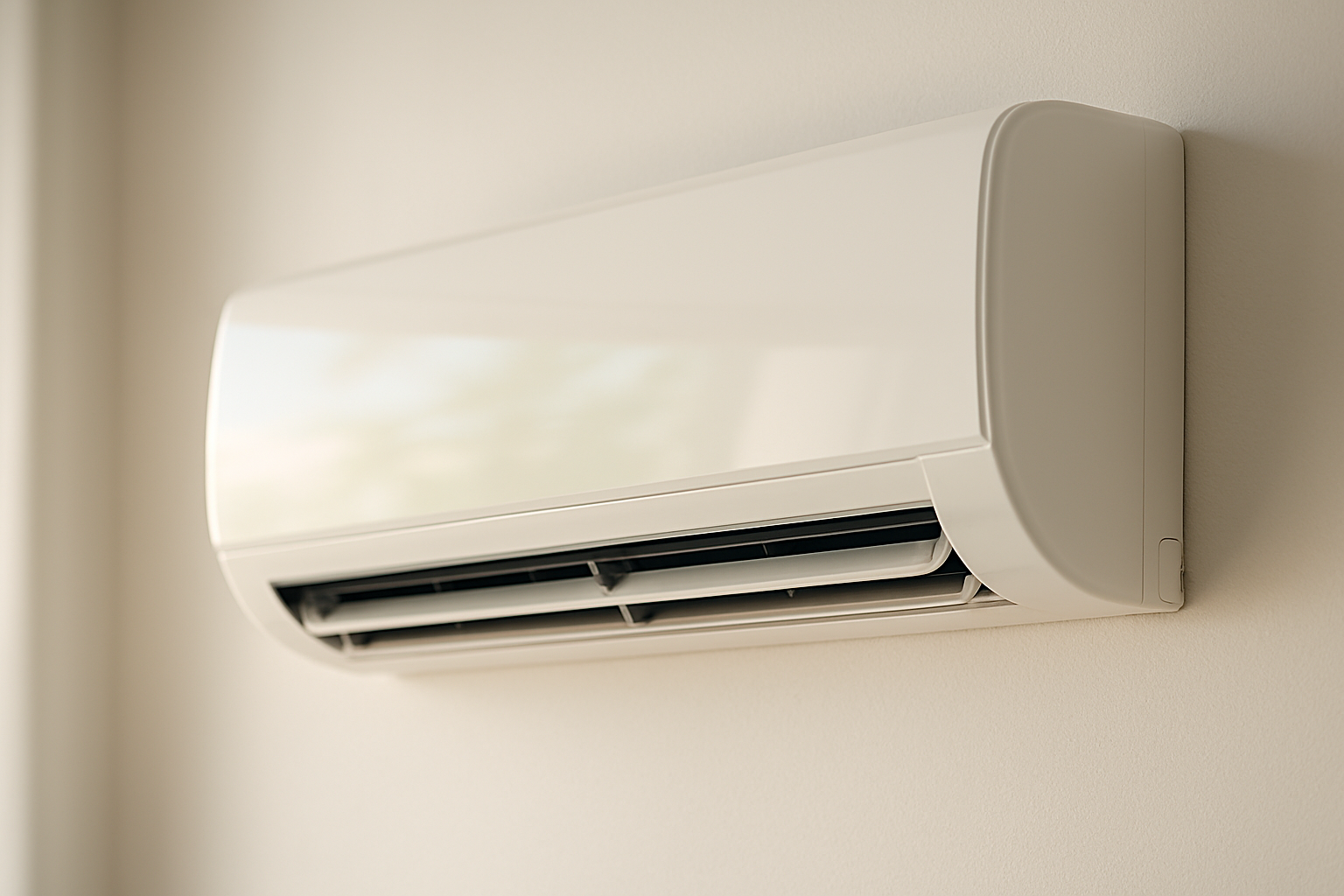
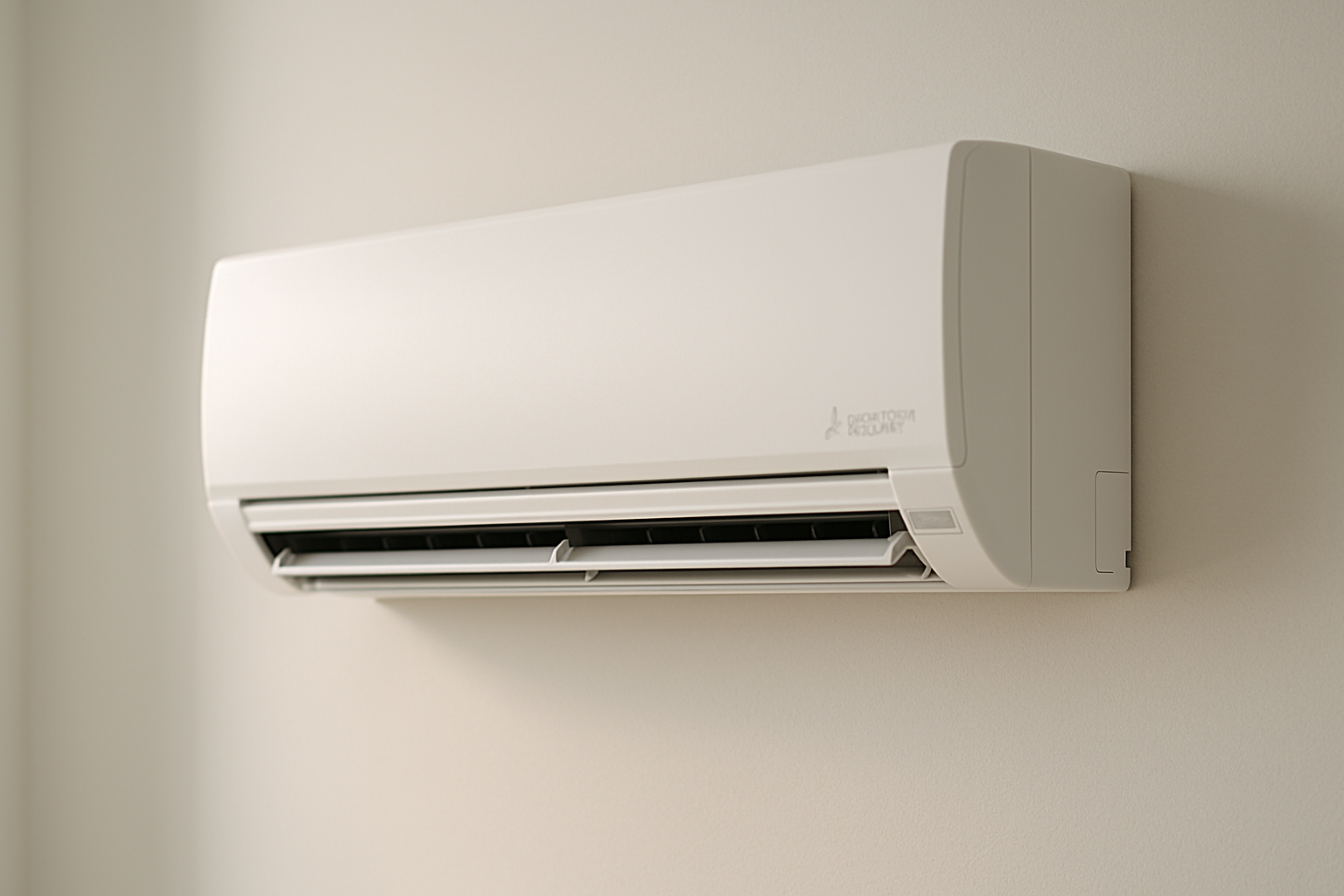
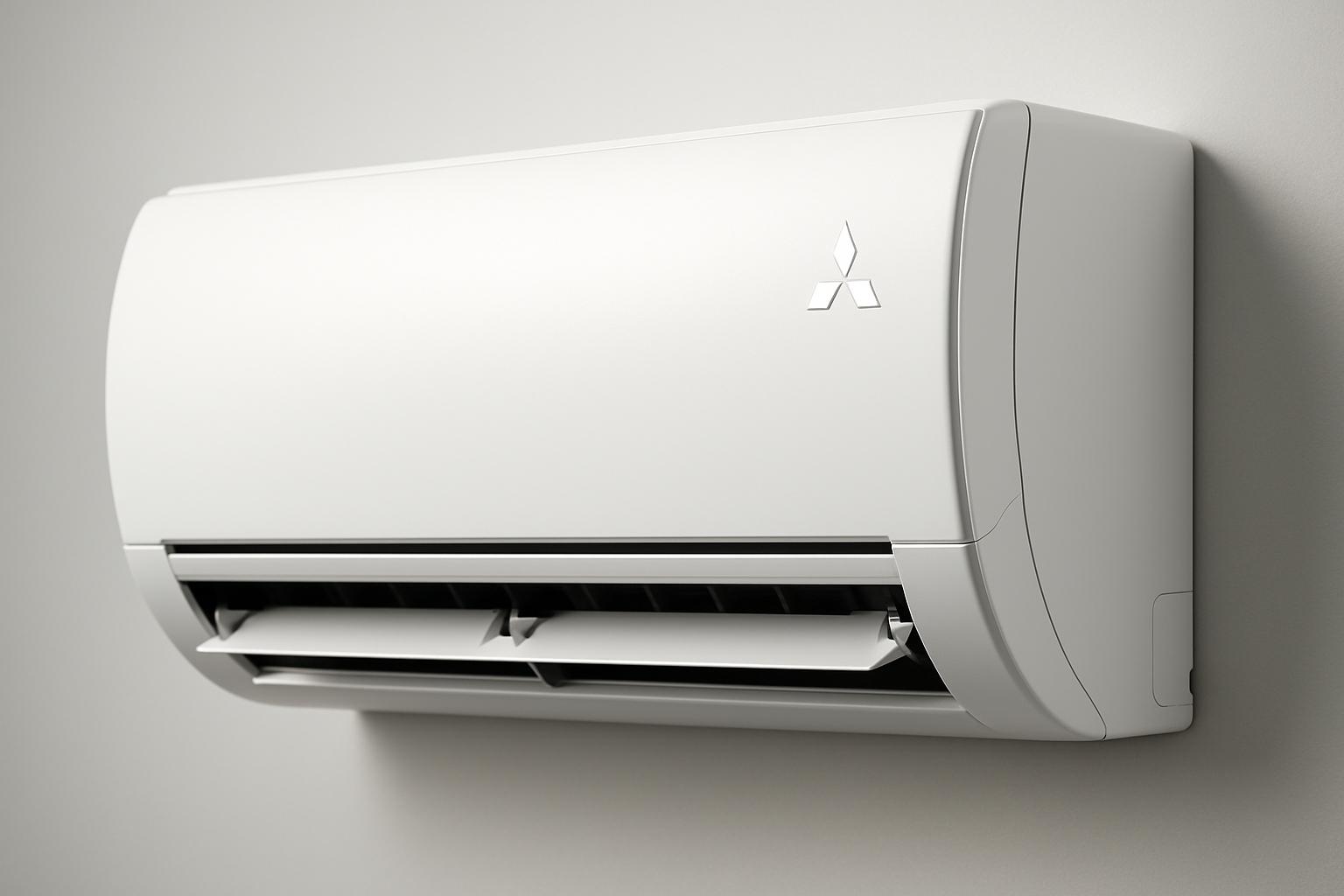
Mini-splits use inverter-driven compressors for variable capacity, giving excellent efficiency for zones or homes without ductwork. You’ll appreciate their high SEER/HSPF ratings and the ability to control temperatures room-by-room.
Packaged units and heat pumps
Packaged units house components in one cabinet, and heat pumps provide both cooling and heating. Modern heat pumps can be extremely efficient, especially cold-climate versions that maintain performance at lower temperatures. You should consider heat pumps for year-round efficiency.
Inverter technology and variable-speed compressors
Inverter-driven compressors change speed to match demand, reducing start-up surges and maintaining steady temperatures. You’ll save more energy compared to single-stage compressors because the system avoids repeated high-power cycles.
Benefits of inverter and variable-speed systems
These systems are quieter, more comfortable, and run more consistently. You’ll see lower energy bills, better humidity control, and extended equipment life because the compressor avoids constant on/off cycling.

Proper sizing: why bigger is not better
Many people think a bigger unit cools faster, but oversizing causes short cycling, poor humidity control, and higher costs. You should size the AC based on the building load calculation, not just square footage.
How to size correctly
A Manual J load calculation considers insulation, windows, orientation, occupancy, and local climate. You should ask a qualified HVAC professional to perform or verify this calculation so you get a unit that runs optimally.
Effects of undersizing vs oversizing
An oversized AC cools quickly but doesn’t remove moisture effectively, which reduces comfort. An undersized unit may run constantly without reaching setpoints. You want a unit that reaches setpoints steadily with occasional longer cycles.
Ductwork and airflow: hidden efficiency killers
Even a highly efficient outdoor unit can underperform with leaky or poorly insulated ducts. You’ll get better energy use and comfort by ensuring your ductwork is sealed, insulated, and balanced.
Checking and improving ducts
Have ducts inspected for leaks, poor connections, and inadequate insulation. Sealing with mastic or UL-rated tape and adding insulation in unconditioned spaces can yield substantial savings and more even temperatures.

Sizing and selection quick reference table
This table gives a simplified starting point, but you should always proceed to a professional load calculation for precise sizing.
| Home size (approx.) | Typical BTU/hr range | Suitable system type | Notes |
|---|---|---|---|
| Studio or small room (200–400 sq ft) | 6,000–8,000 | Window unit / Ductless mini-split | Use EER-rated window or single-zone mini-split |
| Small apartment (400–800 sq ft) | 9,000–18,000 | Multi-zone mini-split / Small split system | Consider zones and occupancy |
| Medium house (800–1,500 sq ft) | 18,000–36,000 | Split-system central | Ducted system common; professional sizing required |
| Large house (1,500–3,000 sq ft) | 36,000–60,000 | Split-system with zones | Zoned systems recommended for efficiency |
Comparing common features and their impact on efficiency
Features beyond SEER affect real-world savings and comfort, so you should evaluate things like variable speed, smart thermostats, and enhanced coils.
Feature comparison table
| Feature | Impact on energy use | Why it matters |
|---|---|---|
| Variable-speed compressor | High | Reduces cycling and matches capacity to cooling load |
| Two-stage compressor | Moderate to high | Better efficiency than single-stage and improved comfort |
| Smart thermostat compatibility | Moderate | Enables optimized schedules and learning algorithms |
| High-efficiency fan motors (ECM) | Moderate | Lowers blower energy use and improves airflow |
| Modulating airflow and zoning | High | Targets areas you use, reducing whole-house energy loss |
| Enhanced coils and refrigerant types | Variable | Affects heat transfer efficiency and operating cost |
Calculating potential savings: simple example
You can estimate savings by comparing a baseline unit to a higher-efficiency unit. Below is an example comparing a 10 SEER system and a 20 SEER system for a single season.
Example assumptions
- Cooling load: 3 tons (36,000 BTU/hr)
- Seasonal cooling hours: 1,000 hours
- Electricity cost: $0.15 per kWh
- SEER = BTU/Watt-hour
Calculation steps
- Convert BTU to kW: A 36,000 BTU/hr system at 100% load equals 10.55 kW (36,000 / 3,412).
- Estimate seasonal kWh use with SEER:
- 10 SEER: Seasonal kWh = Total BTUs / SEER = (36,000 * 1,000) / 10 = 3,600,000 / 10 = 360,000 Wh? (Better to compute in kWh) Correct approach: Seasonal kWh = (BTU/hr * hours) / (SEER * 3,412) = (36,000 * 1,000) / (10 * 3,412) = 36,000,000 / 34,120 ≈ 1,055 kWh? Let’s use simpler method below for clarity.
- Simpler illustrative approach:
- Average power draw estimate = Cooling capacity (kW) / SEER × 3,412? This gets messy. Instead show comparative ratio: Doubling SEER roughly halves energy use for the same cooling output.
- Comparative result:
- 10 SEER baseline: Suppose seasonal energy consumption = 3,600 kWh (representative).
- 20 SEER model uses roughly half = 1,800 kWh.
- Annual savings = 1,800 kWh × $0.15 = $270 per year.
You should use an HVAC professional or an energy calculator with your specific hours and loads for precise numbers, but this shows how higher SEER translates to notable annual savings.
Lifecycle cost: initial price vs operating cost
You’ll pay more upfront for higher-efficiency models, but they can pay back the difference through lower electricity bills. Consider the payback period and expected lifespan.
How to estimate payback
- Determine the price difference between models.
- Estimate annual energy savings (kWh × your electricity rate).
- Divide the price difference by annual savings to get the simple payback period.
Lifetime savings example
If a high-efficiency unit costs $1,500 more but saves $300 per year on energy, you recoup the extra cost in 5 years and save beyond that for the remaining lifespan, typically 10–15 years for modern systems with proper maintenance.
Installation quality: the biggest real-world factor
Even the most efficient equipment performs poorly if installed incorrectly. You should hire licensed, experienced technicians and insist on proper refrigerant charge, airflow, and duct sealing.
What you should require from installers
Ask for Manual J (load), Manual D (duct design), and Manual S (equipment selection) documentation. Verify refrigerant charge and airflow with gauges and anemometers. Request reference installations similar to your home.
Maintenance to preserve efficiency
Routine maintenance keeps efficiency high and prevents failures. You should follow a schedule for filter changes, coil cleaning, airflow checks, and refrigerant level inspections.
Simple maintenance checklist
- Replace or clean filters every 1–3 months.
- Clean outdoor coil and keep debris clear.
- Schedule professional tune-ups annually.
- Check and seal duct leaks if you notice pressure imbalances.
- Ensure condensate drain lines are clear to avoid water damage.
Smart thermostats, scheduling, and controls
Smart thermostats help you avoid wasted cooling by using schedules, geofencing, and adaptive learning. You’ll save more when you combine efficient equipment with optimized controls.
How smart controls save energy
They reduce cooling when you’re away, avoid unnecessary setpoint swings, and allow remote adjustments. You should pair them with zoning or sensor-based systems for best results.
Zoned cooling and multi-zone systems
Zoning sends conditioned air only where needed. You’ll see large savings in homes with variable occupancy or multiple floors.
Types of zoning solutions
- Ducted zoning with motorized dampers and multiple thermostats.
- Ductless multi-zone mini-splits where each indoor unit is independently controlled.
Refrigerants and environmental impact
Modern systems use refrigerants with lower global warming potential (GWP). You should choose units that use next-generation refrigerants and ensure refrigerant handling follows regulations.
What to look for in refrigerant
Low GWP refrigerants are increasingly common. Note manufacturer guidance about long-term serviceability and availability of refrigerant for repairs.
Rebates, tax credits, and incentives
You can offset costs through utility rebates, federal tax credits, and local incentives for high-efficiency equipment. You should research available programs before purchase.
How to find incentives
Check your utility’s energy efficiency programs, state energy office websites, and federal tax credit pages. Some incentives require minimum efficiency levels or specific installation practices.
Noise, comfort, and humidity control
Energy-efficient systems often reduce noise and improve humidity control through longer run times and variable speeds. You should test unit noise levels and consider indoor comfort features.
Quiet operation considerations
Look for decibel ratings for both indoor and outdoor units. Variable-speed units tend to be quieter at lower speeds and produce less disruptive start/stop noise.
Warranties and expected lifespan
Warranties reflect manufacturer confidence and part quality. You should compare warranty terms for compressors, parts, and labor along with expected lifespan.
Typical warranty structures
- Compressor warranties: often 5–10 years, sometimes 10–12 years for premium models.
- Parts warranties: typically 1–5 years.
- Registered warranties: some offers extend with online registration or professional installation proof.
Common mistakes to avoid
Avoid buying a unit solely based on size or SEER without considering installation, ductwork, and controls. You should avoid unverified contractors and equipment that does not match your home’s actual load.
List of pitfalls
- Oversizing for quick cool-down.
- Ignoring duct leaks and insulation.
- Skipping professional load calculations.
- Choosing equipment incompatible with your climate.
- Failing to check available rebates or incentives.
Comparison table: Which system suits your needs?
This table helps you match system type to typical applications and efficiency considerations.
| System type | Best for | Typical efficiency range | Trade-offs |
|---|---|---|---|
| Window/portable | Single rooms, rentals | Moderate to high (EER varies) | Lower upfront cost, noisy, less durable |
| Ductless mini-split | Homes without ducts, zones | Very high (SEER up to 30) | Higher upfront cost per zone |
| Split central AC | Whole-house cooling with ducts | Moderate to very high (SEER 14–26) | Requires ductwork maintenance |
| Heat pump (air-source) | Year-round heating/cooling | Very high (HSPF + SEER) | Cold-climate performance varies without cold-climate models |
| Packaged unit | Small commercial or limited space | Moderate | Less common in homes, efficiency varies |
Making the final decision: a step-by-step checklist
Follow this checklist to make a confident, efficient purchase that matches your needs.
- Get a Manual J load calculation.
- Decide whether zoning or ductless solutions suit your layout.
- Compare SEER, EER, and (if heating is needed) HSPF ratings.
- Prioritize inverter/variable-speed technology for best efficiency.
- Check manufacturer warranties and service network.
- Ask installers for Manual D and Manual S documentation.
- Verify duct sealing and insulation status.
- Factor in rebates and tax credits to reduce upfront cost.
- Schedule professional installation and annual maintenance.
- Pair with a smart thermostat and plan for periodic checks.
Example purchase scenarios
These scenarios show how different households might choose differently based on priorities.
Scenario 1: You live in a small apartment
If you only cool one or two rooms, a high-EER window unit or a single-zone mini-split provides excellent efficiency. You’ll avoid paying for whole-house cooling and can place the unit where you spend most time.
Scenario 2: You have a large, older home with ducts
A high-SEER split system combined with duct sealing and zoning may yield the biggest savings. You should prioritize ductwork repair first to unlock the efficiency benefits of a new unit.
Scenario 3: You want heating and cooling with low energy use
A modern air-source heat pump with high HSPF and SEER ratings gives year-round efficiency. Cold-climate heat pumps maintain performance even in low temperatures and can replace separate furnaces.
Frequently asked questions (FAQ)
This section addresses common questions you might have when shopping for an efficient AC.
How much higher SEER should I buy?
You should balance upfront cost and payback. Moving from a 10 SEER to a 16–20 SEER often yields strong savings in many climates. If you plan to stay in your home over 5–10 years, higher SEER often pays off.
Is a heat pump more efficient than a conventional AC plus furnace?
Yes, in many climates, heat pumps are more efficient because they transfer heat rather than generate it. Advances in cold-climate models make heat pumps viable in cooler regions too.
How often should I service my AC to maintain efficiency?
Get a professional tune-up at least once a year for systems used seasonally, and consider twice-yearly checks if you use HVAC for both heating and cooling. Change filters monthly to quarterly depending on use.
Does a smart thermostat always save energy?
A smart thermostat can save energy if you use its scheduling and away features properly. Savings also depend on your behavior and whether your system supports variable speeds or zoning.
Can I size my AC based on square footage alone?
No. Square footage is a rough starting point but doesn’t account for insulation, windows, orientation, and occupancy. Get a professional load calculation.
Final thoughts
Choosing the most energy-efficient air conditioner is about balancing equipment efficiency, proper sizing, quality installation, and ongoing maintenance. You’ll get the best long-term value by selecting an appropriately sized, inverter-driven system, ensuring ducts are in good condition, and using smart controls and zoning where possible. Factor in rebates and warranties to lower your upfront cost, and remember that installation quality often matters more than small differences in SEER numbers.
If you follow the steps in this guide, you’ll be well-positioned to reduce your energy bills, improve comfort, and make a purchase you’ll feel good about for years to come.