Which window air conditioner will keep your room comfortably cool while using the least amount of energy?
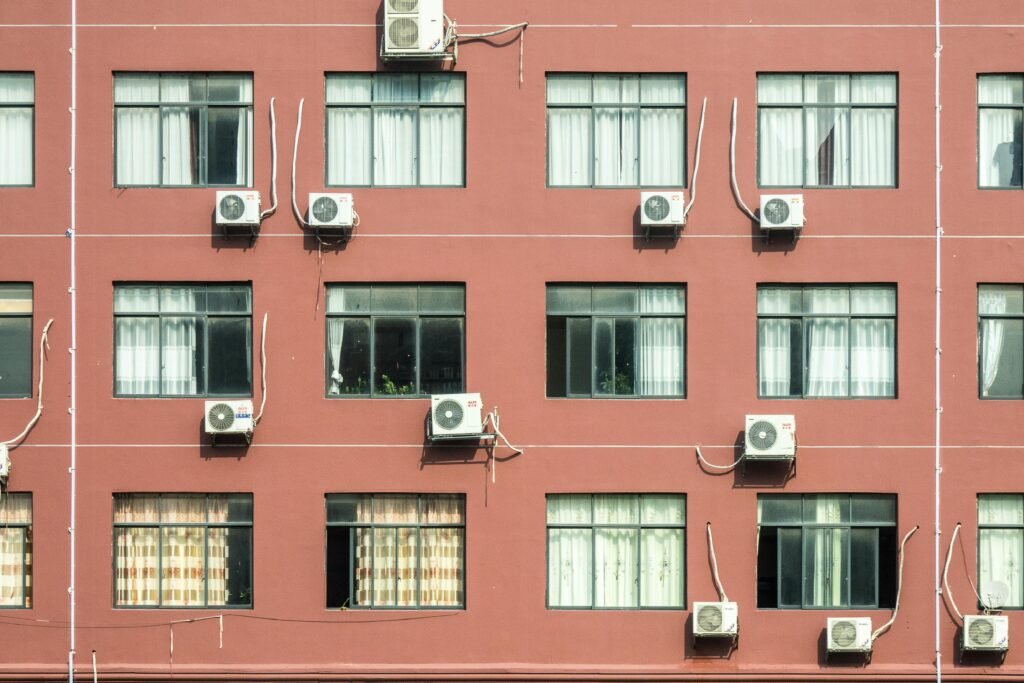
Choosing the Best Window Air Conditioner for Efficient Cooling
You want an air conditioner that balances cooling power, energy efficiency, noise, and convenience. This guide helps you match features to your needs so you can make a confident purchase and keep operating costs under control.
Why a Window AC Might Be Right for You
A window air conditioner can be an efficient, cost-effective way to cool a single room or a small apartment without the expense of central HVAC. You’ll typically get faster installation, lower upfront cost, and less energy waste compared with cooling an entire home with central air.
Understanding Cooling Capacity (BTU)
Cooling capacity is measured in BTUs (British Thermal Units) per hour and determines how much heat the unit can remove from a room. Choosing the right BTU rating ensures you get efficient cooling without overworking the unit or wasting energy.
Calculating the Right BTU for Your Room
Measure the square footage of the room (length × width) and use the table below as a baseline to pick the right BTU. Remember to adjust upward if the room has high ceilings, lots of windows, heavy sun exposure, or frequent occupants.
| Room size (sq ft) | Recommended BTU range |
|---|---|
| Up to 150 | 5,000 – 6,000 BTU |
| 150 – 250 | 6,000 – 8,000 BTU |
| 250 – 350 | 8,000 – 10,000 BTU |
| 350 – 450 | 10,000 – 12,000 BTU |
| 450 – 550 | 12,000 – 14,000 BTU |
Use this as a starting point and refine based on room conditions and usage patterns.
Factors That Affect BTU Needs
Several variables can change the required BTU: sun exposure, ceiling height, number of occupants, and appliance heat. If your room faces strong afternoon sun or hosts many people frequently, add 10–20% to the BTU estimate.
Energy Efficiency and Ratings
Efficiency determines how much electricity the unit uses to produce a given amount of cooling. You’ll save more on operating costs if you choose a model with higher efficiency ratings.
Energy Star Window Air Conditioner: What It Means for You
An energy star window air conditioner meets manufacturer and government criteria for efficiency and performance, which usually translates to lower monthly energy bills. When you choose an Energy Star-certified model, you’re opting for better efficiency and often improved long-term value.
Understanding EER, SEER, and CEER
EER (Energy Efficiency Ratio) measures cooling output divided by power input at a fixed temperature and is helpful for comparing window AC efficiency. SEER applies to central HVAC and is less relevant for window units, while CEER (Combined Energy Efficiency Ratio) is a newer metric used for room AC efficiency under updated testing procedures. Look for higher EER or CEER numbers to lower operating costs.
Key Features to Consider
Beyond capacity and efficiency, features influence comfort, convenience, maintenance, and long-term costs. Prioritize the features that match how you’ll use your air conditioner day-to-day.
Cooling Modes and Fan Speeds
Multiple modes like cool, fan-only, and dehumidify give you finer control over comfort and energy use. Variable fan speeds let you tailor airflow and noise level to match the moment—lower speeds can save energy and reduce sound.
Programmable Thermostat and Timers
A programmable thermostat or built-in timer can reduce runtime by turning the unit on only when you need it. Scheduling cooling to match occupancy patterns helps you save energy without sacrificing comfort.
Smart Connectivity and Controls
Wi-Fi and smart-home integration let you control the unit from your phone or voice assistant, monitor energy use, and set automated schedules. Smart features can add convenience and potential energy savings if you use them to avoid unnecessary runtime.
Noise Level (dB)
Noise matters if the unit will be in a bedroom, home office, or any room where quiet is important. Sound levels are measured in decibels (dB); lower numbers are quieter. Aim for models below 50 dB for bedrooms and quieter living spaces.
| dB level | Typical comparison |
|---|---|
| 30 dB | Whisper in a quiet library |
| 40 dB | Quiet conversation at home |
| 50 dB | Moderate background noise; noticeable in quiet rooms |
| 60+ dB | Loud; may disturb sleep or concentration |
Filter Types and Air Quality
Most window units include reusable mesh filters that trap dust and debris; some models add activated carbon or HEPA-like layers for better particle removal and odor control. Choose a filter that matches your indoor air quality needs, and plan for regular cleaning or replacement.
Installation and Window Compatibility
Window ACs come in different widths and configurations (single-hung, double-hung, sliding, casement). Check your window type, dimensions, and the weight capacity of the sill before buying. Proper fit ensures safety, energy efficiency, and reduced drafts.
Physical Size and Weight
Consider how heavy the unit is and whether you’ll need assistance during installation. Heavier units may also need additional bracing or support brackets. Make sure you can safely manage installation or arrange professional help.
Warranty and Support
Warranty length and what it covers can influence lifetime cost and peace of mind. Look for units with at least a one-year warranty on parts and labor, and consider extended warranties or brands known for reliable customer service.

Comparing Common Window AC Features
This table helps you quickly compare common features and why they matter.
| Feature | Why it matters for you |
|---|---|
| BTU rating | Matches unit to room size for efficient cooling |
| EER / CEER | Higher numbers mean lower operating costs |
| Programmable timer | Reduces unnecessary runtime and saves energy |
| Wi-Fi/smart control | Adds convenience and remote monitoring |
| Sleep/eco mode | Lowers energy use overnight or when demand is low |
| Dehumidification | Makes cooling feel more comfortable in humid climates |
| Filter quality | Affects indoor air quality and maintenance frequency |
| Noise level | Impacts comfort in bedrooms and quiet rooms |
| Window kit included | Simplifies installation and reduces leakage |
| Weight & mounting requirements | Determines installation complexity and safety |
Installation Tips for Best Performance
Correct installation has a major impact on efficiency and cooling performance. You’ll get the best results if the unit is level, securely mounted, and well-sealed in the window.
Proper Placement and Height
Install the unit so that air flows freely into the room and the outdoor side has unobstructed exhaust. Position it at a height that allows the cold air to settle into the occupied zone while also allowing condensate to drain properly.
Sealing and Insulation
Seal gaps around the unit with foam, weatherstripping, or a properly fitted window kit to prevent warm air infiltration and cooled air loss. Proper sealing reduces workload and energy consumption.
Electrical Requirements and Safety
Check the electrical rating (volts, amps, and recommended circuit size) and ensure your outlet and circuit can handle the load without tripping breakers. Avoid using extension cords; if you need one, choose a heavy-duty cord rated for the unit’s amperage, or better yet, have a dedicated circuit installed.
Seasonal Setup and Storage
If you remove the unit during the winter, clean it, dry it thoroughly, and store it in a dry location to prevent mold and corrosion. Consider a winter cover or removable insulation panel if you leave the unit in place but won’t run it for months.

Maintenance to Keep Your Unit Efficient
Routine maintenance keeps performance high and energy use low. A little regular attention prevents larger problems and preserves life expectancy.
Cleaning or Replacing Filters
Clean reusable filters every month during heavy use; replace disposable filters as recommended by the manufacturer. Clogged filters reduce airflow and force the compressor to run longer, increasing energy use.
Condensate Drain and Coils
Keep the condensate drain clear and clean the evaporator and condenser coils annually to maintain heat transfer efficiency. Dirty coils impair cooling and increase electricity consumption.
Pre-season Checks and Annual Service
Before summer, inspect seals, controls, and electrical connections; consider a professional tune-up if you notice reduced performance. Annual service can catch issues early and extend the unit’s useful life.
Troubleshooting Common Problems
If the unit short-cycles, you might have improper sizing or an electrical issue. If it runs but doesn’t cool, check the thermostat settings, filter cleanliness, and outside temperature limits of the unit. For persistent issues, contact a qualified technician.
Cost, ROI, and Rebates
Purchase price is only part of the cost of ownership; operating costs, maintenance, and potential rebates affect your overall return on investment. Energy-efficient choices typically pay back over a few seasons through reduced utility bills.
Estimating Operating Costs
Estimate annual operating cost by using the unit’s wattage, expected daily hours of use, and your electricity rate. For example, a 1,000-watt unit running 8 hours per day at $0.14/kWh costs roughly $32/day × 30 days = $33.60 per month? Wait—let’s correct that math: 1,000 W (1 kW) × 8 hours/day = 8 kWh/day; at $0.14/kWh = $1.12/day; monthly ≈ $33.60. Use your local rate for better estimates.
Rebates and Energy Incentives
You may qualify for utility rebates, manufacturer discounts, or state incentives when you buy an energy star window air conditioner or high-efficiency unit. Check local utility websites and federal/state programs for possible savings.
| Cost element | Typical range / notes |
|---|---|
| Purchase price | $150 – $800+ depending on BTU and features |
| Installation (DIY) | $0 – $50 for mounting hardware and weatherstripping |
| Professional installation | $100 – $300 depending on complexity |
| Annual energy cost | $30 – $300+ depending on usage and efficiency |
| Maintenance | Minimal for DIY; $50–$150 for occasional professional service |
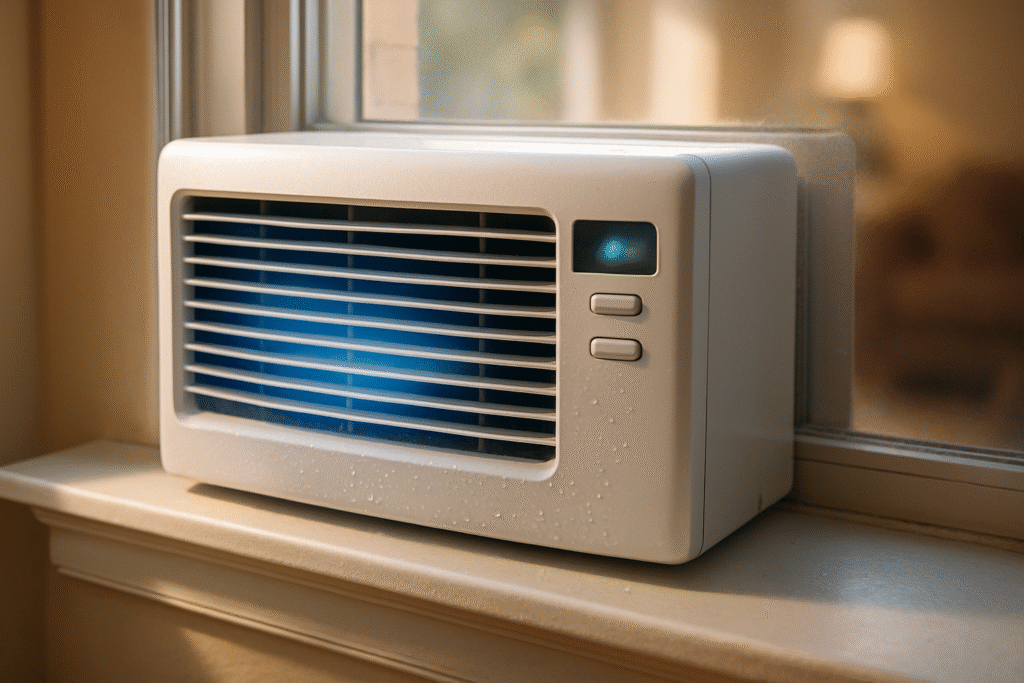
When to Choose Multiple Units or Central AC
If you need to cool several rooms consistently, multiple window units or a ductless mini-split might be more efficient than a single window AC. Central AC can be cost-effective for whole-house cooling, but it’s often unnecessary if you spend most of your time in a few rooms.
Benefits of Multiple Window Units
Using separate units lets you cool only occupied spaces and provides redundancy—if one unit fails, others still operate. This zoned approach can be more energy efficient than cooling an entire home, especially for partial occupancy.
When Central AC Makes Sense
If you require uniform cooling throughout the house, or if your home layout prevents efficient zoning, central air may be the best long-term solution. Consider the higher upfront cost against convenience and whole-home comfort.
Buying Checklist: How to Choose the Best Window AC for Efficient Cooling
Use this checklist when shopping so you don’t miss critical factors that affect performance and satisfaction. This checklist is practical and keeps priorities aligned with energy efficiency.
| Step | What to check and why |
|---|---|
| Measure room size | Ensures correct BTU selection |
| Check window type and dimensions | Confirms physical compatibility and mounting needs |
| Compare EER / CEER | Higher numbers save energy over time |
| Look for Energy Star certification | Often qualifies for rebates and ensures efficiency |
| Review noise levels | Important for bedrooms and workspaces |
| Confirm electrical requirements | Prevents overloads and unsafe setups |
| Evaluate filter and air quality features | Matches health needs and maintenance effort |
| Check warranty and parts availability | Protects your investment |
| Read user reviews for reliability | Real-world performance and issues |
| Consider smart features | For convenience and potential energy savings |
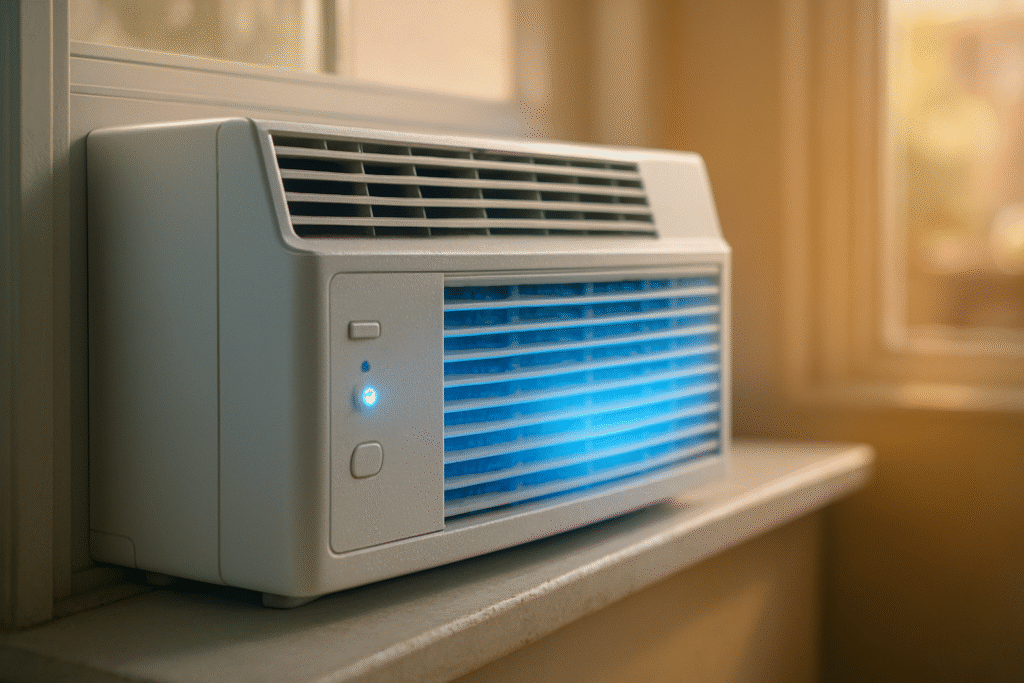
Frequently Asked Questions
You probably have specific questions about sizing, efficiency, or installation. These answers cover the most common concerns and clarify practical points to help you move forward.
Q: How do I know if a unit is too big for my room? A: If the unit cycles on and off frequently without reaching the set temperature, it’s likely oversized. Oversized units can cool quickly but won’t dehumidify effectively and can increase energy costs.
Q: Is higher BTU always better? A: No. Too much capacity can waste energy and reduce comfort due to poor humidity control. Match BTU to room size and conditions for optimal performance.
Q: Can I run a window AC all night in a bedroom? A: Yes, but choose a quieter model and use eco or sleep modes to lower power use and noise. Consider a programmable timer so the unit doesn’t run unnecessarily.
Q: How often should I clean the filter? A: Typically every 30 days during heavy use. If you have pets or high dust, check and clean more often to maintain airflow and efficiency.
Q: Are window ACs safe to leave unattended? A: When installed correctly and used per manufacturer instructions, they’re safe. Ensure proper electrical setup, secure mounting, and regular maintenance to reduce risk.
Final Thoughts
Choosing the best window air conditioner for efficient cooling means balancing capacity, efficiency, noise, and features to suit your lifestyle and space. By sizing correctly, prioritizing higher EER/CEER ratings or an energy star window air conditioner, and following good installation and maintenance practices, you’ll keep your space comfortable while minimizing operating costs.
If you’d like, you can tell me the room size, window type, and typical sun exposure and I’ll help narrow down the ideal BTU and feature set for your situation.