

Are you looking for practical ways to make your home’s air conditioning run more efficiently so you can stay comfortable while lowering energy bills?
Strategies for More Efficient Air Conditioning in Homes
This article gives you clear, actionable strategies to improve your air conditioning efficiency. You’ll find technical explanations, hands-on tips, and cost-saving ideas that you can apply room-by-room or system-wide.
How Air Conditioning Works
Understanding basics helps you make smarter efficiency choices. An air conditioner removes heat and humidity from indoor air by circulating refrigerant through a closed loop and transferring heat outside.
The main goal of every efficient system is to remove the same amount of heat using less electricity. When you grasp the components and processes, you’ll know where to intervene to improve performance.
Key components of an AC system
Your central air system typically includes an outdoor condenser/compressor, an indoor evaporator coil, a blower/furnace or air handler, refrigerant lines, and ductwork. Each component must function properly to maintain efficiency.
If one component is underperforming—like a dirty coil or leaky ducts—the whole system works harder and uses more energy. Routine checks help you spot weak links before they become costly failures.
Why efficiency matters
Efficient cooling reduces your electric bills and extends the life of your equipment. Lower energy use also reduces wear and tear, decreasing the frequency of repairs.
Beyond money savings, improved efficiency reduces your household’s environmental footprint by lowering energy consumption and associated emissions. Small upgrades often pay back in a few years through bill savings.
Assessing Your Current System
Before making changes, you should assess how your system performs today. A quick evaluation helps you prioritize fixes that deliver the biggest benefits.
You’ll want to gather recent energy bills, note comfort patterns, and inspect system age and maintenance history. This baseline will guide decisions about repairs, upgrades, or replacements.
Measure performance and energy use
Start by comparing monthly electricity usage during cooling months to previous years. Monitor your thermostat settings and runtime to estimate how hard your system runs. You can use a smart plug for window units or a whole-home energy monitor for central systems.
Also track indoor temperature differences between rooms and between return-air and supply-air temperatures. These measurements help reveal inefficiencies like low refrigerant or airflow problems.
Common signs of inefficiency
If your system runs constantly, cycles frequently, produces uneven temperatures, blows warm air, or increases humidity, you likely have an issue. Another common sign is visible ice forming on the evaporator coil or refrigerant lines.
If utility bills rise without obvious changes in behavior or weather, inefficiency or a failing component may be the cause. Recognizing these signs early helps you take corrective action before costs escalate.
Thermostat Strategies
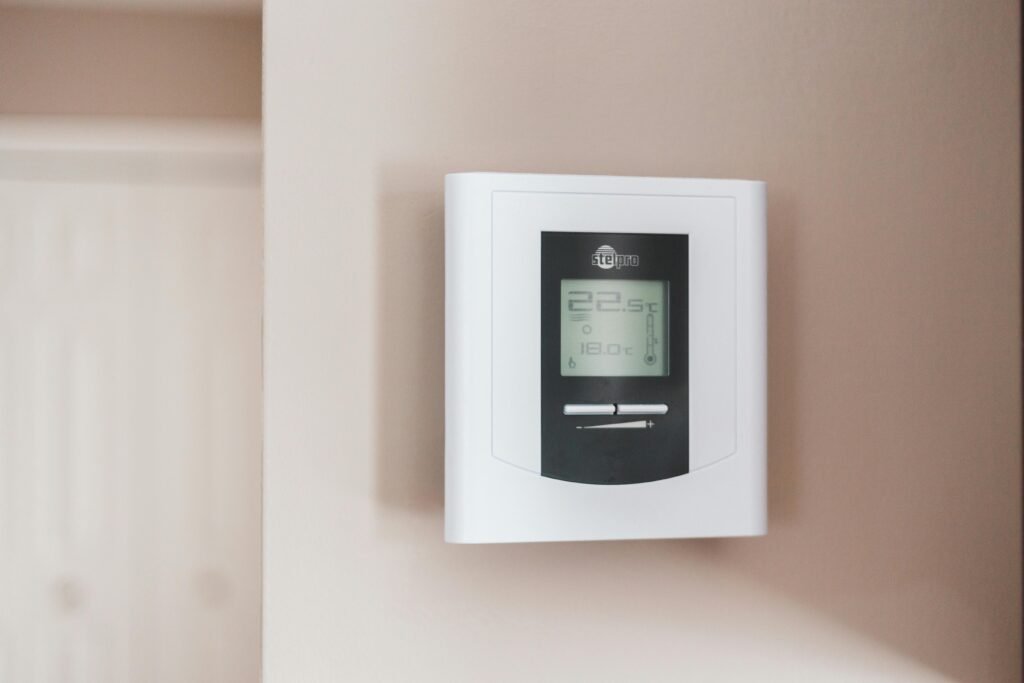
Your thermostat is a central lever for comfort and savings. Using it wisely can significantly reduce energy use without sacrificing comfort.
Modern thermostats offer scheduling, setbacks, and learning behaviors that keep your home comfortable and efficient. Even simple adjustments to setpoints can yield noticeable savings.
Programmable and smart thermostats
Upgrading to a programmable or smart thermostat helps you set schedules, coordinate with occupancy patterns, and optimize run cycles. Many models learn your preferences and adjust automatically to avoid wasted runtime.
You can also connect smart thermostats to home sensors or weather services to pre-cool or avoid unnecessary cooling. Remote control via a phone app lets you change settings when plans change.
Recommended temperature settings
Choosing the right setpoints reduces runtime and keeps you comfortable. In summer, aim for about 78°F (26°C) when you’re at home and awake, and raise it 4–6°F when you’re away or asleep. Each degree you increase can save energy.
Use a table to compare practical settings:
| Situation | Recommended Summer Setpoint |
|---|---|
| Home and active | 76–78°F (24–26°C) |
| Away (at work/school) | 80–82°F (27–28°C) |
| Sleeping | 76–80°F (24–27°C) |
| Humidity control priority | 74–76°F (23–24°C) + dehumidifier |
Adjust setpoints slightly for personal comfort, but avoid large, frequent changes that force long recovery cycles.
Insulation and Air Sealing
Insulation and air sealing reduce the cooling load by slowing heat gain into your home. Improving the building envelope is often the most cost-effective efficiency improvement.
Focus on attic, walls, and floors where heat transfer and air leakage are highest. Good insulation and tight sealing keep conditioned air where you want it.
Attic, walls, and floors
Attic insulation typically offers the best return on investment because heat rises and attics are highly exposed to sun-warmed roofs. Ensure your attic meets recommended R-values for your climate zone.
Wall and floor insulation also matter, especially in older homes. Consider blown-in insulation for wall cavities and proper sealing under floors above unconditioned crawlspaces.
Air leaks to prioritize
Common leakage points are around windows, doors, recessed lighting, plumbing penetrations, and HVAC openings. Weatherstripping doors and caulking gaps are inexpensive ways to reduce infiltration.
Duct boots, attic access hatches, and bypasses around chimneys are often neglected but substantial sources of wasted cooling. Prioritize sealing those areas for immediate efficiency gains.
Windows, Doors, and Shading
Your windows and doors can be major sources of heat gain. Managing solar heat through shading, treatments, and glazing reduces the load on your AC.
Simple measures like blinds and awnings make a difference, while upgraded windows and films provide longer-term improvements.
Window treatments and glazing
Interior shades, cellular blinds, and reflective films reduce solar heat entering your home. Cellular shades also add insulation value at night when closed.
For larger upgrades, consider double- or triple-pane windows with low-emissivity (low-E) coatings. Those improvements lower both heat gain and heat loss and can reduce HVAC runtime.
Outdoor shading and landscaping
Exterior shading—like awnings, pergolas, and shade trees—reduces direct sunlight on windows and walls. This can lower indoor temperatures regionally and reduce air conditioner workload.
When planting trees, position deciduous trees to shade summer sun while allowing winter solar gain. Use evergreen shrubs to shade walls year-round where appropriate.
Ductwork and Airflow
Ductwork is the circulatory system of your central AC and often the site of major losses. Properly sized, sealed, and insulated ducts support efficient delivery of conditioned air.
Leaky ducts not only waste energy but can pull in unconditioned attic or crawlspace air, undermining comfort and indoor air quality.
Inspecting and sealing ducts
Have ducts inspected for obvious gaps, disconnected sections, and poorly sealed joints. Use mastic or foil-back tape (not standard duct tape) for permanent sealing.
Insulate ducts in unconditioned spaces to prevent conductive heat gain. In hot attics, insulated ducts can make a big difference in delivered air temperature.
Balancing airflow and registers
Ensure vents and registers aren’t blocked by furniture or curtains, and consider adjusting dampers to balance airflow room-to-room. Proper balancing prevents hot spots and reduces the temptation to lower the thermostat.
If some rooms are consistently too warm, consider adding supply or return vents or using booster fans rather than lowering the whole-house temperature.
Maintenance and Tune-Ups
Routine maintenance keeps systems running near peak efficiency and prevents small issues from becoming costly. Seasonal checks are straightforward and effective.
You can perform some tasks yourself and schedule professional tune-ups annually or biannually for best results.
Seasonal maintenance checklist
A simple checklist helps you remember key tasks before and during cooling season. Professional tune-ups include refrigerant checks, airflow testing, and coil cleaning.
Use this maintenance table for seasonal planning:
| Task | Frequency | DIY or Professional |
|---|---|---|
| Replace or clean filters | Every 1–3 months | DIY |
| Clean outdoor unit and clear debris | Spring | DIY |
| Check thermostat function and calibration | Annually | DIY/Pro |
| Inspect and seal ducts | Every 2–5 years | Pro (DIY spot sealing) |
| Clean evaporator and condenser coils | Annually | Pro recommended |
| Check refrigerant level and for leaks | Annually or if performance drops | Professional |
| Lubricate motors and check belts | Annually | Professional |
| Inspect condensate drain for clogs | Annually | DIY/Pro |
Following this checklist prevents efficiency losses and helps maintain capacity and airflow.
DIY maintenance tasks you can do
You can replace filters, clear debris from the outdoor condenser, check thermostat batteries, and clean accessible supply registers. These tasks are low-cost and immediate.
For tasks like coil cleaning, refrigerant handling, or major mechanical work, hire a licensed technician to avoid damage and maintain warranty coverage.
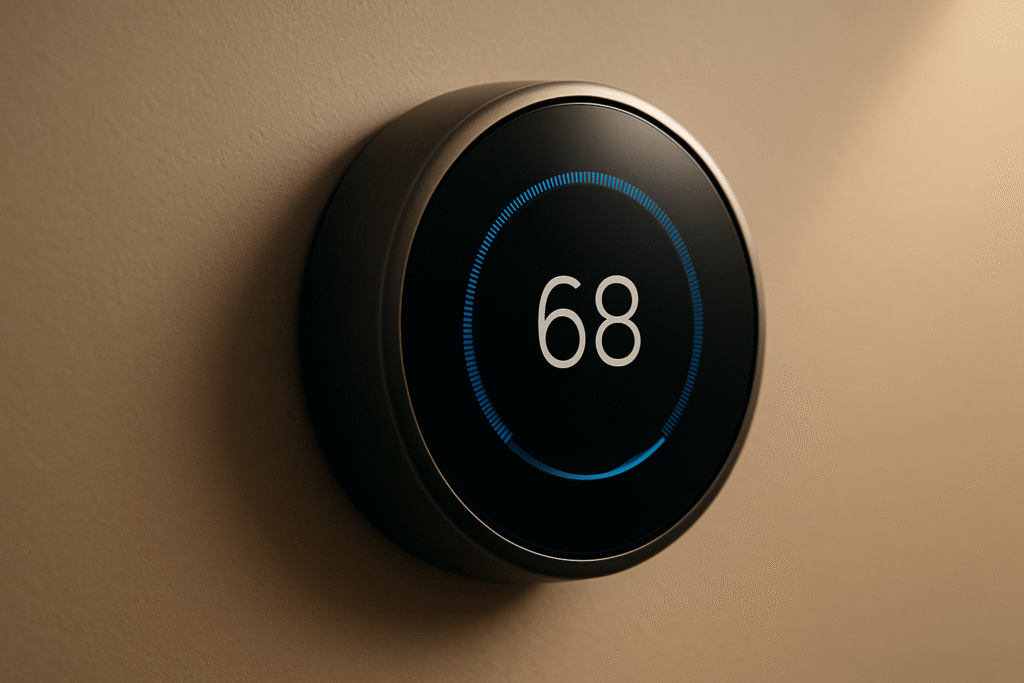
Upgrading or Replacing Your AC
When your system is old or repeatedly failing, replacement may be the most economical option over time. Choosing the right size and efficiency level matters for long-term performance.
Consider life-cycle costs—purchase price plus operating costs—rather than upfront price alone to choose the best system for your needs.
Sizing and SEER ratings
An air conditioner sized correctly provides efficient, comfortable cooling. If a system is oversized, it will cycle frequently and not remove humidity effectively. If undersized, it will run constantly and struggle to reach setpoints.
SEER (Seasonal Energy Efficiency Ratio) indicates efficiency; higher SEER numbers mean less energy use per cooling output. Aim for the highest SEER you can justify based on usage, climate, and payback.
When to replace vs repair
If your unit is older than 10–15 years, requires frequent repairs, or uses low-efficiency parts, replacement is often the better choice. Major repairs like compressor replacement can approach the cost of a new unit.
If the issue is minor (e.g., thermostat, capacitor, fan motor) and the system is otherwise in good condition, a repair may be the sensible short-term move. Compare repair cost to expected remaining life and efficiency lost.
Zoning, Fans, and Ventilation
Zoning and supplemental airflow let you condition the spaces you use most, improving comfort while saving energy. Fans and ventilation can move cooled air and use far less power than compressors.
Integrating multiple strategies yields the best results—fans for active rooms, zoning for multi-story or irregular layouts.
Ceiling fans and whole-house fans
Ceiling fans increase perceived cooling by moving air across skin, allowing you to raise thermostat setpoints by a few degrees. Fans only cool people, not rooms, so turn them off when you leave.
Whole-house fans can quickly exhaust hot air from a house in milder evenings and reduce AC runtime. Use them when outdoor overnight temperatures are lower than indoor temperatures.
Zoning systems and dampers
Zoning systems use dampers and separate thermostats to control temperatures in different areas. This prevents you from overcooling unused spaces and focuses conditioning on occupied zones.
Professional design is essential for zoning because improper installation can create airflow and pressure problems. When done right, zoning is an effective way to customize comfort and reduce wasted energy.
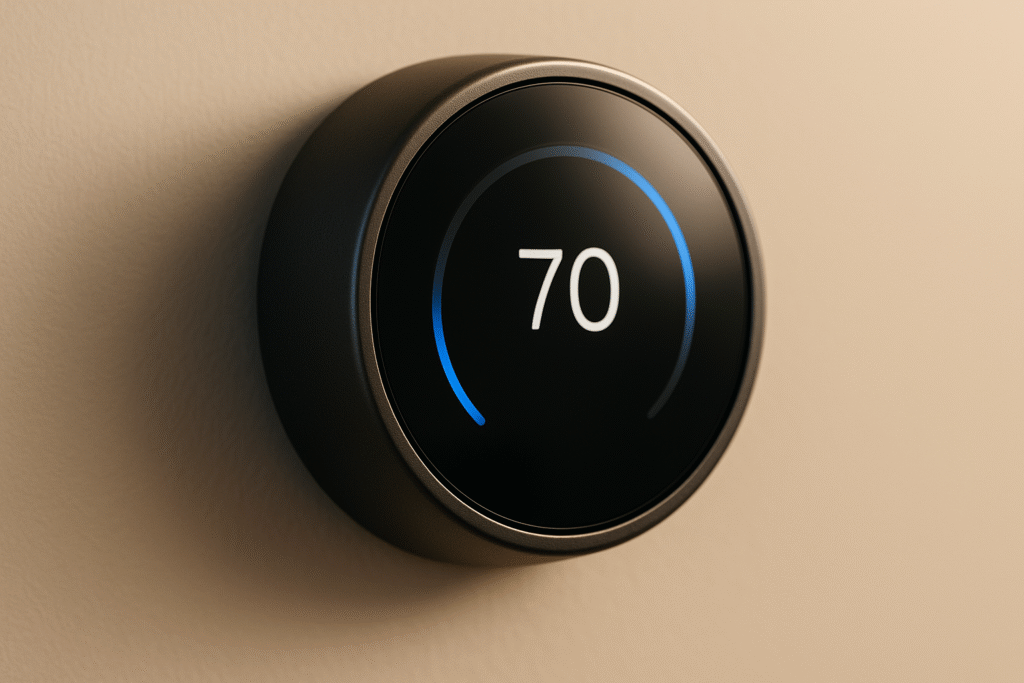
Supplemental Cooling Options
Sometimes central AC is not the best solution for all spaces. Supplemental systems offer targeted, efficient cooling for additions, rooms with different loads, or homes without ducts.
These options often require less installation cost and can offer high efficiency when matched to the use-case.
Mini-splits and ductless systems
Ductless mini-splits provide zoned heating and cooling with high efficiency and the ability to control individual rooms. They avoid duct losses and are ideal for retrofits, additions, and rooms with inconsistent loads.
Installers configure multiple indoor heads to a single outdoor compressor, giving flexible zoning without extensive ductwork.
Evaporative coolers and hybrid options
Evaporative coolers are efficient in dry climates and use significantly less electricity than traditional AC. They cool by adding moisture to air, so they’re not appropriate for humid regions.
Hybrid approaches (e.g., using an evaporative cooler during dry stretches and AC during humid heat) can minimize AC runtime while maintaining comfort.
Smart Habits and Behavioral Changes
Small behavior changes can yield consistent savings. The goal is to reduce unnecessary cooling demand while keeping your living space comfortable.
Often the lowest-cost improvements are simply changes in daily habits and routines.
Daily habits to reduce cooling load
Close blinds or curtains during midday sun, avoid using ovens and dryers during the hottest hours, and run heat-producing appliances in the evening. These simple tactics lower indoor heat gain.
Layer these habits—shading windows, running fans, and adjusting setpoints—to multiply savings without large investments.
Smart scheduling and remote control
Set schedules for weekdays and weekends and use geofencing or presence sensors to automatically adjust when you’re away. Pre-cool your home briefly before arrival instead of conditioning it all day.
If you have a smart thermostat, integrate it with weather forecasts to avoid unnecessary cooling on cooler-than-usual days.
Energy Efficiency Upgrades and Incentives
Financial incentives and rebates often offset a significant portion of upgrade costs, improving payback periods. Check local, state, and federal programs before making major purchases.
You may also find utility rebates for sealing ducts, upgrading to high-efficiency equipment, or installing smart thermostats.
Tax credits, rebates, and financing
Look for federal tax credits for energy-efficient HVAC, state energy office incentives, and local utility rebates. Some programs offer on-bill financing or low-interest loans to spread up-front costs.
Before buying equipment, consult incentive databases or contact your utility for current offers. Rebates can change frequently, so verify eligibility and timing.
High-efficiency components to prioritize
If you plan incremental upgrades, prioritize high-impact components like an efficient outdoor unit, high-efficiency air handler, and a smart thermostat. Duct sealing and attic insulation often yield quick paybacks.
Use the following table to weigh typical upgrades:
| Upgrade | Typical Cost Range | Typical Energy Impact |
|---|---|---|
| Attic insulation | $500–$3,000 | High |
| Duct sealing/insulation | $300–$2,000 | High |
| Smart thermostat | $100–$300 | Moderate |
| High-SEER AC unit | $3,000–$10,000 | High (long-term) |
| Mini-split for one room | $1,500–$4,000 | Moderate–High |
| Window upgrades (double-pane/low-E) | $300–$1,000 per window | Moderate |
Costs vary widely by region and home size; use the table for rough prioritization.
Troubleshooting Common Issues
When your AC underperforms, a structured troubleshooting approach helps you identify whether you can fix issues yourself or need professional help.
Start with simple checks before moving to more complex diagnostics.
Poor cooling or uneven temperatures
Check airflow at registers, verify filter cleanliness, and confirm thermostat settings. Ensure outdoor unit is clear of debris and that return vents are unobstructed.
If problems persist, it may be low refrigerant, a dirty evaporator coil, or a failing compressor—issues that require a licensed technician.
High humidity and moisture issues
If indoor humidity remains high despite low temperatures, your system may be oversized, cycling too quickly to dehumidify. Alternatively, airflow issues or refrigerant imbalances can reduce dehumidification capability.
Consider using a whole-house or portable dehumidifier in extreme cases, and address the root HVAC issues to restore effective moisture control.
Cost-Benefit Table of Common Improvements
This table summarizes typical upgrades, rough cost ranges, and expected payback or energy impact to help you prioritize.
| Improvement | Estimated Cost | Expected Annual Savings | Typical Payback |
|---|---|---|---|
| Increase attic insulation | $500–$3,000 | $50–$300 | 2–8 years |
| Seal ducts in attic/crawlspace | $300–$1,500 | $50–$200 | 2–6 years |
| Smart thermostat | $100–$300 | $50–$150 | 1–3 years |
| High-SEER AC replacement | $3,000–$10,000 | $200–$800 | 5–15 years |
| Mini-split for bonus room | $1,500–$4,000 | $100–$400 | 4–10 years |
| Window films/shades | $100–$800 | $20–$150 | 1–8 years |
These estimates vary by climate, electricity costs, and how well other measures are implemented.
Seasonal Strategy: Preparing for Summer and Winter
A seasonal approach helps you prevent efficiency losses and keep comfort high year-round. Minor preparations before peak seasons save you hassle and energy later.
Plan routine tasks like filter changes, system tests, and exterior unit clearing to keep performance consistent.
Pre-summer checklist
Before cooling season, replace filters, clear the outdoor unit of debris, test thermostat scheduling, and ensure vents are open and unobstructed. Schedule a professional tune-up if needed.
Also check attic insulation and ventilation so heat doesn’t build and force your system to work harder.
Winter considerations for efficiency
In cooler months, seal drafts, lower heating setpoints, and consider how your AC will be protected. Proper winterizing of the outdoor unit includes clearing debris and ensuring drainage is not blocked.
Maintaining a consistent maintenance rhythm prevents surprises when you switch between heating and cooling seasons.
Summary Checklist
Use this short checklist to get started on improving AC efficiency today. Each item is a simple, practical step you can take immediately or plan for.
- Change filters every 1–3 months.
- Set your thermostat a few degrees higher when home, higher when away.
- Seal major air leaks and insulate the attic.
- Clean around the outdoor condenser and keep it shaded.
- Schedule an annual professional tune-up.
- Consider a smart thermostat and duct sealing as next priorities.
Follow that list and you’ll see improved comfort and lower bills within weeks in many cases.
Frequently Asked Questions
Q: How much can I save by raising my thermostat one degree? A: A general rule is about 1–3% energy savings per degree for cooling, depending on your climate and how your system runs. Combined with other measures, small setpoint changes add up quickly.
Q: Are ceiling fans energy-efficient? A: Yes. Ceiling fans use far less power than air conditioners and let you raise thermostat setpoints by creating a breeze that enhances comfort. Remember to turn them off when the room is unoccupied.
Q: How often should I replace my AC unit? A: Central AC units typically last 12–20 years depending on maintenance and usage. If your system is older, less efficient, and requiring frequent repairs, replacement is often the better long-term option.
Q: Will sealing ducts make my system work harder if my home is leaky? A: Sealing ducts reduces wasted conditioned air and usually lowers system runtime. In rare cases, if you have significantly leaky returns pulling conditioned air from living spaces, sealing ducts can redistribute pressure; a well-designed sealing plan avoids negative effects.
Q: Is it worth upgrading to a high-SEER unit? A: If your current unit is old or inefficient and you plan to stay in your home for several years, a high-SEER replacement often pays back through lower energy bills. Evaluate local climate, electricity cost, and rebates to determine the best SEER target.
Final Thoughts
Small changes in your behavior and a few targeted upgrades can deliver big improvements in air conditioning efficiency. You don’t need to tackle every recommendation at once—start with low-cost actions like thermostat adjustments, filter changes, and duct sealing, then plan larger upgrades as budget allows.
By treating efficiency as a mix of habits, maintenance, and smart investments, you’ll keep your home comfortable and lower your energy bills. Take a few steps today and you’ll begin seeing benefits this cooling season.