

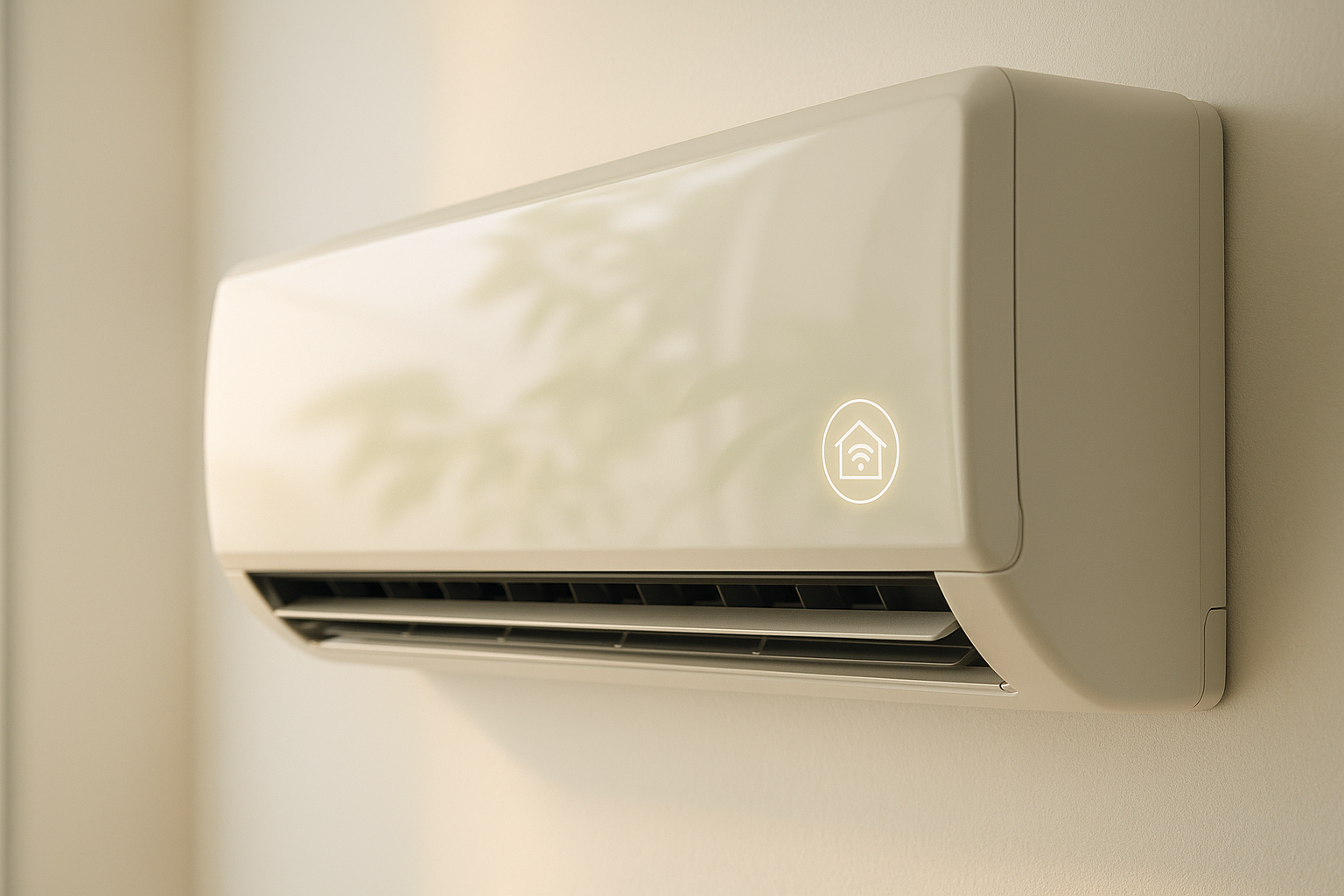
Have you ever stood in a hot room and wondered which air conditioner will keep you comfortable without skyrocketing your energy bills?

How to Choose the Best Energy Efficient Air Conditioner for Your Home
Choosing an energy efficient air conditioner can feel overwhelming with so many models, acronyms, and features. You want reliable cooling, lower energy costs, and an option that fits your space and lifestyle. This guide walks you through everything you need to know so you can make a confident, informed decision.
Why energy efficiency matters
You want comfort, but you also want smart spending and a smaller environmental footprint. Energy efficient air conditioners use less electricity, which reduces your monthly bills and lowers greenhouse gas emissions. Over the product’s lifetime, the savings can offset higher upfront costs.
Key efficiency ratings and what they mean
Understanding the main efficiency metrics will help you compare models more effectively. These numbers tell you how much cooling you get per unit of energy.
SEER (Seasonal Energy Efficiency Ratio)
SEER measures cooling efficiency over a typical cooling season. The higher the SEER, the more efficient the unit. You should look for higher SEER ratings if you use AC frequently or live in a hot climate.
EER (Energy Efficiency Ratio)
EER measures efficiency at a specific test condition (usually 95°F outside). It’s useful if you want to evaluate performance during peak heat. Higher EER is better for consistent hot temperatures.
HSPF (Heating Seasonal Performance Factor)
If you have a heat pump that provides heating as well, HSPF measures heating efficiency. Higher HSPF ratings indicate more efficient heating performance.
Energy Star and other certifications
Energy Star certification indicates the product meets established efficiency criteria. You can also check local or national programs for additional certifications or rebates.
Types of air conditioners and energy profiles
Different types of systems fit different spaces and budgets. Each has pros and cons for efficiency and installation.
Central air conditioners (split systems)
Central systems cool whole homes via ducts. They are efficient for cooling multiple rooms and tend to have high SEER ratings. If you already have ductwork, a modern high-SEER central AC can be your best bet for overall efficiency.
Ductless mini-split systems
Mini-splits let you cool individual rooms or zones without ducts. They often use inverter compressors that modulate speed, which boosts efficiency and comfort. These are ideal for rooms without duct access or for zone control to reduce wasted cooling.
Window air conditioners
Window units are compact and affordable for single rooms. Newer models have improved energy ratings, but they’re usually less efficient than central or mini-split systems for whole-home cooling.
Portable air conditioners
Portable units can move between rooms but are generally the least efficient option. You might choose one for temporary needs, but they’re not ideal for long-term energy savings.
Hybrid and multi-split systems
Hybrid systems combine efficient heat-pump technology or integrate with existing HVAC for more flexible operation. Multi-split mini-splits serve multiple indoor units from one outdoor compressor and can be efficient for multi-room setups.

Table: Quick comparison of AC types
| Type | Best for | Efficiency | Typical cost | Installation complexity |
|---|---|---|---|---|
| Central (split) | Whole-home cooling | High (with high SEER) | Medium–High | Moderate–High (ductwork) |
| Ductless mini-split | Zoning / rooms without ducts | Very High (inverter tech) | High | Moderate |
| Window unit | Single rooms | Medium | Low | Low |
| Portable unit | Temporary cooling | Low | Low | Very Low |
| Hybrid / multi-split | Mixed needs / multi-room | High | High | Moderate–High |
Sizing matters: how to calculate the right BTU
Choosing the correct size matters more than anything else for efficiency and comfort. An undersized unit struggles to cool; an oversized unit cycles on and off too frequently, wasting energy and harming humidity control.
Basic BTU guideline by room size
You can start with a rough estimate based on square footage, then refine with room-specific factors:
| Room area (sq ft) | BTU/hr (approx) |
|---|---|
| Up to 150 | 5,000 |
| 150–250 | 6,000–8,000 |
| 250–350 | 8,000–10,000 |
| 350–450 | 10,000–12,000 |
| 450–550 | 12,000–14,000 |
| 550–700 | 14,000–18,000 |
Factors that increase or decrease required BTUs
- High ceilings: increase capacity by 10–20%
- Poor insulation: increase by 10–20%
- Large windows or strong sun exposure: add 10–20%
- Kitchen or appliances producing heat: add 3,000 BTU
- More occupants: add 600 BTU per additional person beyond 2
Example calculation
If your living room is 300 sq ft with large south-facing windows and two occupants, start with 8,000–10,000 BTU for 300 sq ft, then add 10–20% for windows (+1,000–2,000) and perhaps 600–1,200 for occupants. You might choose a 12,000 BTU unit.

Inverter technology and variable-speed compressors
You should favor inverter compressors when possible. Traditional compressors are fixed-speed: they either run full blast or shut off. Inverter units modulate compressor speed to match your cooling needs, which means:
- More consistent temperature control
- Fewer start/stop cycles (less wear)
- Lower energy consumption, especially in partial-load conditions
If you want smooth operation and better efficiency year-round, choose inverter technology.
Refrigerants and environmental impact
Refrigerant choice affects both performance and environmental impact. Common refrigerants include R-410A and R-32.
R-410A
R-410A has been common in modern systems, with no chlorine and better efficiency than older refrigerants. It has a higher global warming potential (GWP) than some newer alternatives but is widely used.
R-32
R-32 has lower GWP than R-410A and is increasingly adopted in efficient systems. It is slightly flammable, so installations follow specific safety codes.
You should check local regulations and future phasing plans. Choosing a system with a low-GWP refrigerant can align with long-term environmental goals and regulatory trends.
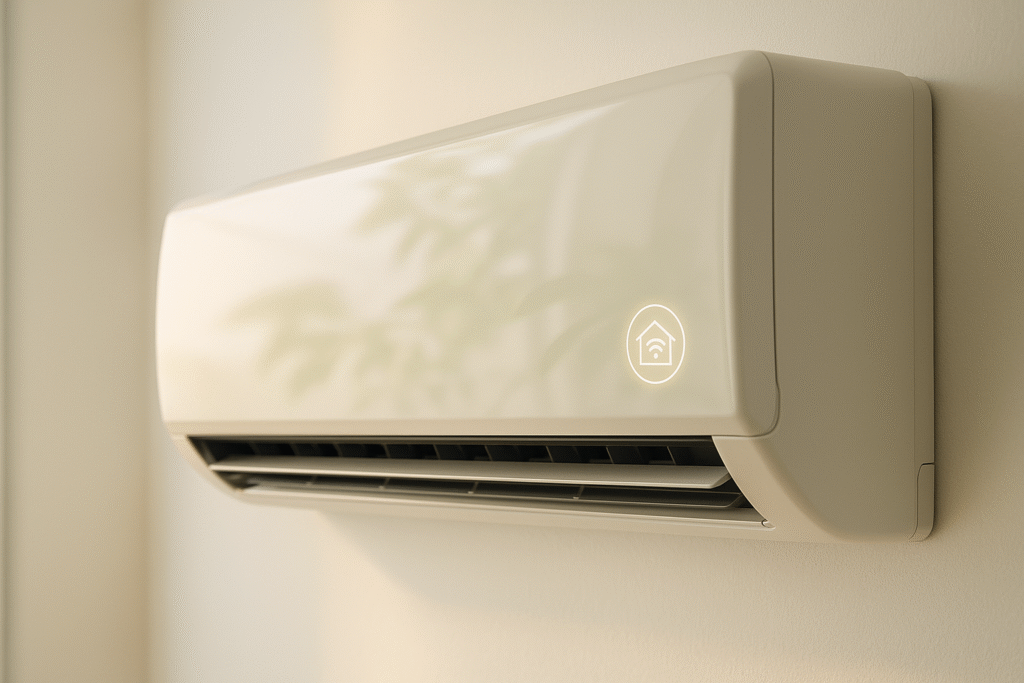
Smart features and controls that boost efficiency
Modern units include features that save energy and improve comfort. You should consider which features matter to you:
- Programmable timers and schedules: let the unit run only when needed.
- Smart thermostats and Wi-Fi control: allow remote operation and energy-saving schedules.
- Motion or occupancy sensors: cut back when rooms are empty.
- Zoning and multiple indoor units: target cooling to occupied spaces.
- Eco modes: reduce power consumption at the cost of slower cooling.
Integrating your AC with smart home systems can increase efficiency by optimizing runtime.
Filtration, indoor air quality, and humidity control
Efficiency isn’t just about energy — it’s also about how well the system helps your indoor environment. You should pay attention to filters and humidity control.
Filters
Better filters (HEPA, MERV 8–13) improve air quality but can increase pressure drop if your system isn’t designed for them. Check manufacturer recommendations and choose filters that balance filtration and airflow.
Dehumidification
Some ACs dehumidify better than others. Proper humidity control can make you feel cooler at higher temperatures, letting you set the thermostat a degree or two higher for energy savings. Multi-speed fans and variable compressors help with humidity control.
Noise levels
Noise affects comfort, especially in bedrooms. Noise is typically measured in decibels (dB). You should look for:
- Indoor unit noise for split and mini-split systems (usually 19–40 dB for quiet models)
- Outdoor unit noise levels if it sits near bedrooms or neighbors
- Window units and portable units often run louder than split systems
Lower noise often accompanies higher-quality components and better insulation, which can be a worthwhile trade-off.
Installation: why it matters and what to expect
Proper installation is critical for efficiency. Even the most efficient equipment underperforms if it’s poorly installed.
Key installation considerations
- Proper sizing and load calculation (Manual J for whole-home systems)
- Correct refrigerant charge and airflow
- Duct sealing and insulation for central systems
- Proper placement of outdoor units (shaded, clear airflow)
- Electrical capacity and proper wiring
- Professional permitting and adherence to local codes
You should hire licensed HVAC professionals who provide a written scope of work and guarantee their installation.
Maintenance for energy performance and longevity
Regular maintenance preserves efficiency and extends equipment life. You should establish a schedule:
- Change or clean filters every 1–3 months depending on use
- Clean coils and condensate drain annually
- Inspect refrigerant charge and system pressures yearly
- Have a professional tune-up before peak cooling season
- Keep outdoor units clear of debris, plants, and obstructions
Neglecting maintenance can reduce efficiency by 5–15% or more.
Warranties and expected lifespan
You should factor warranty and lifespan into your decision. Typical lifespans:
- Central systems: 12–20 years
- Ductless mini-splits: 12–20 years
- Window units: 8–12 years
- Portable units: 5–10 years
Check warranties for parts, compressors, and labor. Extended warranties can be helpful but read the terms and exclusions.
Cost vs. savings: how to evaluate value
You’ll balance upfront cost and long-term savings. Higher-efficiency models cost more initially but can save substantially on energy bills.
Estimating savings
You can roughly estimate savings by comparing SEER ratings. For example, replacing an older 10 SEER unit with a 16 SEER unit can reduce cooling energy use by about 37.5% (1 – 10/16).
Example annual savings table
| Old SEER | New SEER | Relative energy use | Annual cost at $0.14/kWh (example) |
|---|---|---|---|
| 10 | 14 | 10/14 = 71% -> 29% savings | If old cost $600 → new ~$426 (saves $174/yr) |
| 10 | 16 | 10/16 = 62.5% -> 37.5% savings | Old $600 → new ~$375 (saves $225/yr) |
| 12 | 20 | 12/20 = 60% -> 40% savings | Old $500 → new ~$300 (saves $200/yr) |
These are illustrative numbers. Actual savings depend on climate, usage, electricity rates, and home characteristics.
Rebates, incentives, and tax credits
You should check federal, state, and local incentives to reduce upfront costs. Energy Star products, heat pumps, and high-SEER systems often qualify. Utility companies sometimes offer rebates for efficiency upgrades. Check official government and utility sites before purchase.
Environmental considerations beyond efficiency
Think about the broader environmental impact: refrigerant GWP, manufacturing, disposal, and energy source (renewable vs. grid mix). If your electricity is from low-carbon sources, efficient AC is even greener. Consider recycling old units properly and choosing systems with low-GWP refrigerants.
Choosing the right contractor or retailer
Your installer matters. You should look for:
- Proper licensing and insurance
- Strong local reputation and reviews
- Clear written estimates and scope of work
- Experience with the chosen system type
- Willingness to perform load calculations and duct evaluation
- Post-installation support and warranty handling
Ask for references and compare at least three quotes.
Practical checklist before buying
You should follow this checklist to avoid common mistakes:
- Identify cooling needs and square footage of spaces
- Check insulation, windows, and attic ventilation for efficiency improvements
- Decide on system type (central, mini-split, window, portable)
- Aim for high SEER/EER and inverter technology if budget allows
- Confirm refrigerant type and future regulations
- Factor in noise, filtration, and humidity control
- Get multiple quotes and verify installation details
- Ask about rebates and financing
- Schedule professional load calculation and proper installation
Common mistakes to avoid
You want the best outcome, so avoid these pitfalls:
- Buying the largest BTU unit “just to be safe”
- Skipping professional sizing and installation
- Choosing the cheapest unit without considering long-term costs
- Ignoring duct leaks or poor insulation
- Forgetting to check warranty and service network
Frequently asked questions (FAQ)
You should be able to answer these common doubts quickly.
Will a higher SEER always save you money?
Yes in general, but savings depend on your climate, usage patterns, and electricity costs. Higher SEER yields more savings in hot climates and for heavy AC users.
Is a mini-split worth the higher price?
If you need zone control, don’t have ducts, or want high efficiency with low noise, a mini-split is often worth the investment.
Can I install a more efficient unit myself?
Professional installation is strongly recommended. Incorrect charge, poor placement, or improper ductwork can negate efficiency gains.
How often should I replace my AC?
If your unit is older than 12–15 years, requires frequent repairs, or uses an outdated refrigerant being phased out, replacing it with a high-efficiency model may be cost-effective.
Final decision steps: how to choose the best model for your home
Follow this step-by-step:
- Assess your cooling needs and room sizes.
- Improve insulation, seal air leaks, and add shading if possible.
- Determine preferred system type based on ductwork and zoning.
- Set a target SEER/EER and prioritize inverter technology.
- Check refrigerants and local regulations.
- Gather quotes, confirm load calculations, and compare long-term costs.
- Factor in noise, filtration, warranties, and maintenance plans.
- Review rebates and incentives to reduce initial cost.
- Schedule professional installation and set up a maintenance plan.
Quick buying guide summary
You should prioritize:
- Correct sizing (not too big, not too small)
- Inverter technology and high SEER/EER
- Reputable installation and proper commissioning
- Smart controls and good filtration
- Regular maintenance to sustain efficiency
Closing tips to make the most of your new AC
After purchase and installation, ensure you:
- Use programmable schedules and smart settings to avoid unnecessary runtime
- Raise the thermostat a few degrees and rely on improved insulation and fans to reduce energy use
- Clean or replace filters regularly
- Keep outdoor units clean and shaded without blocking airflow
- Schedule annual professional maintenance
Choosing the best energy efficient air conditioner for your home brings comfort, savings, and long-term peace of mind. By focusing on proper sizing, modern inverter technology, reputable installation, and ongoing maintenance, you’ll get the most value from your investment while reducing energy use and environmental impact.