

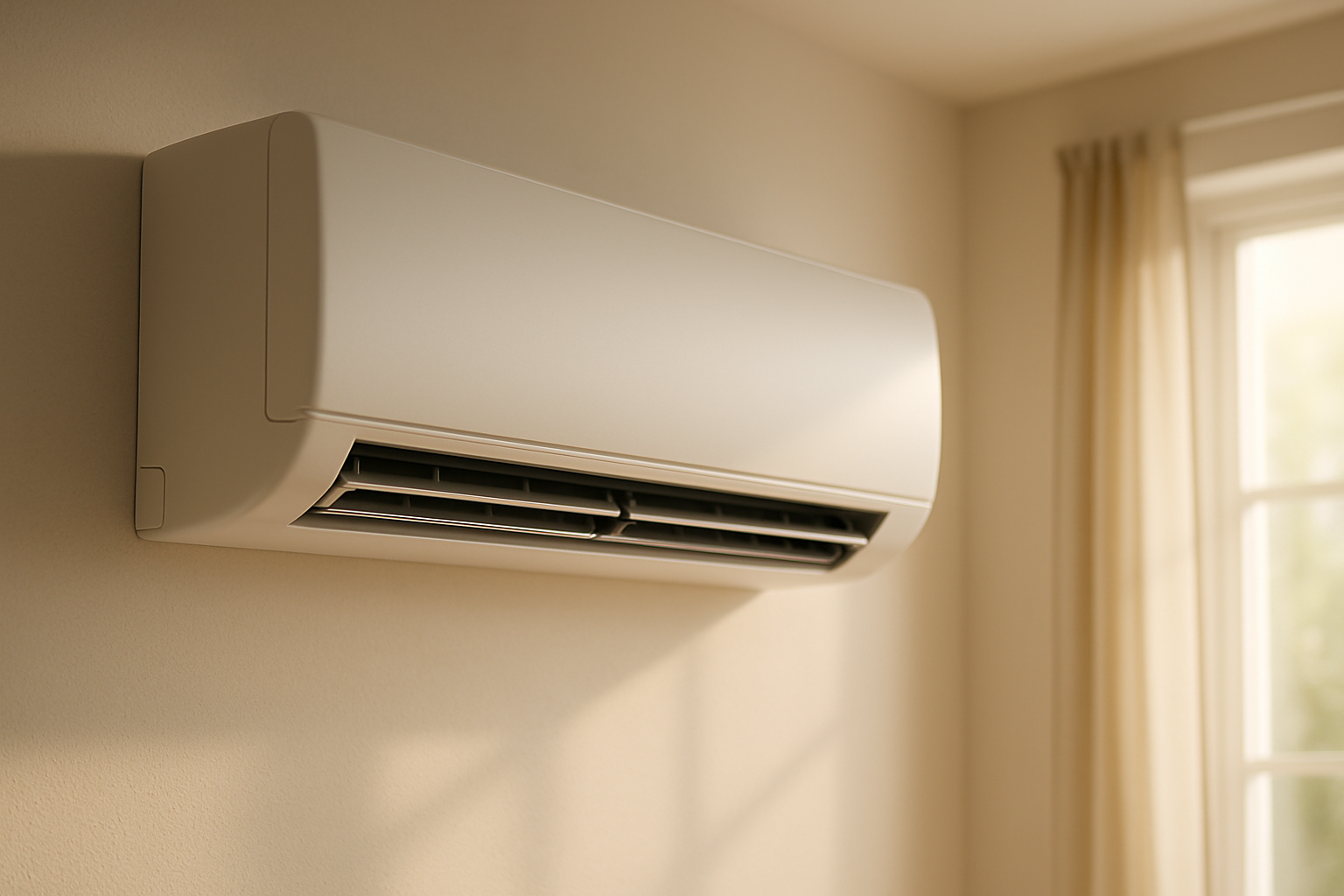
? Are you trying to choose the most efficient split system air conditioner for your home and want to make the smartest long-term decision?
Choosing the Most Efficient Split System Air Conditioner for Your Home
Choosing an efficient split system air conditioner matters for comfort, monthly bills, and the environment. This guide walks you through what efficiency means, which metrics to compare, how to size a system, and which features will give you the best value over time.
Why efficiency should be a top priority
An efficient split system uses less electricity to deliver the same cooling (or heating) comfort, which lowers your utility bills and reduces your carbon footprint. Efficiency also often comes with better temperature control, quieter operation, and longer equipment life when properly installed and maintained.
How split system air conditioners work
A split system separates the indoor air-handling unit from the outdoor compressor/condenser, connected by refrigerant lines. The indoor unit absorbs heat from the room while the outdoor unit rejects that heat to the outside, driven by the compressor and controlled by the thermostat.
Indoor and outdoor components
The indoor unit contains the evaporator coil, blower, and filter. The outdoor unit houses the compressor, condenser coil, and the fan that expels heat, and both must be matched to perform efficiently.
The refrigerant cycle in simple terms
Refrigerant circulates between indoor and outdoor units, changing state from liquid to gas and back to liquid, absorbing heat during evaporation and releasing it during condensation. The compressor raises refrigerant pressure and temperature, enabling heat transfer at the desired temperatures.

Key efficiency metrics you should compare
Efficiency is measured with several standardized metrics that tell you how much cooling (or heating) you get per unit of energy. Knowing what these mean helps you compare models on an apples-to-apples basis.
SEER and SEER2 (Seasonal Energy Efficiency Ratio)
SEER measures seasonal cooling efficiency as the ratio of cooling output to energy input over a typical cooling season. SEER2 is an updated test metric that more accurately reflects real-world performance under new test conditions; if available, prefer SEER2 for U.S. comparisons because it accounts for external static pressure and more realistic system losses.
EER (Energy Efficiency Ratio)
EER measures efficiency at a specific outdoor temperature (often 95°F / 35°C). Use EER to understand how your system performs during peak heat days. If you live in a hot climate with long periods of high temperatures, a higher EER can reduce peak-day consumption.
HSPF and COP (heating performance)
HSPF (Heating Seasonal Performance Factor) measures heat pump heating efficiency over the heating season. COP (Coefficient of Performance) measures instantaneous heating efficiency. If you plan to use the unit for heating, compare HSPF and COP to determine true year-round value.
Energy labels and certifications
Look for Energy Star or equivalent certifications in your country for verified efficiency benchmarks. Labels summarize ratings and can show annual estimated energy use so you can compare model-to-model quickly.
Table: Quick reference for common efficiency metrics
| Metric | What it measures | When it matters most |
|---|---|---|
| SEER / SEER2 | Seasonal cooling efficiency | Year-round operating cost for cooling |
| EER | Cooling efficiency at a fixed hot temp | Peak-day performance in very hot climates |
| HSPF | Seasonal heating efficiency for heat pumps | Heating cost if you use the unit for warmth |
| COP | Instantaneous heating (ratio) | Efficiency at specific conditions, useful for heat pumps |
| Energy Star / local label | Verified performance / efficiency | Quick model-level comparison and minimums |
Inverter vs non-inverter systems: what you need to know
Inverter technology varies compressor speed to match cooling demand rather than cycling fully on and off. This leads to lower energy use, reduced temperature swings, and quieter operation.
How inverter technology saves energy
By running the compressor at varying speeds, an inverter system avoids the energy-intensive start-up cycles of fixed-speed compressors and maintains a steady temperature more efficiently. That steady operation also reduces wear and tear, potentially extending equipment life.
When a non-inverter system might be acceptable
For very small, infrequently used spaces or tight budgets where upfront cost is the main constraint, a non-inverter unit can be cheaper initially. However, you should expect higher operating costs and less comfort control over the long term compared with modern inverter models.

Choosing the right capacity for your space
Getting the sizing correct is one of the most important steps to achieve both comfort and efficiency. Too small a unit will struggle and use excess energy; too large a unit will short-cycle, which reduces dehumidification and wastes energy.
Rule-of-thumb sizing and why it’s only a start
A common rule of thumb is 20–30 BTU per square foot for typical conditions, but this ignores insulation, ceiling height, sun exposure, and occupant load. Use this only as a preliminary guide before performing a more detailed calculation.
Table: Rough capacity guide by room size (typical conditions)
| Room size (ft²) | Typical BTU/h range | Typical kW (approx.) |
|---|---|---|
| 100–200 | 6,000–7,000 | 1.8–2.1 kW |
| 200–300 | 8,000–10,000 | 2.4–2.9 kW |
| 300–400 | 12,000–14,000 | 3.5–4.1 kW |
| 400–600 | 15,000–18,000 | 4.4–5.3 kW |
| 600–1,000 | 18,000–24,000 | 5.3–7.0 kW |
These figures assume average insulation and typical ceiling height. Adjust upward for sun-exposed rooms, high ceilings, many occupants, or lots of heat-generating appliances.
Manual J basics and professional load calculations
A Manual J or equivalent heat load calculation considers insulation levels, window sizes and orientations, local climate, occupancy, and appliances. You should get a professional calculation for whole-house systems or when accuracy is important to avoid mis-sizing.
Oversizing vs undersizing: the trade-offs
Oversizing leads to short-cycling, poor humidity control, and higher energy per hour of operation. Undersizing leads to continuous running, inability to reach setpoints, and possible premature wear. A correctly sized inverter system will modulate to meet demand efficiently.
Features that improve real-world efficiency
Efficiency isn’t just a rating — features affect how the system performs in your home. Choose features that match your lifestyle and climate to get the most value.
Smart thermostats, sensors, and zoning
Smart thermostats optimize setpoints and schedules and can integrate with sensors for multiple zones, so you only cool occupied spaces. Zoning systems let you set different temperatures in different parts of the home, preventing wasteful cooling of unused rooms.
Variable-speed fans and compressors
Variable-speed fans on indoor units and variable-speed compressors in outdoor units maintain steady airflow and capacity, which lowers energy use and improves humidity control. This is especially valuable in humid climates where dehumidification matters.
High-efficiency filters and indoor-air quality (IAQ) features
Better filters reduce dust buildup and keep coils clean, which preserves efficiency. Some units include air cleaning or dehumidifying modes that can decrease reliance on running the compressor continuously, saving energy and improving comfort.
Heat pump capability and reverse-cycle units
Many split systems are heat pumps that provide both cooling and efficient heating. If your climate has cold seasons, a high-HSPF heat pump can replace separate heating equipment and be more energy-efficient than electric resistance heat.

Refrigerants and environmental considerations
Refrigerants impact efficiency and environmental footprint. Choosing units that use modern, low-GWP refrigerants helps future-proof your system and often improves thermodynamic efficiency.
Common refrigerants today: R32, R410A, and replacements
R410A has been common but is being phased down in many regions due to high global warming potential (GWP). R32 has a lower GWP and better efficiency properties and is increasingly used in residential split systems. Newer low-GWP options like R454B are also appearing but may vary by market.
Regulatory trends and long-term serviceability
Regulations in many countries are reducing the availability of high-GWP refrigerants, so check that the model you buy uses a refrigerant that will be serviceable in the future. Also confirm local service technicians are trained on that refrigerant and that parts are available.
Installation quality and its effect on efficiency
Even the most efficient unit can perform poorly if installed incorrectly. Proper placement, refrigerant charge, line-set routing, and electrical connections matter greatly.
Placement, clearance, and airflow
The outdoor unit needs clearance from walls, landscaping, and direct obstructions for proper airflow. Indoor units should be placed for even distribution and away from heat sources or direct sun, and piping should be protected and insulated.
Refrigerant charge, line set length, and piping
Incorrect refrigerant charge reduces efficiency and can damage the compressor. Excessive line set length, poor insulation, or unnecessary bends can harm performance. A certified installer should ensure proper charge and installation to manufacturer specifications.
Commissioning, testing, and performance verification
Ask the installer to perform a commissioning test: measure temperature differentials, verify airflow, check refrigerant pressures, and confirm electrical inputs. A documented commissioning report protects your warranty and ensures real-world efficiency.
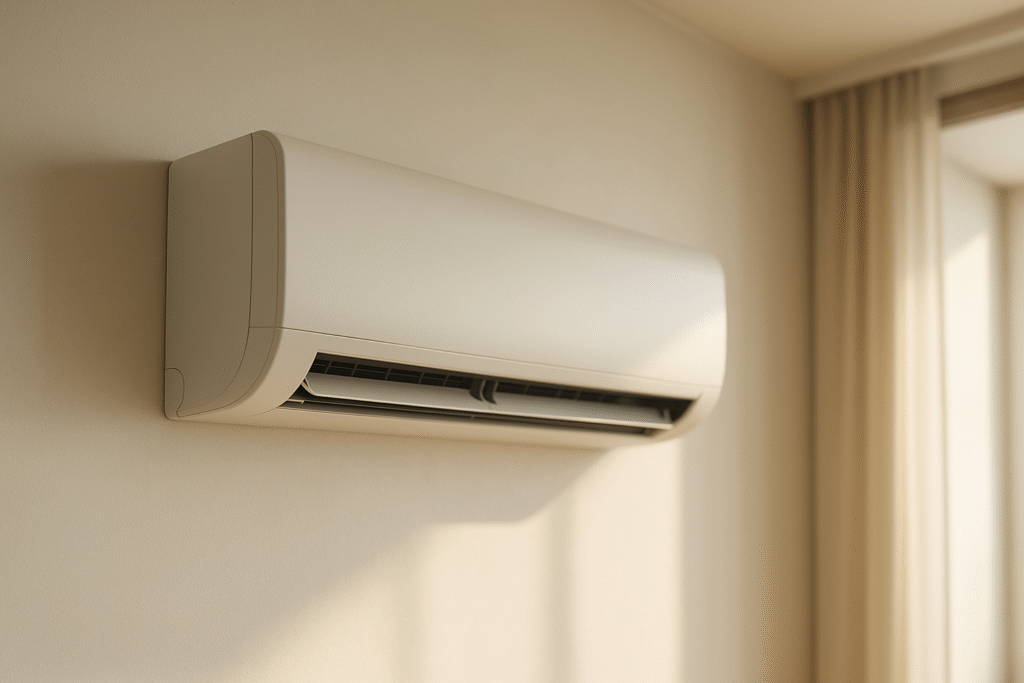
Maintenance practices to preserve efficiency
You can keep your system operating close to its rated efficiency with regular maintenance. Neglecting this will erode performance even with a high-SEER model.
Regular filter and coil cleaning
Clean or replace filters regularly to maintain airflow and prevent coil fouling. Dirty coils reduce heat transfer and raise energy use; cleaning them annually (or as needed) is critical.
Scheduled professional servicing
Have a technician inspect your system annually to check refrigerant charge, look for leaks, clean coils, and verify electrical components. Preventive service catches issues early and maintains efficiency.
Smart operating habits
Set a reasonable temperature, use fan modes appropriately, and avoid frequent large setpoint swings. Using timers, setback schedules, and zoned control reduces run time and saves energy.
Cost versus efficiency: calculating lifecycle value
Efficiency decisions should weigh upfront costs against operating savings over the system’s lifetime. A higher initial price can be justified by lower energy bills, improved comfort, and longer equipment life.
Upfront cost compared to operating cost
High-efficiency inverter units typically cost more to purchase and install but save energy monthly. Create a simple lifecycle estimate: annual energy savings × expected life yields cumulative savings to compare with the extra upfront cost.
Table: Example lifecycle cost comparison (illustrative)
| Feature | Basic non-inverter (12,000 BTU) | High-efficiency inverter (12,000 BTU) |
|---|---|---|
| Upfront cost | $700 | $1,300 |
| Estimated annual energy use | 1,200 kWh | 800 kWh |
| Electricity cost ($0.15/kWh) annual | $180 | $120 |
| Annual savings | — | $60 |
| Simple payback on extra cost | — | 10 years |
This example uses illustrative numbers; run your own calculation with your local electricity rate and actual model data. For many homeowners, payback periods are 5–15 years depending on usage and rates.
Incentives, rebates, and financing
Look for local incentives, rebates, or low-interest financing for high-efficiency units and heat pumps, which can shorten the payback period significantly. Some utilities and governments offer rebates for specific efficiency thresholds or refrigerant types.
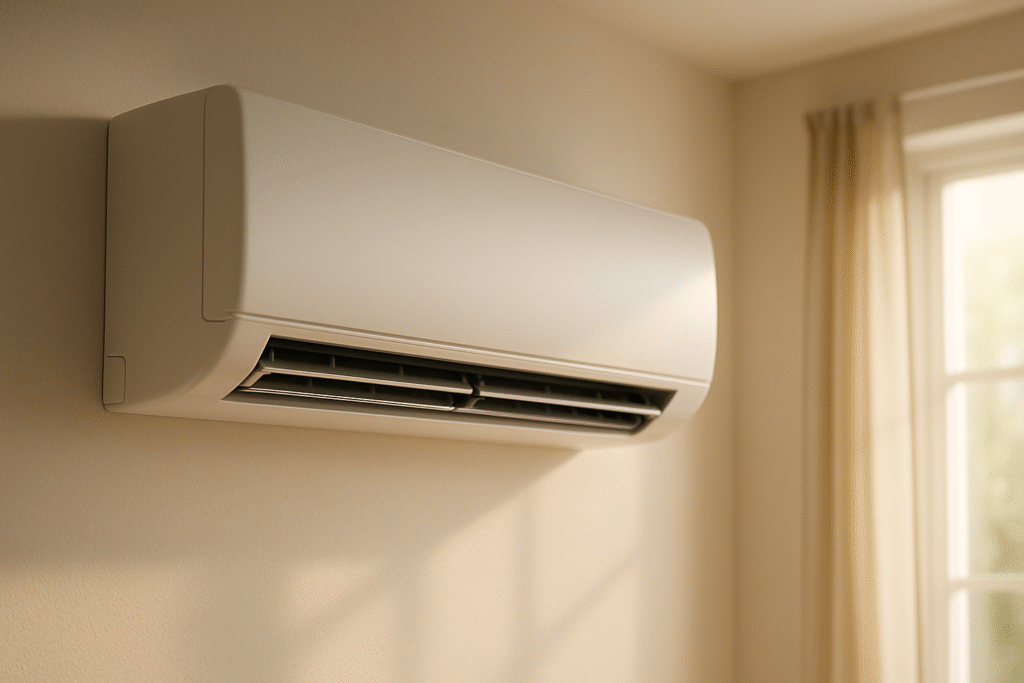
How to shortlist brands and models
You should consider more than marketing claims; look at specification sheets, verified ratings, and local serviceability. Shortlist models that meet your efficiency needs, fit your budget, and have good local support.
What to inspect on a spec sheet
Check SEER/SEER2, EER, HSPF, capacity in BTU or kW at rated conditions, sound levels (dB), and the type of refrigerant. Verify rated conditions and whether the unit is inverter-driven.
Warranty, parts availability, and installer support
A good warranty on compressor and parts matters; also check how long the manufacturer supports the model and whether local technicians stock parts. Choose brands that are common in your region to ensure faster service.
Reading reviews and installer feedback
Look at owner reviews for real-world reliability and installer feedback to learn about common installation or service issues. Local HVAC professionals can tell you which models have fewer service calls and which brands back their warranties.
Purchasing checklist: what to get in writing
Use this checklist when you get quotes so you can compare offers fairly and protect yourself after purchase.
- Manual J or equivalent load calculation documented.
- Model number, SEER/SEER2, EER, HSPF, refrigerant type, and capacity in BTU/kW.
- Detailed installation scope including line set length, electrical upgrades, placement, and clearances.
- Total system price with labor, parts, and any necessary modifications.
- Estimated annual energy use or an energy rating label (if provided).
- Warranty terms, start date, and what is covered.
- Commissioning test results documented after installation.
- Rebate and incentive paperwork assistance, if applicable.
Common scenarios and tailored recommendations
Different homes and climates favor different system features. Here are common situations to guide your selection.
Small apartments or single rooms
Choose a compact inverter split unit with high SEER/EER for low noise and efficient part-load operation. Consider wall-mounted units with Wi-Fi control and a timer to avoid cooling when you’re not there.
Larger homes with multiple zones
Use multiple indoor units or a multi-split system that allows different capacities per zone. Zoning and an intelligent controller reduce waste by cooling only occupied areas.
Hot, dry climates
Prioritize high EER and SEER values to reduce peak-day bills, and choose models with effective dehumidification or separate dehumidifiers if necessary. Good shading and insulation will also reduce cooling load significantly.
Hot, humid climates
Select units with excellent dehumidification performance and variable-speed compressors to maintain comfort without short-cycling. Correct sizing and ductless or ducted inverter solutions that emphasize moisture removal are ideal.
Mild climates with mixed heating needs
A high-HSPF heat pump can replace separate heating systems and deliver excellent year-round efficiency. Look for models with efficient low-temperature performance if you have colder spells.
Final recommendations to act on now
Start with a professional load calculation to avoid the most common mistakes. Favor inverter-driven models with verified high SEER/SEER2 and adequate EER for your climate, and make sure the installer follows manufacturer specs for refrigerant charge and commissioning.
Conclusion
If you focus on correct sizing, modern inverter technology, appropriate refrigerant choice, and quality installation with ongoing maintenance, you’ll end up with a split system that delivers excellent comfort, lower energy bills, and a smaller environmental footprint. Use the metrics and checklists in this guide to compare models and installers, and prioritize long-term value over lowest initial cost.