

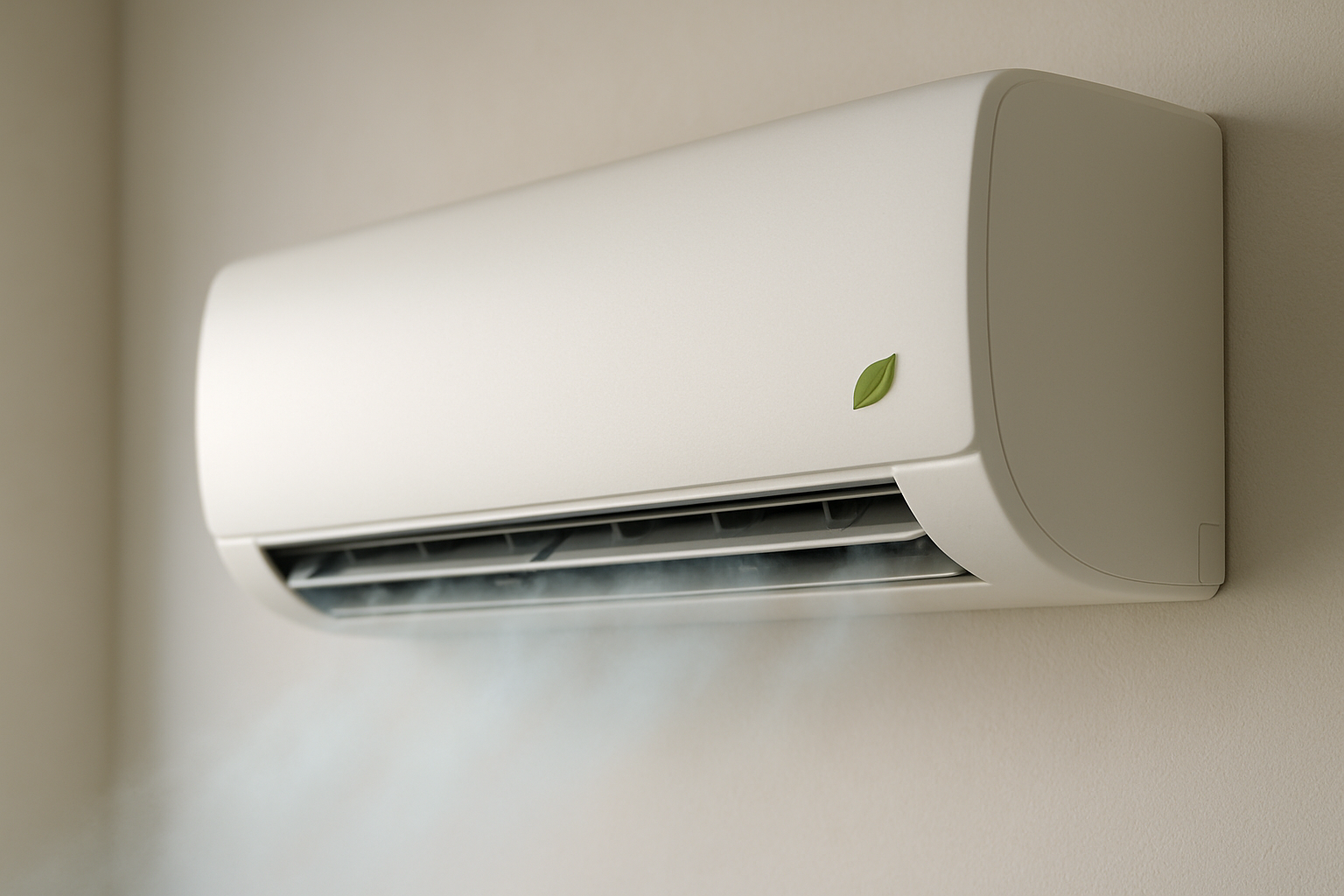
?Are you trying to find the most efficient air conditioner for your home and wondering where to begin?

Choosing the most efficient air conditioner for your home
You want an air conditioner that keeps your living space comfortable while minimizing energy costs and environmental impact. This guide will walk you through the key factors that determine efficiency, the different types of systems available, how to size and maintain your AC, and practical tips to make your choice confidently.
Why efficiency matters
Energy-efficient air conditioners reduce your monthly utility bills and lower your carbon footprint. You’ll also enjoy better comfort control and often a longer-lasting system when you choose efficiency over short-term savings.
How AC efficiency is measured
Understanding efficiency metrics helps you compare models fairly. The most common ratings you’ll encounter are SEER, EER, and HSPF.
SEER (Seasonal Energy Efficiency Ratio)
SEER measures cooling efficiency over a typical cooling season. The higher the SEER number, the more efficient the system is. If you live in a climate with long cooling periods, prioritize higher SEER ratings.
EER (Energy Efficiency Ratio)
EER is measured at a single, high-heat operating point and is useful if you live in consistently hot climates. EER is often displayed for window units and certain heat pumps.
HSPF (Heating Seasonal Performance Factor)
HSPF applies to heat pumps and measures heating efficiency across a season. If you plan to use your system for both heating and cooling, check the HSPF as well as the SEER.
How to use these numbers
These metrics let you balance purchase price against operating cost. A higher SEER or EER usually costs more upfront but saves you money over time through lower electricity consumption.
Types of air conditioners and efficiency considerations
Different AC types offer different efficiency profiles, installation costs, and suitability for various home layouts. You’ll want to choose the right type based on your home size, whether you have ductwork, and your budget.
Central air conditioners (split systems)
Central air is efficient for whole-home cooling when you already have ductwork. Modern systems with high SEER ratings and variable-speed compressors offer excellent efficiency and comfort.
Ductless mini-split systems
Mini-splits are highly efficient because they avoid duct losses and provide zone control. You can cool individual rooms or zones independently, which reduces energy use in unoccupied areas.
Window air conditioners
Window units are affordable and suitable for single rooms. High-efficiency window units with good EER ratings can be cost-effective for limited needs, but they aren’t ideal for whole-home cooling.
Portable air conditioners
Portable units are convenient and require no permanent installation, but they’re generally less efficient than other options. You’ll pay more per cooling capacity and may have higher noise levels.
Packaged terminal air conditioners (PTACs)
PTACs are common in hotels and some apartment buildings. They can be efficient in certain commercial or multi-family contexts but are less common for single-family homes.
Heat pumps (air-source and geothermal)
Air-source heat pumps can be very efficient for both heating and cooling, especially in moderate climates. Geothermal heat pumps offer the highest efficiency but come with high installation costs and site-specific requirements.

Comparing features that affect efficiency
You’ll want to evaluate features that influence both immediate efficiency and long-term performance.
Inverter technology (variable-speed compressors)
Inverter-driven compressors adjust speed to meet demand, reducing start-stop cycles and saving energy. This technology improves comfort and reduces wear on the system.
Variable-speed fans and blowers
Variable-speed components allow more precise control and lower power consumption at partial loads. You’ll get quieter operation and better humidity control.
Multi-stage compressors
Multi-stage compressors provide better efficiency than single-stage units because they can run at partial capacity when full power isn’t required. This reduces cycling losses.
Smart thermostats and controls
Smart thermostats optimize runtime based on schedules, occupancy, and weather forecasts. You can reduce wasted cooling when you’re away and better manage loads during peak tariff periods.
Zoned systems
Zoning lets you cool only the rooms you use. With dampers in ductwork or separate mini-splits for zones, you can avoid cooling unused spaces and lower energy consumption.
Sizing your air conditioner correctly
Correct sizing is crucial: an oversized unit will cycle frequently and waste energy, while an undersized unit won’t keep your home comfortable.
How to estimate cooling capacity (BTU)
Cooling capacity is measured in BTUs per hour. As a rough rule, you might start with 20 BTU per square foot for a typical room. However, precise sizing requires a Manual J load calculation that accounts for insulation, windows, orientation, occupancy, and local climate.
Manual J and professional load calculations
A professional Manual J calculation determines accurate heating and cooling loads for each room. You’ll avoid poor performance and unnecessary energy costs by using a properly sized system.
Example sizing guideline table
This table gives a simplified starting point, but it’s no substitute for a professional calculation.
| Room size (sq ft) | Approx. BTU required |
|---|---|
| 100 | 2,000 |
| 200 | 4,000 |
| 300 | 6,000 |
| 400 | 8,000 |
| 500 | 10,000 |
| 1,000 | 20,000 |
Ductwork considerations
If you have ducted central air, the condition of your ductwork significantly affects efficiency. Leaks, poor insulation, and improper design can cut system efficiency by 20–30%.
Sealing and insulating ducts
Sealing ducts with mastic or metal tape and adding insulation for ducts in unconditioned spaces will improve delivery efficiency and comfort.
Duct design and size
Proper duct sizing and layout are essential for airflow balance. Too-small ducts restrict airflow and reduce efficiency; too-large ducts increase installation cost and can create airflow issues.
Refrigerants and environmental impact
Modern refrigerants are designed to be more environmentally friendly than older ones, but their global warming potential (GWP) matters.
Common refrigerants today
You’ll encounter R-410A, R-32, and emerging low-GWP refrigerants. R-32 has lower GWP than R-410A and is becoming more common. Manufacturers are shifting toward refrigerants with smaller climate impact.
Choosing low-GWP options
If environmental impact is important to you, look for systems using low-GWP refrigerants and check for compliance with local regulations and future phase-outs.
Noise levels and comfort
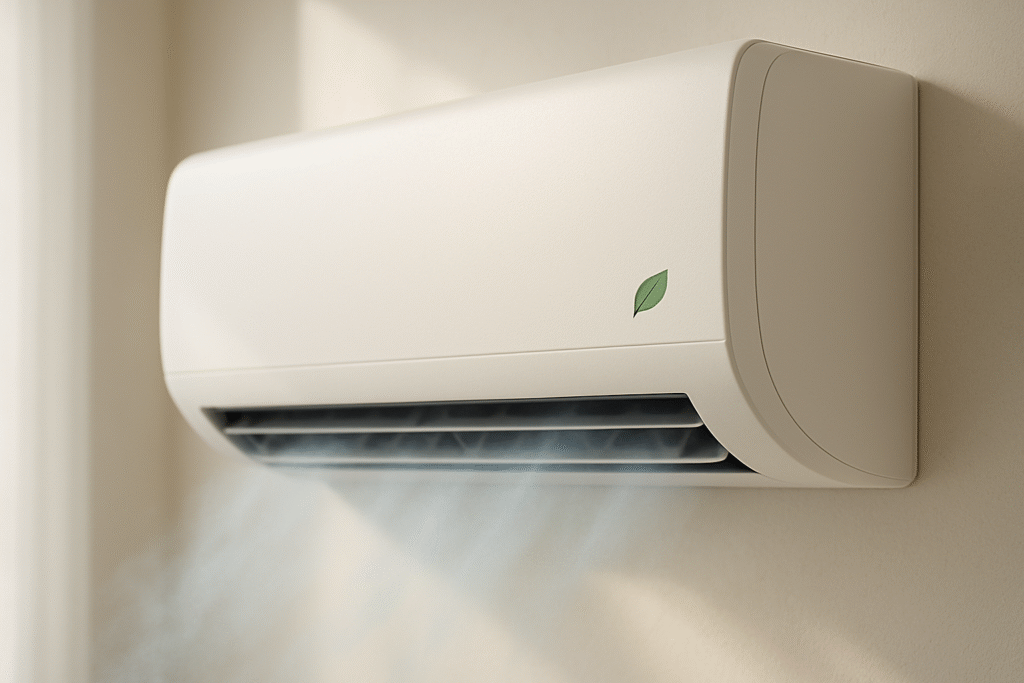
Noise can affect your perception of efficiency and comfort even if the unit reduces energy costs. Variable-speed systems tend to be quieter, and well-mounted outdoor units reduce vibration.
Indoor and outdoor noise ratings
Manufacturers list decibel levels for indoor air handlers and outdoor condensing units. Compare these numbers if quiet operation matters for bedrooms or living rooms.
Installation practices to reduce noise
Proper mounting, rubber isolation pads, and strategic placement of outdoor units away from windows and outdoor living spaces help minimize noise impact.
Upfront cost vs. lifecycle cost
You’ll face a trade-off between initial purchase price and long-term operating costs. Investing more upfront in a high-efficiency unit often pays off through lower energy bills and potential rebates.
Calculating payback period
Estimate annual energy savings by comparing estimated usage with different SEER ratings. Payback period = (Price difference) / (Annual savings). Factor in maintenance and potential repair costs over time.
Example cost comparison table
This simplified example illustrates how higher efficiency can pay off over time. Actual numbers will vary by local energy rates and climate.
| Feature | Low-efficiency unit (SEER 13) | High-efficiency unit (SEER 20) |
|---|---|---|
| Upfront cost | $3,500 | $5,000 |
| Annual energy cost (est.) | $1,500 | $975 |
| Annual savings | — | $525 |
| Payback period (yrs) | — | ~2.9 |
Rebates, incentives, and tax credits
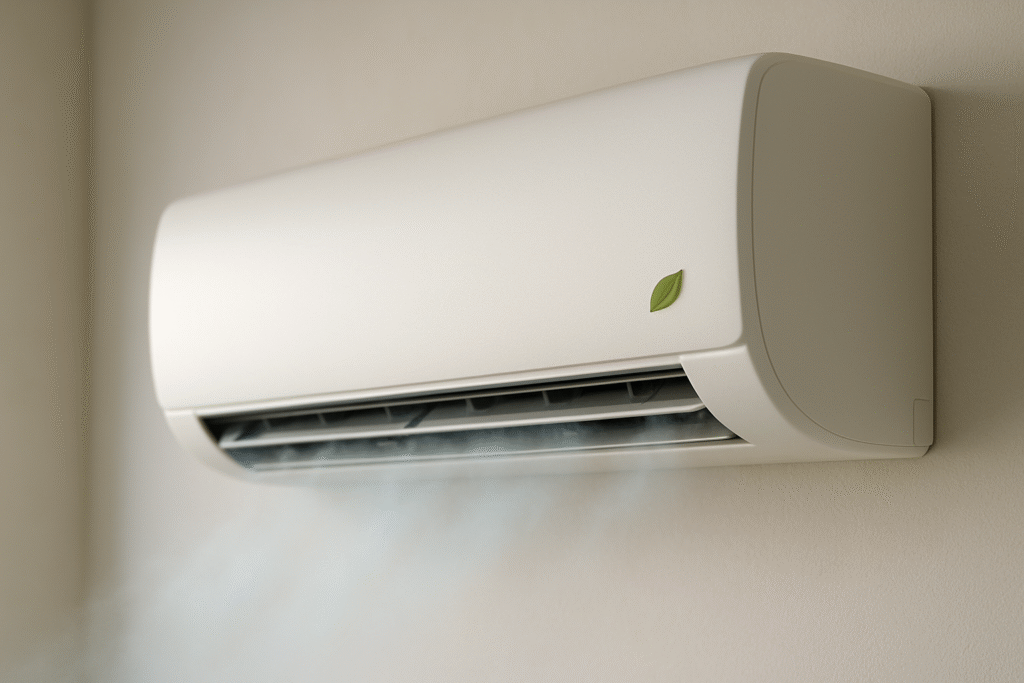
Utilities and governments often offer incentives for installing high-efficiency systems. These rebates can substantially reduce your upfront cost.
How to find incentives
Check your local utility website, state energy office, and federal programs for available rebates. Contractors often help you apply for incentives during the purchase process.
Energy Star and local programs
Energy Star certified units meet guidelines for energy efficiency and frequently qualify for rebates. Look for additional state or local programs that stack with federal incentives.
Installation quality matters
No matter how efficient the system, poor installation will undermine performance. You’ll want certified, experienced contractors who follow best practices.
What to expect from a good installer
A reputable installer will perform a load calculation, size components correctly, ensure refrigerant charge and airflow are correct, and test the system after installation. They’ll also explain maintenance needs and warranty coverage.
Red flags with installers
Be wary of contractors that give quick estimates without inspection, pressure you to buy immediately, or refuse to provide references and licensing information.
Maintenance to preserve efficiency
Regular maintenance keeps your system running at peak efficiency. Neglected systems lose efficiency and are more likely to fail when you need them most.
Routine maintenance checklist
- Replace or clean air filters every 1–3 months.
- Clear debris around the outdoor unit.
- Inspect coils and fins; clean if dirty.
- Check ductwork for leaks and insulation.
- Schedule annual professional tune-ups.
Seasonal tasks
Before summer starts, ensure your cooling system is inspected, refrigerant levels are correct, and electrical connections are secure. In fall, switch or program your thermostat and inspect heating mode if you use a heat pump.
Air filtration and indoor air quality
Efficient cooling and good indoor air quality go hand in hand. Your filter choice affects both energy use and air cleanliness.
Filter types and MERV ratings
Higher MERV filters trap smaller particles but can restrict airflow if your system isn’t designed for them. Check your system’s recommended filter rating and balance filtration with airflow requirements.
Adding air purifiers and ventilation
Consider supplemental air purification or balanced ventilation if you suffer from allergies or have tightly sealed homes that trap pollutants. Heat-recovery ventilators (HRVs) and energy-recovery ventilators (ERVs) provide fresh air with minimal energy penalty.
Smart usage and thermostat strategies
How you operate your air conditioner can be as important as the unit you buy. Smart controls and behavioral changes reduce energy use.
Setpoint recommendations
Set your thermostat a few degrees higher when you’re away to save energy. Each degree can represent a noticeable change in energy consumption depending on your climate and system.
Using programmable and smart thermostats
Programmable thermostats automate setpoint changes based on schedules. Smart thermostats add geofencing, learning algorithms, and remote control to optimize efficiency further.
Choosing based on your home type
Your home’s layout, insulation, and existing infrastructure guide your best choice.
Single-room vs. whole-home solutions
For cooling one or two rooms, a high-efficiency window or mini-split might be best. For whole-home cooling in a house with ductwork, a high-SEER central system or ductless multi-split can be efficient.
Older homes without ducts
If your home lacks ducts, mini-splits avoid the cost and efficiency losses of retrofitting ducts. They also preserve historical or architectural features while providing modern comfort.
New construction and major renovations
When building or renovating, plan for efficient duct design, high-performance insulation, and appropriately sized systems. Integrating HVAC decisions into the design phase yields the best long-term efficiency.
Common myths about efficiency
You’ll encounter many misconceptions when shopping for AC. Here are some to keep in mind.
Myth: Bigger is always better
A bigger unit costs more and cycles frequently, leading to higher energy use and poor humidity control. Correct sizing is what matters.
Myth: The highest SEER is always worth it
Very high SEER units can be expensive and might not pay back in regions with short cooling seasons. Calculate expected savings for your climate and energy prices.
Myth: Window units are always inefficient
Some modern window units have good EER ratings and can be appropriate for small spaces or supplemental cooling.
Longevity and lifecycle considerations
Efficiency also relates to how long a unit lasts and how much service it will require over its life.
Typical lifespans
Central air systems typically last 15–20 years with proper maintenance; mini-splits and heat pumps can have similar or longer lifespans when cared for.
When to repair vs. replace
If a major component fails on an older, inefficient system, replacing it with a modern high-efficiency unit often makes more sense than repairing. Consider the age of the system, efficiency gains, and cost of the repair.
Practical checklist for choosing your AC
A concise checklist helps you make decisions without getting overwhelmed.
Purchasing checklist
- Have a Manual J load calculation done.
- Decide on type (central, mini-split, window, heat pump).
- Compare SEER, EER, and HSPF ratings.
- Look for inverter or variable-speed technology.
- Check refrigerant type and GWP.
- Get multiple detailed quotes with equipment and installation specifics.
- Verify installer credentials, references, and warranties.
- Investigate rebates and tax credits.
- Plan for regular maintenance.
Example product features to look for
These features generally indicate a good balance of efficiency and comfort.
Recommended feature set
- SEER 16+ (higher in hot climates)
- Inverter compressor
- Variable-speed fan
- Smart thermostat compatibility
- Low-GWP refrigerant
- Good warranty on compressor and parts
Final decision-making tips
You’ll balance comfort, cost, and environmental concerns when choosing the right air conditioner.
Weigh short-term vs. long-term costs
High-efficiency units cost more upfront but often provide the best value over time. Evaluate your budget and prioritize features that yield measurable savings or improved comfort.
Consider total home improvements
Upgrading insulation, sealing air leaks, and installing efficient windows can reduce cooling demand and allow you to choose a smaller, less costly unit.
Work with trusted professionals
A qualified HVAC contractor will guide you through calculations, options, and installation details. Their expertise ensures the system performs as efficiently as possible in your home.
Summary and next steps
You’ve learned the key factors that determine AC efficiency: correct sizing, advanced compressor and fan technologies, quality installation, and ongoing maintenance. To move forward, schedule a professional load calculation, request multiple quotes, and check local incentives to lower your upfront cost. With the right combination of equipment, installation, and usage habits, you’ll enjoy a comfortable home and lower energy bills for years to come.
If you’d like, you can provide your home’s square footage, ceiling height, climate zone, and whether you have existing ducts, and I can help you narrow down the best types and approximate sizes for your needs.