Are you trying to figure out exactly how much a Carrier mini split will cost you and which factors will influence the final price?
Carrier Mini Split Prices Explained for Smart Buyers
You’ll find clear information here to help you make a confident buying decision. This guide breaks down equipment costs, installation expenses, long‑term operating costs, incentives, and practical buying strategies so you can compare options and avoid surprises.
What is a Carrier mini split?
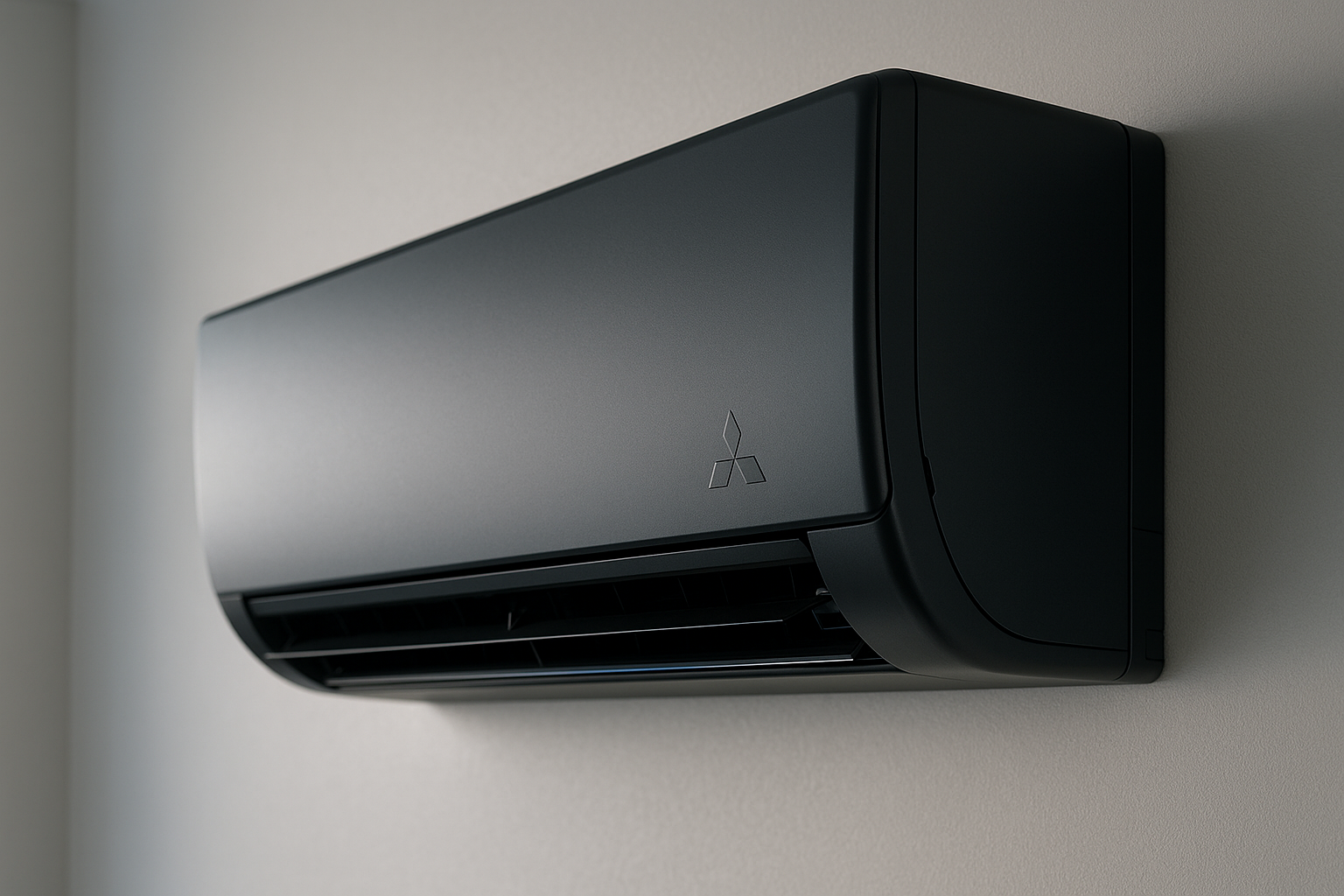
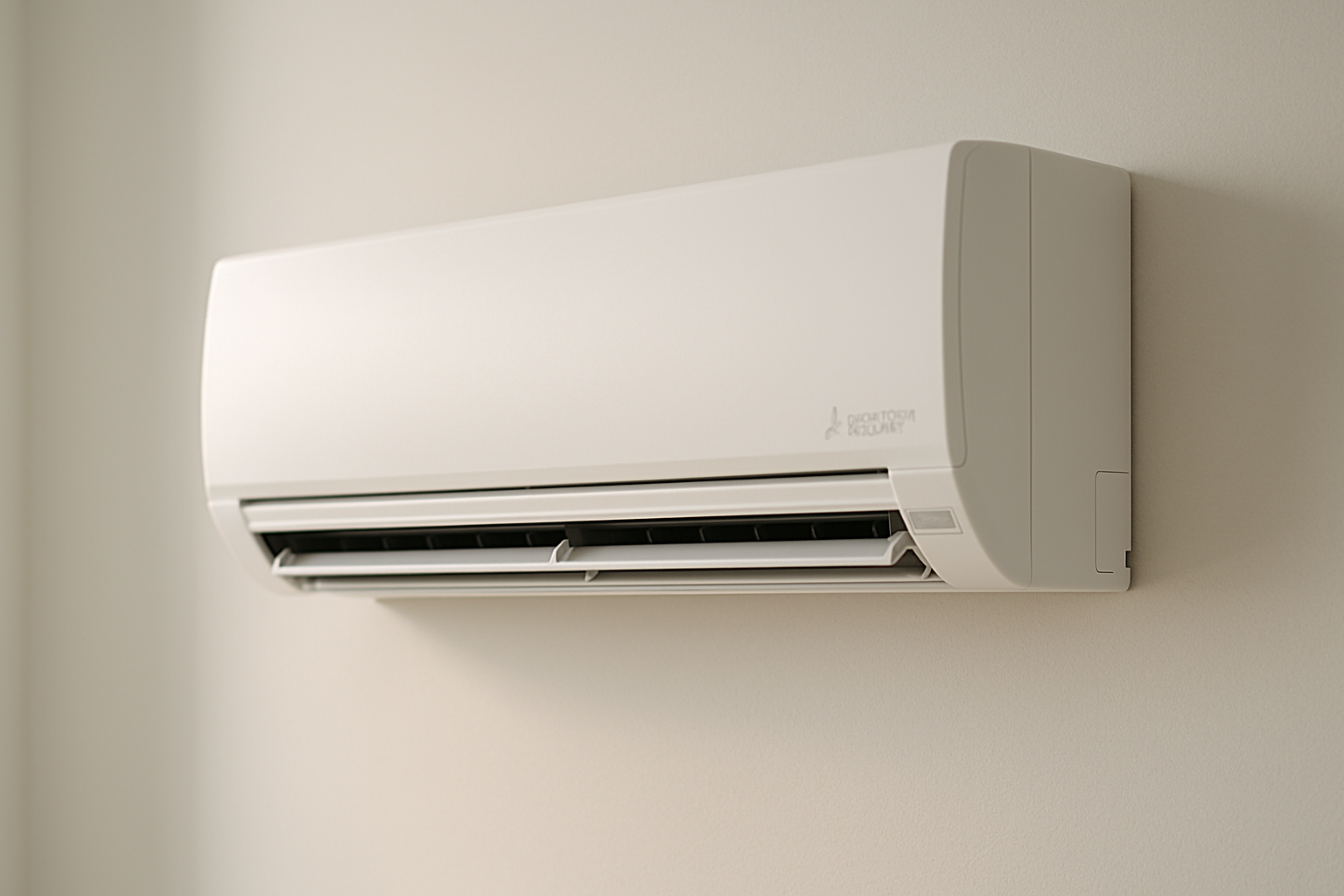
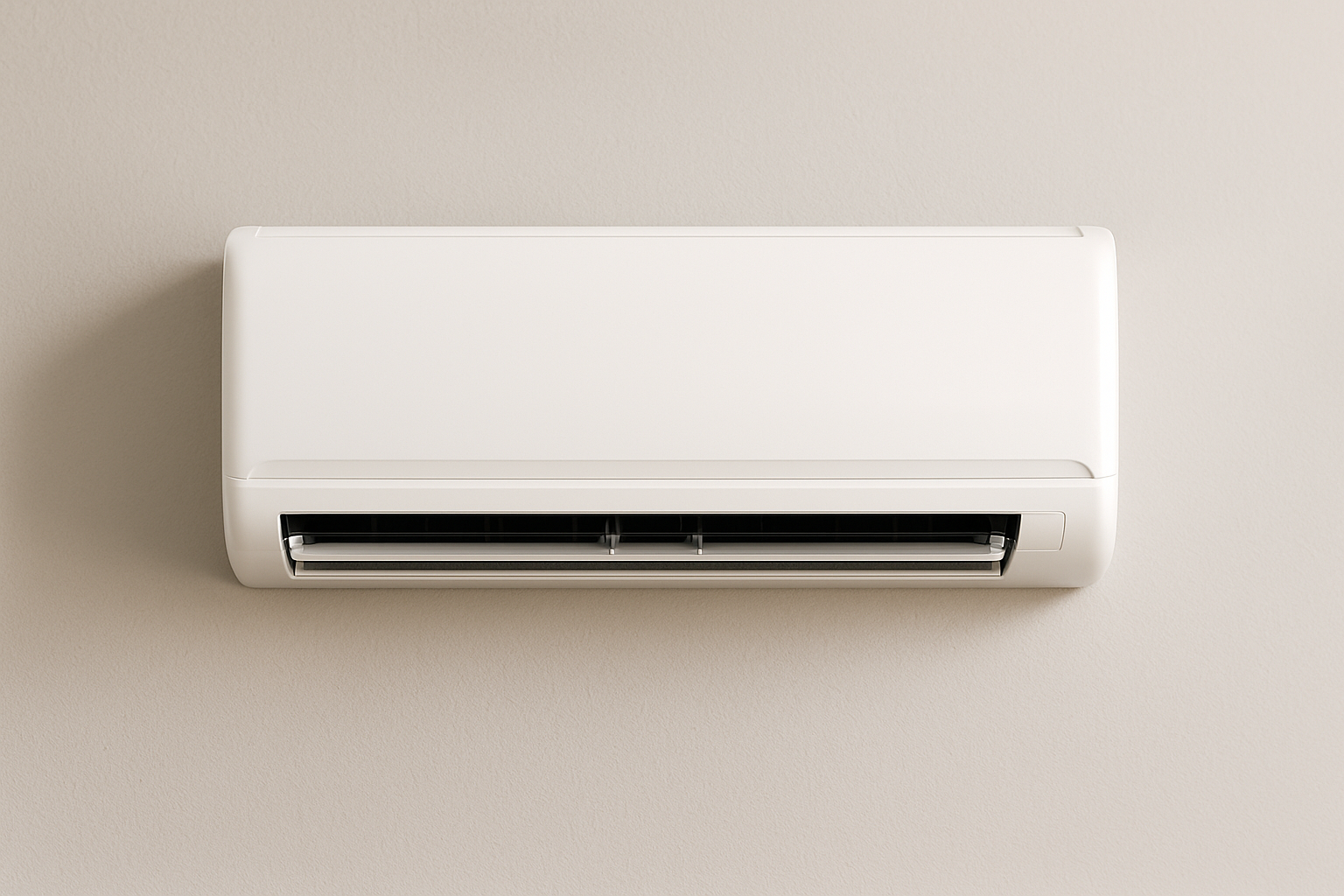
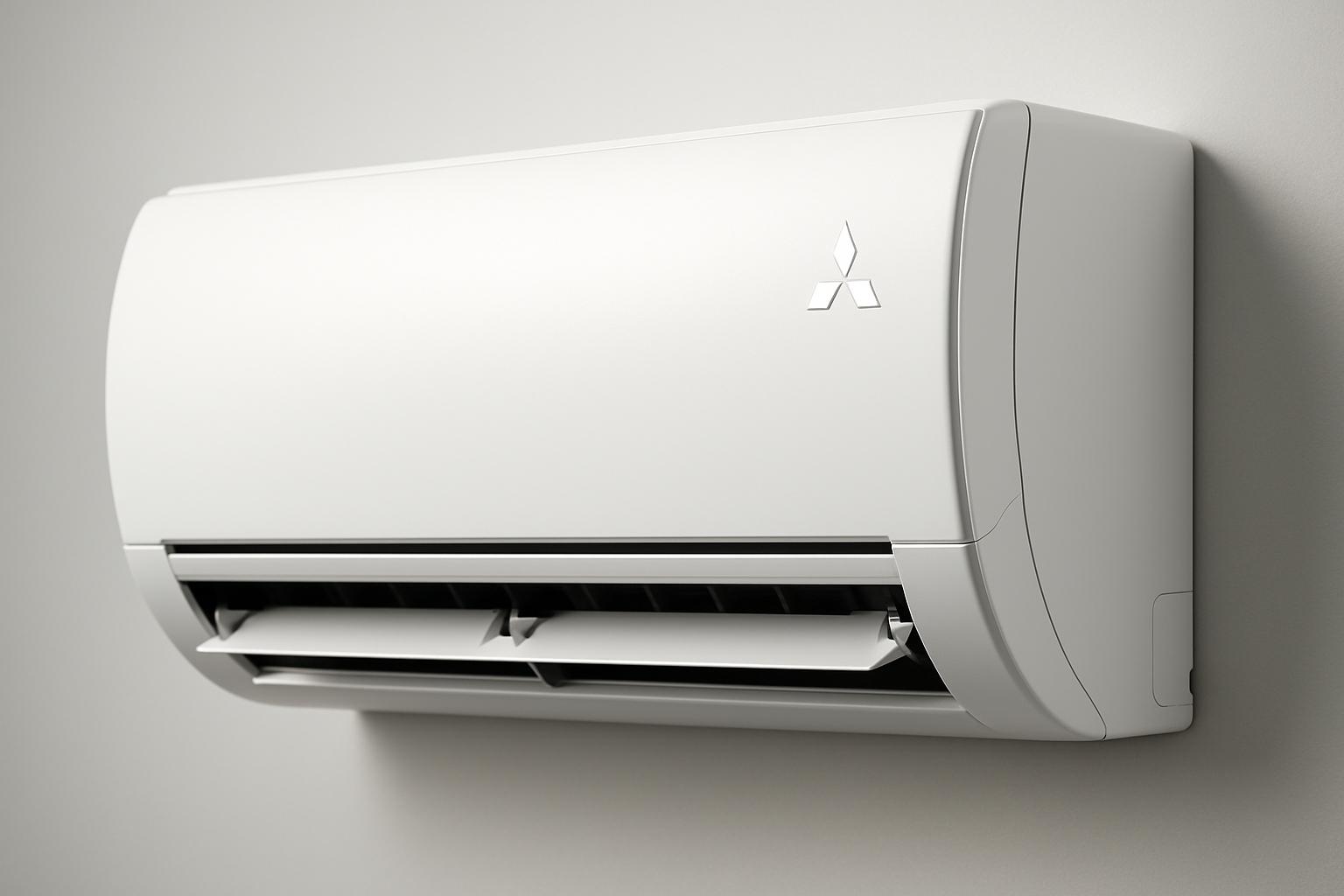
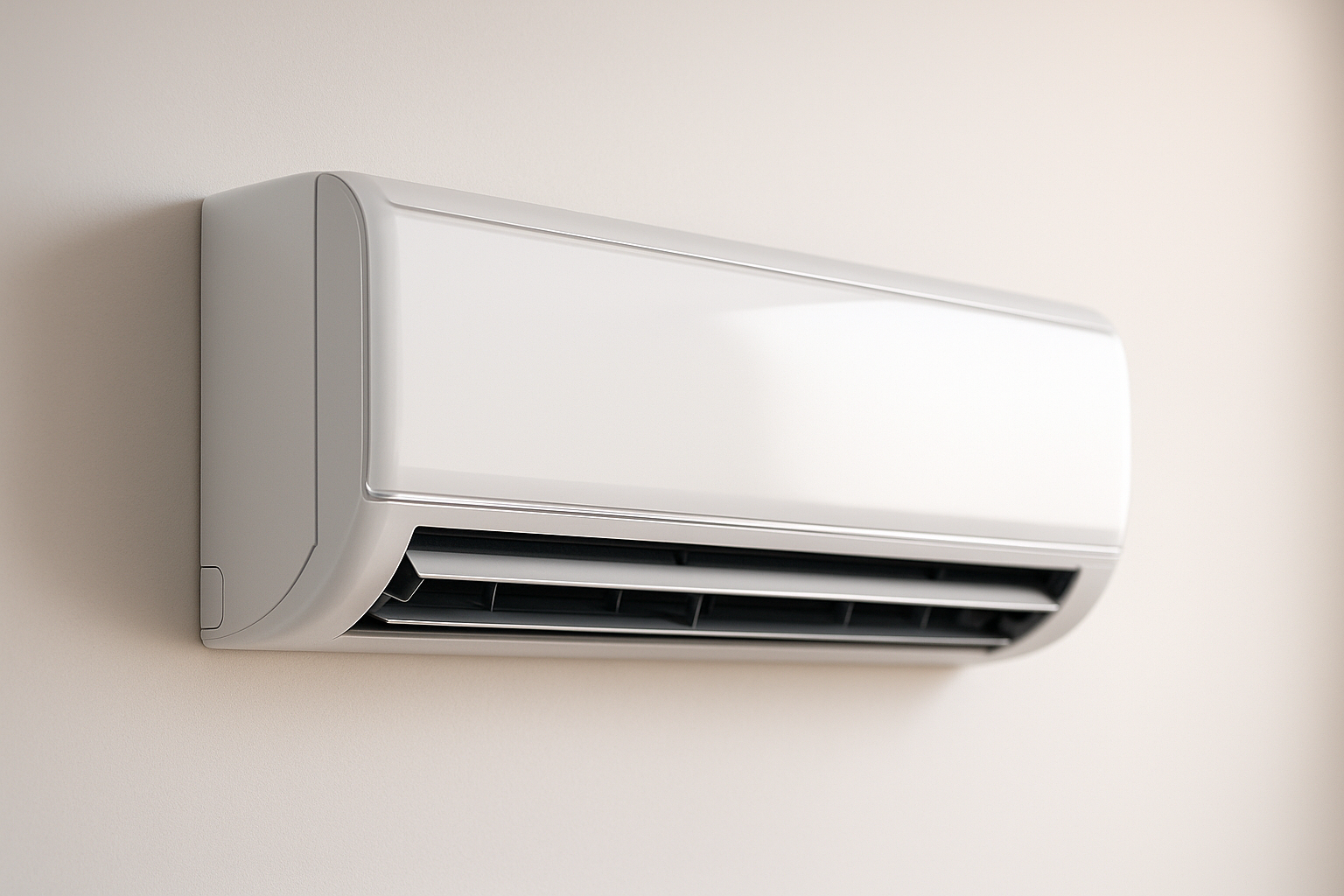
A Carrier mini split is a ductless heating and cooling system that consists of an outdoor compressor/condenser and one or more indoor air‑handling units. You’ll use it to condition individual rooms or zones without the need for ductwork, which can make it more efficient and flexible than traditional central systems.
How mini splits work
A mini split transfers heat between the indoor space and the outdoors using refrigerant lines rather than ducts. You’ll benefit from zoned temperature control because each indoor unit has its own thermostat and can operate independently from the rest of the system.
Why choose a Carrier mini split?
Carrier is a well‑known HVAC brand with a long history of manufacturing residential and commercial systems. If you choose Carrier, you’ll typically get reliable components, multiple model options for different needs, and access to local dealers and certified installers.
Types of Carrier mini split systems
Carrier offers several configurations including single‑zone and multi‑zone systems, as well as different indoor unit styles like wall‑mounted, ceiling cassette, and floor‑mounted. You’ll want to pick the type that matches your room layout, aesthetic preferences, and heating/cooling needs.
Single‑zone vs multi‑zone systems
Single‑zone systems have one indoor unit connected to one outdoor compressor, which is ideal for one room or small open areas. Multi‑zone systems let you connect multiple indoor units (often 2–8) to a single outdoor unit so you can condition several rooms or zones independently.
Indoor head styles
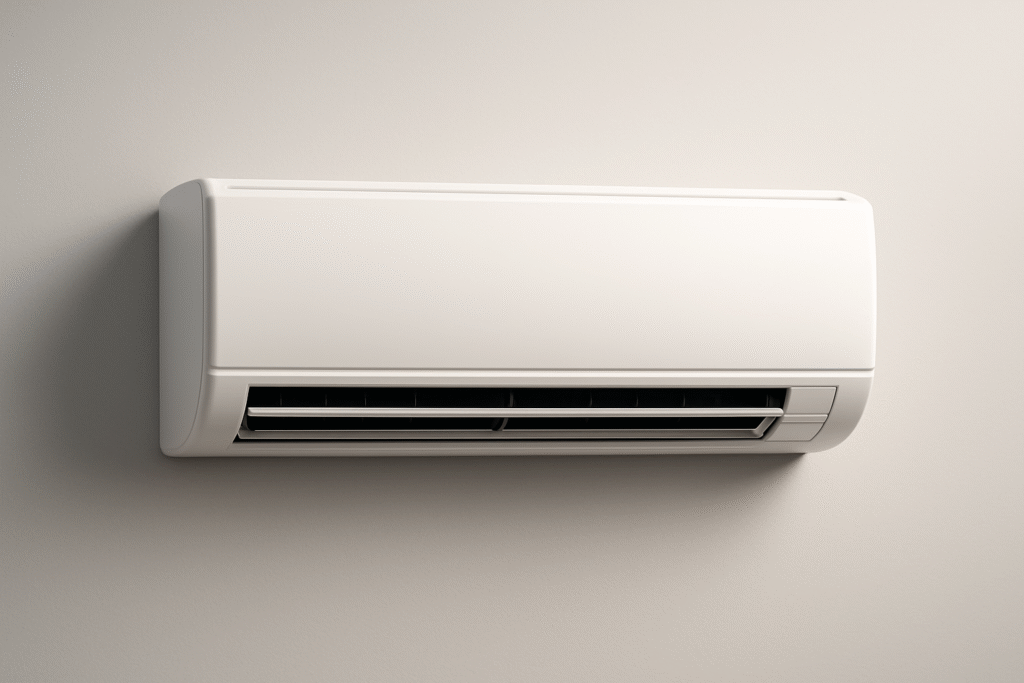
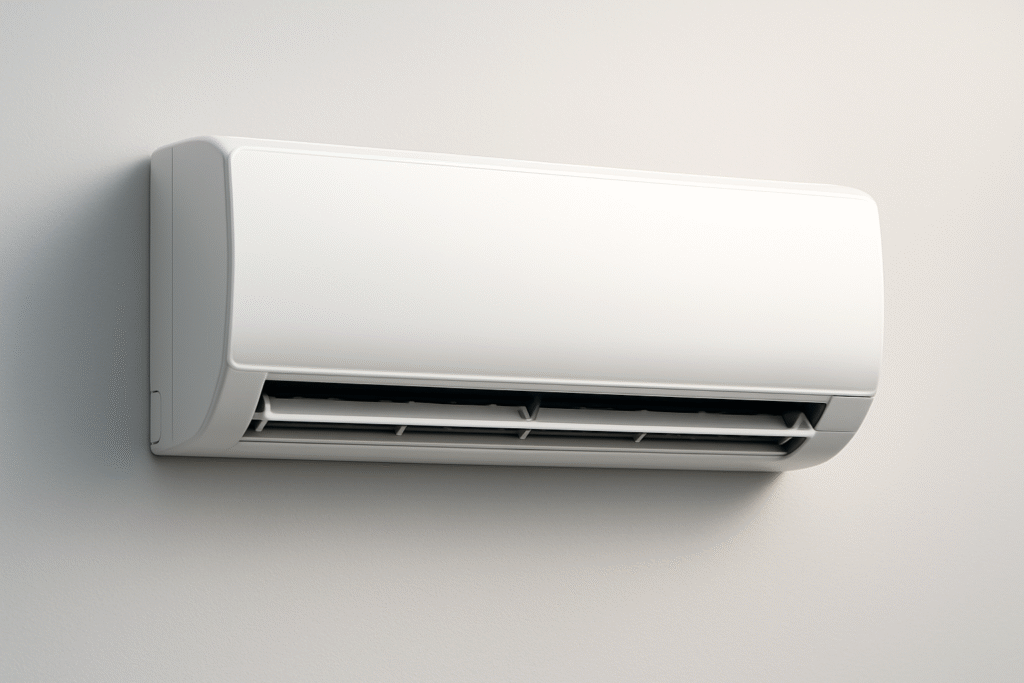
Wall‑mounted heads are the most common and are easy to install on most interior walls. Ceiling cassettes and floor‑mounted units offer alternative placement for aesthetics or space constraints, but often cost more to install.

Key components and what they cost
Understanding the main components and their individual costs helps you spot where money is being spent. You’ll see that the total price includes equipment, labor, materials, and sometimes soft costs like permits and design.
Main equipment items
The core pieces are the outdoor compressor/condenser, indoor air handlers (heads), a line set (refrigerant piping), and a control interface (remote or wired thermostat). Each of these components contributes to the final price in different proportions.
Installation materials and labor
You will pay for conduit, electrical work, condensate piping, mounting brackets, and potentially drywall or trim repairs. Labor rates vary widely by region and installer skill, and complex installs automatically increase hours and costs.
Permits and inspections
Most jurisdictions require a permit and sometimes an inspection for HVAC work, especially when new electrical circuits or structural penetrations are involved. You’ll need to factor permit fees and any related inspection costs into your budget.
Carrier mini split price ranges (equipment and installation)
This table shows typical price ranges you’ll encounter for common Carrier mini split configurations. Use these as ballpark estimates; your actual cost will depend on local labor rates and job specifics.
| System Type | Typical Equipment Cost (Carrier only) | Typical Installation Cost | Typical Total Installed Cost |
|---|---|---|---|
| Single‑zone 9,000–12,000 BTU | $700–$1,600 | $800–$2,000 | $1,500–$3,600 |
| Single‑zone 18,000–24,000 BTU | $1,200–$2,400 | $1,000–$2,500 | $2,200–$4,900 |
| Multi‑zone (2–3 zones) | $2,000–$4,500 | $1,800–$4,000 | $3,800–$8,500 |
| Multi‑zone (4–6 zones) | $4,000–$9,000 | $3,000–$7,000 | $7,000–$16,000 |
| High‑end multi‑zone (7–8 zones) | $6,500–$12,000+ | $4,000–$10,000+ | $10,500–$22,000+ |
You’ll notice that the equipment cost scales with BTU capacity, the number of indoor units, and model features like inverter technology and higher SEER ratings.

How capacity and BTU affect price
Capacity is measured in BTUs (or tons) and determines how much space can be heated or cooled. You’ll pay more for larger capacity systems because they require bigger compressors and more robust indoor units.
Why proper sizing matters
Oversizing causes short cycling, reduced efficiency, and greater wear, while undersizing can’t meet comfort demands and will run constantly. Proper sizing requires a load calculation (Manual J) so you’ll want a qualified installer to perform one rather than guessing based on square footage alone.
SEER, HSPF, and efficiency ratings: price vs operating cost
Higher SEER (cooling) and HSPF (heating for heat pumps) ratings typically mean higher upfront equipment costs but lower monthly energy bills. You’ll need to weigh increased purchase price against anticipated electricity savings over the system’s life to determine the best economic choice.
Examples of efficiency tradeoffs
Choosing a high‑SEER Carrier model can add a few hundred to a couple thousand dollars to equipment cost but can reduce energy bills by a noticeable percentage depending on usage and local electricity prices. If you plan to live in the home for many years or expect heavy usage, higher efficiency often pays back over time.

Detailed cost breakdown: parts of a typical job
Below is a sample breakdown of what your dollars cover in a standard installed Carrier single‑zone mini split. Use this to understand how equipment and labor split the total price.
| Cost Item | Percentage of Total | Example (single‑zone total $3,000) |
|---|---|---|
| Outdoor unit (compressor/condenser) | 30% | $900 |
| Indoor unit (head) | 20% | $600 |
| Line set and materials | 10% | $300 |
| Electrical work (breaker, wiring) | 10% | $300 |
| Labor (installation) | 20% | $600 |
| Permits, testing, cleanup | 5% | $150 |
| Miscellaneous / contractor margin | 5% | $150 |
You’ll want to ask the installer for a line‑item quote so you can compare similar scopes from multiple companies rather than comparing apples to oranges.
Installation complexity and its influence on price
Installation difficulty is one of the biggest unknowns that affects cost. You’ll pay more when installers must run long line sets, cut through masonry, navigate restricted access, or modify electrical panels.
Retrofit vs new construction
If you’re adding a mini split to an existing space, expect extra labor costs for wall penetrations, patching, and sometimes repositioning furniture and appliances. New construction typically costs less per zone because installers can plan routing and access before finishes are installed.
Geographic and local market factors
Labor rates, local code requirements, and permit fees vary regionally, and you’ll see price differences from city to city. Urban areas with higher labor costs often show higher installed prices, while rural locations might have fewer qualified installers and higher travel fees.
Seasonal demand and timing
Prices can fluctuate seasonally—many installers charge more in peak seasons or fill schedules weeks in advance. You’ll often get better pricing and faster scheduling in shoulder seasons (spring, fall) when demand is lower.
Rebates, tax credits, and incentives
You should always check federal, state, and local incentives before buying because many programs reduce your out‑of‑pocket cost. Incentives can include rebates, point‑of‑sale discounts, or tax credits for high‑efficiency heat pump systems.
How to find current incentives
Start with the Database of State Incentives for Renewables & Efficiency (DSIRE) or your local utility website to find up‑to‑date offers. You’ll also want to ask the installer whether they handle rebate paperwork or require you to apply after purchase.
Warranty and reliability considerations
Carrier and its dealer network offer warranties that cover parts and sometimes labor for a limited period. You should read warranty details carefully, register your product when required, and confirm whether the installer’s labor is covered and for how long.
What warranty items you should check
Look at compressor warranties, parts warranties, and any extended or homeowner‑purchased plans. You’ll also want to confirm the warranty conditions—some warranties require professional installation and annual maintenance to remain valid.
Maintenance and operating costs over time
Routine maintenance keeps your system efficient and extends its life; you’ll be paying for filter replacements, periodic coil cleaning, and occasional professional checkups. Regular service visits typically pay off in reduced energy bills and fewer major repairs.
Expected lifespan and replacement planning
Mini split systems commonly last 10–20 years depending on usage, maintenance, and environmental conditions. You’ll want to plan for replacement costs 10–15 years out, and consider setting aside funds for major component replacement like compressors.
Comparing Carrier with other mini split brands
Carrier competes with brands like Mitsubishi, Fujitsu, Daikin, and LG. You’ll find that differences often come down to price, dealer network, proprietary features, and model availability.
Carrier vs Mitsubishi and Fujitsu
Mitsubishi and Fujitsu have long reputations specifically for ductless systems and may command higher prices for premium models. Carrier often offers a balance of competitive pricing, known brand reputation, and broad local dealer support.
Carrier vs Daikin and LG
Daikin manufactures many reliable systems and owns some other brands, often matching or exceeding Carrier on efficiency in certain lines. LG frequently focuses on innovative features and design; you’ll want to compare features, warranties, and installer familiarity when choosing between these brands.
Smart buying tips to get the best price and results
You’ll save money and get a better outcome if you approach this purchase strategically. Below are practical tips that buyers who understand mini split pricing commonly use.
Get at least three written quotes
When you collect quotes, ensure each covers the same scope of work including equipment model numbers and a line‑item breakdown. You’ll be able to compare apples to apples and spot unusually low or high prices.
Confirm installer credentials
Ask whether the installer is licensed, insured, and certified to work on mini splits and refrigerant. You’ll also want references or online reviews to confirm quality work and after‑sales service.
Require a Manual J load calculation
A proper load calculation ensures correct sizing and reduces the chance of performance issues. You’ll prevent oversizing and undersizing by insisting on this as part of the proposal.
Understand warranty and service responsibilities
Clarify what the manufacturer warranty covers and whether the installer provides a labor warranty. You’ll avoid surprises if you know up front who handles repairs and any associated charges.
Ask about long‑term operating cost estimates
Request estimated annual energy costs for each proposed system based on local energy prices and expected usage. You’ll better evaluate whether paying extra for higher efficiency pays off in your specific situation.
Negotiate but prioritize quality
You should feel comfortable negotiating price, but don’t compromise on installer experience or proper materials. Choosing the cheapest bidder could lead to improper installation, which is often more costly long term.
Common mistakes to avoid
Buyers often make a few predictable errors that result in poor performance or higher lifetime costs. You’ll reduce regret by knowing what to avoid.
Sizing the system by square footage alone
Size depends on insulation, window area, occupancy, and climate—not just square footage. You’ll get better comfort and efficiency by insisting on a load calculation.
Overlooking total installed cost
Some buyers focus only on equipment price and ignore installation, electrical upgrades, or permit costs. You’ll avoid sticker‑shock by asking for a full, detailed quote.
Neglecting warranty terms and registration
Failing to register equipment or follow required maintenance voids warranties. You’ll preserve coverage by registering promptly and keeping service records.
Sample scenarios and estimated totals
These scenarios give you practical examples of what you might expect to pay for common use cases. Use them to mentally map your own project and ask targeted questions of installers.
Small condo or studio (single zone, 9–12k BTU)
Equipment $900–$1,600; installation $800–$2,000; total $1,700–$3,600. You’ll often see lower costs for simple wall installations with easy outdoor access.
Medium living room or open plan (single zone, 18–24k BTU)
Equipment $1,200–$2,400; installation $1,000–$2,500; total $2,200–$4,900. You’ll want a model with strong heating capability if you live in a cold climate.
3‑bedroom house with 3 zones (multi‑zone system)
Equipment $2,500–$5,500; installation $2,000–$4,500; total $4,500–$10,000. You’ll save per zone compared to separate single‑zone systems, but the outdoor unit will be larger and pricier.
Whole‑house multi‑zone (5–6 heads)
Equipment $4,000–$9,000+; installation $3,000–$8,000+; total $7,000–$17,000+. You’ll approach the cost of a conventional ducted heat pump system for larger installations, so compare both options when planning a whole‑house solution.
Frequently asked questions (FAQs)
Below are answers to common concerns you’ll likely have as a buyer. Each answer is designed to be practical and actionable.
Will a Carrier mini split heat my home in very cold climates?
Many modern mini split heat pumps perform well in cold climates, with models rated to operate efficiently at low outdoor temperatures. You’ll want to confirm the specific Carrier model’s low‑ambient heating performance and consider a backup heat source in extremely cold regions.
How long does installation usually take?
A simple single‑zone installation with easy access can be completed in a few hours to a day. You’ll often see multi‑zone or complex retrofits take 1–3 days depending on routing complexity and finishes.
Do mini splits require refrigerant charging?
Installers typically ship systems precharged for a certain line‑set length; longer runs may require additional refrigerant and a precision vacuum and charge. You’ll want your installer to document the refrigerant charge and test the system for leaks and proper operation.
Can I install a mini split myself?
Technically possible for experienced HVAC technicians but not recommended for most homeowners because refrigerant handling requires certification and improper installation risks leaks and voids warranties. You’ll usually be better off hiring a licensed professional.
What are typical maintenance tasks and frequency?
You’ll change or clean filters every 1–3 months depending on use, and schedule professional inspections annually or biennially. You’ll also keep outdoor coils clear of debris and make sure condensate drains are functioning.
How do I get the best warranty service if something fails?
Keep purchase and installation records, register your product if required, and follow the maintenance schedule specified in the warranty. You’ll contact the installing dealer first for many warranty claims; if the dealer no longer exists, contact Carrier customer service.
Financing and payment options
Many installers and dealers offer financing plans that let you spread costs over months or years. You’ll want to compare interest rates and total repayment cost to determine whether financing makes sense for you.
When financing can be a good choice
Financing is useful if you need immediate system replacement and prefer not to deplete savings. You’ll want a plan with a low interest rate and terms that match your budget to avoid long‑term high interest costs.
How to evaluate installer proposals
Make sure each proposal includes model numbers, efficiency ratings, all materials, labor hours, permits, and a clear warranty statement. You’ll be better informed if the quote also explains any assumptions and includes a start and completion date.
Questions to ask installers
Ask whether they are factory‑authorized for Carrier, how many Carrier systems they’ve installed, whether they handle permits and rebates, and what the expected maintenance costs are. You’ll also ask for references and photos from similar installations they’ve completed.
When a Carrier mini split is the right choice
Choose a Carrier mini split when you want a reputable brand, multiple model options, and access to local dealer support. You’ll find them particularly suitable for room additions, retrofits without ducts, or zoned comfort applications where controlling each space separately matters.
When to consider alternatives
If you need the absolute highest efficiency available in ductless systems or have unique design constraints, compare Carrier to specialized brands like Mitsubishi or Daikin. You’ll also weigh the tradeoffs between ductless mini splits and central heat pump systems for whole‑house solutions.
Final thoughts to make a smart purchase
You’ll get the best value by combining careful planning, accurate load calculations, competent installers, and clear comparisons of total installed cost and long‑term operating expenses. Take your time collecting quotes, checking warranties, and confirming credentials so your Carrier mini split delivers comfort reliably for years.
If you’d like, you can share your home size, climate, and any pictures of the intended installation area and I’ll help you narrow down model choices and provide a rough estimate tailored to your situation.